





Glycemic index
Search for a food and compare its GI
Source: Glycemic Index database, University of Sydney (glycemicindex.com).
The glycemic index is a classification tool that measures the impact of a carbohydrate-containing food on blood sugar levels. Often cited in sports nutrition recommendations, it remains poorly understood and sometimes overrated.
This guide provides an overview of what the glycemic index actually measures, its limitations, and how to use it wisely as part of a balanced diet and a nutrition plan tailored to performance.
What is the glycemic index?
Definition and measurement of the glycemic index
The glycemic index (GI) ranks foods containing carbohydrates according to the rise in blood glucose levels they cause after ingestion.
Pure glucose serves as the reference food with an index of 100. Each food is given a value between 0 and 100, calculated from the area under the blood glucose curve over two hours, averaged across ten subjects tested on an empty stomach.
In practical terms, the higher the glycemic index of a food, the faster blood sugar levels rise after consumption. Highly processed foods, rich in rapidly digestible starch, generally have a high glycemic index.
Conversely, the presence of fiber, protein, or fat on the plate tends to slow down sugar absorption and reduce the overall glycemic response.
Glycemic index?
The two terms coexist in French and refer to the same thing, but their usage differs depending on the context.
“Glycemic index” is the most common term used in French medical and nutritional terminology. It is the term used by the French Cardiology Federation, in French scientific publications, and by most leading nutrition websites.
“Glycemic index” is a direct translation of the English term. It is frequently used in the world of bodybuilding and sports nutrition, particularly on blogs and by certain brands of dietary supplements.
Be careful not to confuse this with glycemic load.
How does the glycemic index work in the body?
When a high-index food is consumed, blood sugar levels rise rapidly. The pancreas responds by secreting large amounts of insulin to regulate blood glucose. This sudden rise in blood sugar, followed by a drop, can cause early hunger and a decrease in energy.
In contrast, foods with a low glycemic index cause a gradual and stable rise in blood sugar levels. Insulin is released more moderately, which promotes more sustained energy and limits fat storage, contributing to better long-term weight management.
The three categories of foods according to their index
The most common classification system divides foods into three groups based on their impact on blood sugar levels.
Low glycemic index foods (GI below 55)
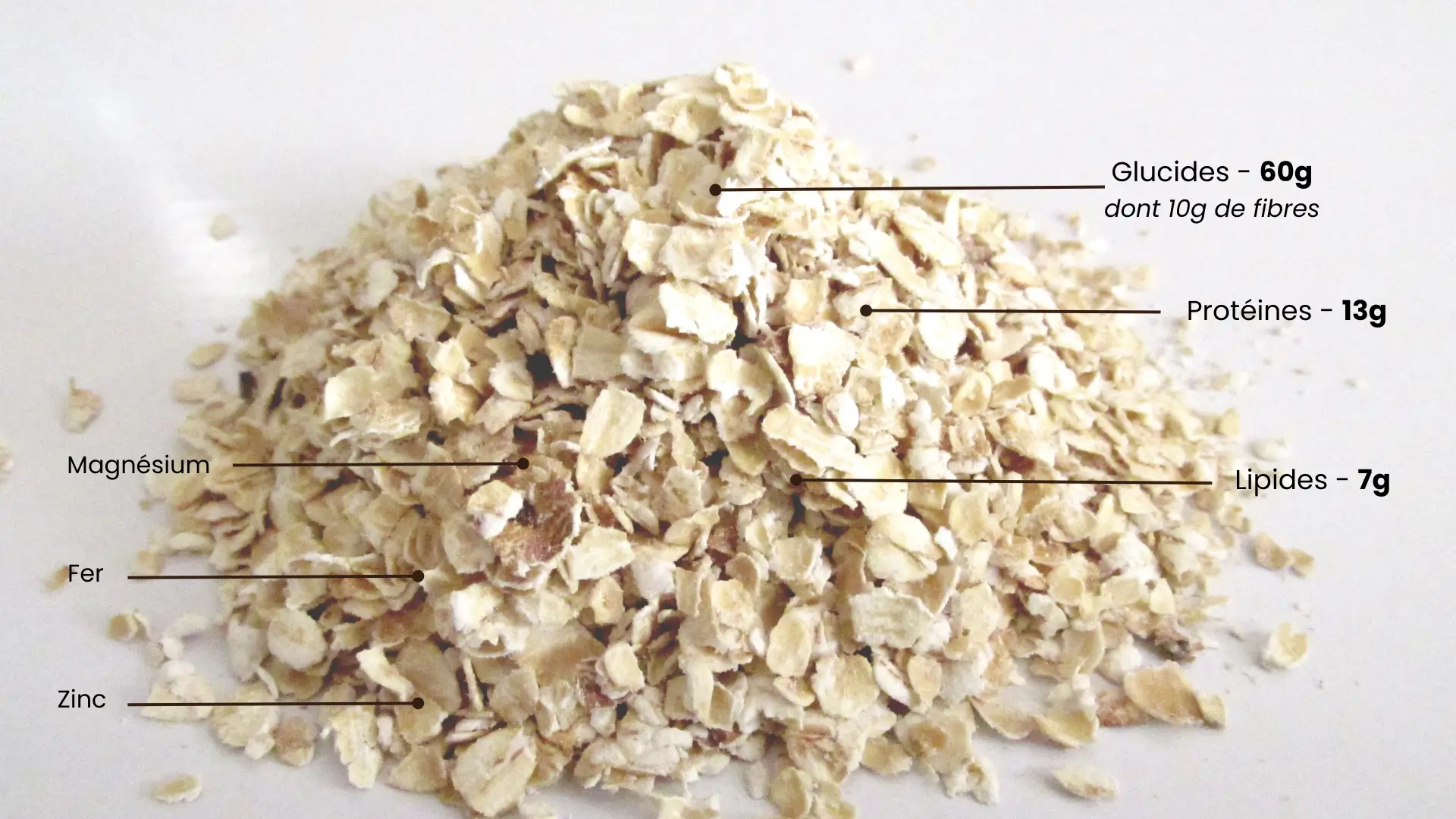
These foods cause a slow and gradual rise in blood glucose levels. They include most whole fruits (apples, pears, citrus fruits), green vegetables, legumes, whole grains (brown rice, oatmeal), and whole-grain bread made from minimally refined flour.
Sweet potatoes, often mentioned in sports nutrition, also fall into this category. These foods should be prioritized in your daily diet to maintain stable blood sugar levels and support healthy eating.

Foods with a moderate glycemic index (GI between 55 and 69)
This intermediate category includes foods such as basmati rice, pasta cooked al dente, ripe bananas, and certain dried fruits. Their impact on blood sugar levels remains moderate when consumed in reasonable portions and combined with other foods during a meal.

High glycemic index foods (GI greater than 70)
White bread, sandwich bread, baked potatoes, well-cooked white rice, and products containing added sugar are included in this group. Consuming them causes a rapid rise in blood sugar levels, followed by a sharp increase in insulin secretion.
These foods should not be banned, but their place in a balanced diet must be carefully considered, particularly in relation to the context (timing around exercise, quantity consumed, rest of the meal).
Glycemic index chart: common foods for athletes
| Feed | Glycemic index | Category |
|---|---|---|
| Apple | 36 | Bottom |
| Pasta al dente | 45 | Bottom |
| Whole grain rice | 50 | Bottom |
| Sweet potato (cooked) | 50 | Bottom |
| Basmati rice | 58 | Moderate |
| Ripe banana | 62 | Moderate |
| Wholemeal bread | 65 | Moderate |
| White rice | 73 | High |
| White bread | 75 | High |
| Baked potato | 78 | High |
| Pure glucose | 100 | Reference |
These values are indicative and vary depending on cooking, variety, ripeness of the product, and the context of the meal. They are a useful guide, not an absolute criterion.

Glycemic index and athletic performance
Timing of consumption according to the training phase
The use of the glycemic index makes perfect sense when considered in relation to nutritional timing around exercise.
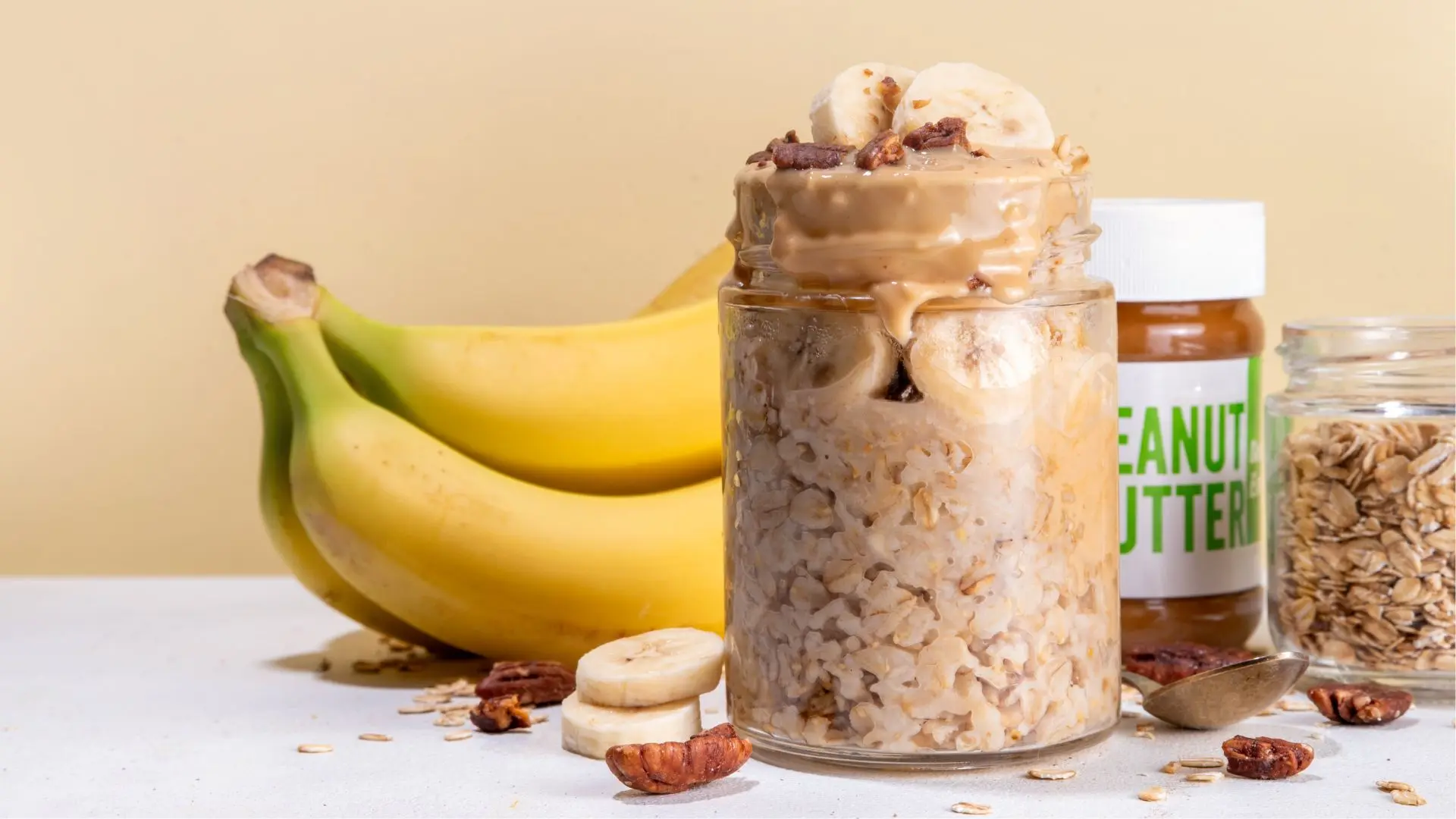
Before training, foods with a low glycemic index (oatmeal, whole wheat bread, whole fruit) provide gradual energy without insulin spikes, allowing you to maintain prolonged effort without a harmful drop in blood sugar.
During long endurance exercise, a moderate carbohydrate intake provides rapid replenishment without overloading the digestive system. After exercise, a higher glycemic index helps muscle glycogen resynthesis and recovery. This is when a rapid carbohydrate intake is most physiologically relevant.

Organic cassava maltodextrin
- Before exercise – Preparing for exercise
- No additives, no sweeteners, and made in France 🇫🇷
- 800 g – 20 servings
- Certified free of doping substances and gluten.
- Developed by pharmacists for athletes seeking performance.
Why protein changes the glycemic index of a meal
Adding protein to a meal slows down the absorption of carbohydrates in the intestine. This simple fact significantly alters the actual glycemic response compared to the theoretical index of the food consumed alone.
High-quality whey protein, with no additives or added sugars, combined with a low-index carbohydrate source, helps maintain stable blood sugar levels for longer.
This is one of the reasons why it makes more sense to think in terms of complete meals rather than individual foods when it comes to controlling blood sugar levels.
Whey made in France
- High in protein, no stimulants, no sucralose, gluten-free
- Contributes to muscle maintenance and growth
- Optimal recovery thanks to post-workout carbohydrates
- Cold-microfiltered whey isolate, without heat treatment
- Milk from Rhône-Alpes pastures, produced in Albertville
Factors that alter the glycemic index of a food
The glycemic index is not a fixed value. Several concrete factors cause the glycemic response of the same food to vary, sometimes significantly.
Cooking and preparation
Cooking is one of the most influential factors. The longer a starchy food is cooked, the higher its glycemic index becomes: gelatinized starch is digested more quickly.
Pasta cooked al dente has a significantly lower glycemic index than overcooked pasta. Similarly, a potato that has been boiled and then cooled (potato salad) has a lower index than a baked potato, due to the retrogradation of starch.
Glycemic load: quantity and quality
The glycemic index does not take into account the actual amount of carbohydrates consumed. This is where the glycemic load (GL) comes in, a complementary indicator that combines the quality (GI) and quantity of carbohydrates in a serving: GL = GI x grams of carbohydrates in the serving / 100.
Two foods may have the same glycemic index but, depending on the serving size and carbohydrate density, result in very different glycemic loads and therefore distinct metabolic effects.
For example, watermelon has a high GI (around 72), but its glycemic load for a typical serving remains low because it contains few carbohydrates relative to its weight.
Several health organizations consider glycemic load to be a more relevant indicator than the index alone for measuring the actual influence on blood sugar levels and the resulting impacts.
Role of fiber, lipids, and proteins
Fiber slows down the passage of sugar into the bloodstream by forming a gel in the digestive tract. A whole food, consumed with its natural fiber, has a lower glycemic index than its refined version.
Lipids and proteins added to meals produce a similar moderating effect. In practice, a serving of brown rice accompanied by vegetables, olive oil, and a source of protein will have a very different impact on blood sugar levels than the same rice eaten alone.
This is why GI values, obtained in the laboratory for foods consumed in isolation and on an empty stomach, only imperfectly reflect the reality of a mixed meal.
How can you check the actual glycemic index of your dietary supplements?
Read a label to identify the glycemic impact
Reading the nutrition label allows you to quickly identify the total amount of carbohydrates and the proportion of added sugars.
The higher the proportion of simple sugars (glucose, fructose, sucrose) relative to total carbohydrates, the greater the risk that the product will cause a spike in blood sugar levels.
A protein with no added sugars keeps the meal's glycemic index low, unlike formulations loaded with dextrose, which have a high glycemic index.
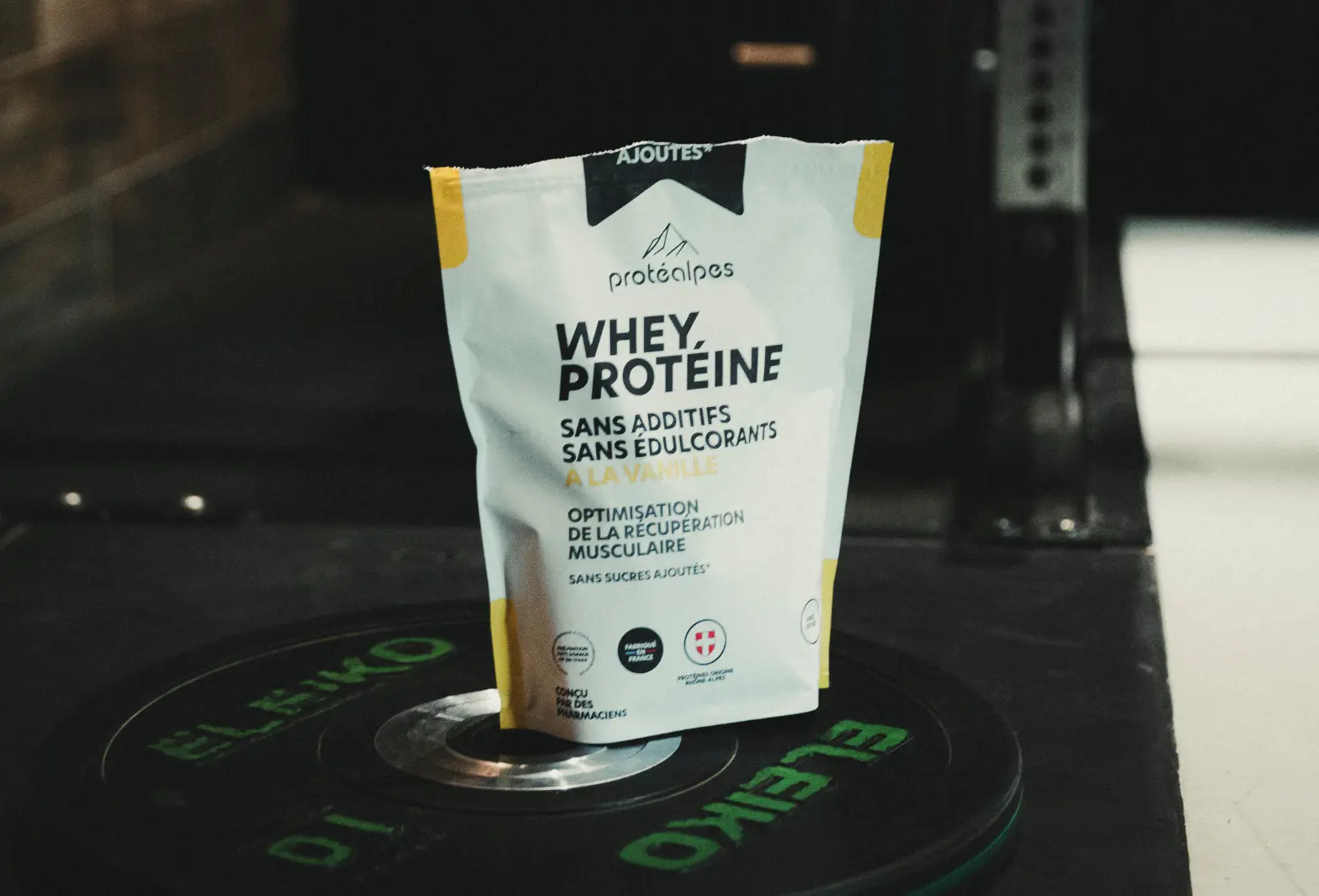
High-quality sugar-free proteins
- Cold microfiltration
- Optimal digestibility
- Unsweetened flavor
- Without performance-enhancing substances
- Gluten-free
Transparency of formulation
Like Protéalpes, brands that manufacture in-house and control every ingredient are able to guarantee consistency in composition and therefore predictability in the glycemic impact of their products.
Pharmaceutical controls provide additional assurance regarding the quality and compliance of the actual contents with the label.
Choosing supplements with a short, clear, and verifiable list of ingredients remains the most reliable advice for limiting your intake of hidden sugars and unnecessary additives.
Summary table: how to use the glycemic index according to your goal
| Objective | Recommended approach |
|---|---|
| Sustainable energy for the effort ahead | Low GI foods: oatmeal, whole wheat bread, whole fruit, etc. |
| Post-training recovery | Foods with moderate to high GI + protein (whey + banana, for example) |
| Weight management / fat loss | Choose foods with a low glycemic index and monitor your glycemic load. |
| Blood sugar control (diabetes or other conditions, prevention) | Low GI and low glycemic load diet, rich in fiber |
| Balanced daily diet | Vary your sources of carbohydrates, think in terms of complete meals, don't focus solely on the GI. |