






Muscle-preserving cutting is a phase of calorie restriction aimed at reducing body fat while maintaining the muscle mass gained through training. It differs from a traditional weight-loss diet in its focus on body composition: the goal is not weight loss per se, but rather the reduction of fat tissue while preserving lean body mass.
This guide outlines the documented physiological mechanisms, nutritional and training parameters validated by scientific literature, as well as a structured protocol tailored to the duration and profile of the participant.
Our calculator helps you design a personalized, progressive weight-loss plan based on the latest sports nutrition recommendations.
Whether you want to lose weight over a defined period or achieve a specific goal, this tool generates a detailed week-by-week plan.
A choice of two approaches:
- By duration: You define how much time you want to devote to your dry run.
- By target weight: You set your target weight and we calculate the optimum duration.
Your program includes :
- Gradual calorie deficit : A gradual reduction to avoidthe yo-yo effect
- Intelligent dry cycles: Alternating active phases and metabolic pauses
- Detailed schedule: Daily and weekly deficit for each week
- Protein Recommendations: Optimal protein intake during cutting to preserve your muscle mass
The basic principles of the calculator :
- Maintain a weight loss rate of 0.5 to 1% per week;
- Recovery phases to boost metabolism;
- A gradual progression to prevent fatigue and frustration;
- Maximum preservation of muscle mass.
Choose your lens type
How would you like to define your dry program?
Time-based program
Set your current weight and desired duration
Program based on target weight
Define your current weight and your goal
Your personalized blow-dry program
Note: Everyone reacts differently to a calorie deficit. Adjust your program based on your results and how you feel (fatigue, performance, etc.). Aim to lose 0.5% to 1% of your body weight per week to preserve your muscle mass.
Nutritional recommendations
- Protein: 1.8 to 2 g per kilogram of body weight To preserve muscle mass during a calorie deficit
- Carbohydrates: 35–45% of total calorie intake Focus your intake around your workouts
- Fats: 25–30% of total calorie intake Essential for hormonal functions
Training recommendations
- Strength Training 2–3 sessions per week to maintain your muscle mass
- Moderate cardio 2–3 sessions of 30–45 minutes to increase calorie burn
- Daily walking Aim for 8,000 to 10,000 steps a day
Scientific basis
- 1 kg of fat ≈ 7,700 kcal Commonly cited deficit: 200–500 kcal/day
- Moderate weight loss 0.5 to 1% of body weight per week
- Recommended cycles To limit metabolic adaptation and the yo-yo effect
In summary, a structured muscle-building program is based on 7 key factors
- A gradual calorie deficit of 300 to 500 kcal per day;
- A daily protein intake of 1.8 to 2.0 grams per kilogram from high-quality sources (lean meat, cottage cheese, whey isolate);
- Using heavy weights during training (6 to 12 repetitions at 70 to 80% of 1RM);
- Moderate-intensity cardio performed at a distance from strength training sessions;
- 7 to 9 hours of sleep per night;
- The duration is calculated based on the amount of body fat to be lost, at a rate of 0.5 to 1% of body weight per week;
- Gradually reintroducing calories after a cut is key to maintaining the results achieved.
Physiological mechanisms of weight loss
Calorie deficit and lipolysis
Fat loss is based on a negative energy balance: when total energy expenditure exceeds daily calorie intake, the body draws on its fat reserves.
This lipolysis process breaks down the triglycerides stored in fat cells into free fatty acids that can be used as an energy source.
Lipolysis is promoted by low insulin levels. Insulin, which is secreted in response to dietary carbohydrates, inhibits the mobilization of fatty acids. A moderate calorie deficit combined with a carbohydrate-controlled diet keeps insulin levels low between meals, which promotes fat oxidation.
The nutritional quality of the diet therefore influences the effects of a calorie deficit on body composition beyond simple calorie balance.
Muscle catabolism during a calorie deficit
During prolonged or aggressive calorie restriction, the body may break down muscle protein through neoglucogenesis to maintain blood sugar levels. This mechanism of muscle catabolism is the primary risk associated with an improperly managed weight-cutting regimen.
Two factors limit its occurrence:
- an adequate protein intake, which provides the amino acids necessary for muscle protein synthesis and reduces the use of endogenous proteins as an energy source,
- maintaining a consistent mechanical stimulus during training, which activates anabolic pathways and preserves lean body mass during a calorie deficit.
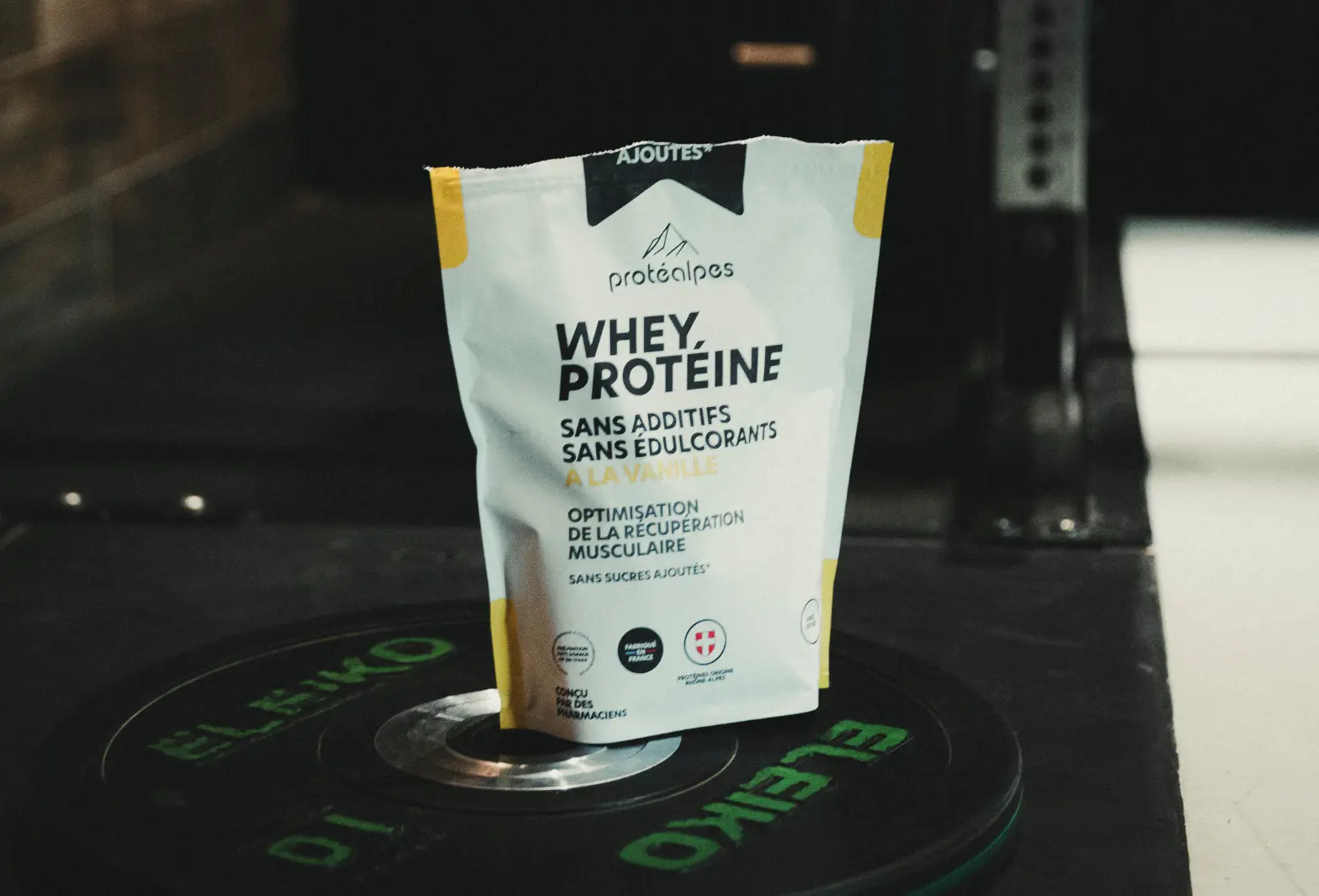
High-quality sugar-free proteins
- Cold microfiltration
- Optimal digestibility
- Unsweetened flavor
- Without performance-enhancing substances
- Gluten-free
Metabolic adaptation
In response to prolonged calorie restriction, the body reduces its total energy expenditure through several mechanisms:
- decrease in adaptive thermogenesis;
- spontaneous decrease in NEAT (Non-Exercise Activity Thermogenesis);
- a decrease in basal metabolic rate.
This metabolic adaptation is well-documented in the literature and explains the plateaus observed during prolonged fasting periods without periodic adjustments. Note that the Protéalpes calorie deficit calculator uses the formula by Black et al. to estimate basal metabolic rate.
Prerequisites for muscle-building
There is no scientifically validated body fat threshold that serves as a mandatory prerequisite for cutting. In practice, the sports coaching literature points to a consensus: cutting when body fat is already low increases the risk of hormonal imbalances and muscle catabolism without yielding significant benefits in terms of body composition.
This cutting program is designed for athletes who have already built a solid muscle foundation and have a clear goal of achieving muscle definition.
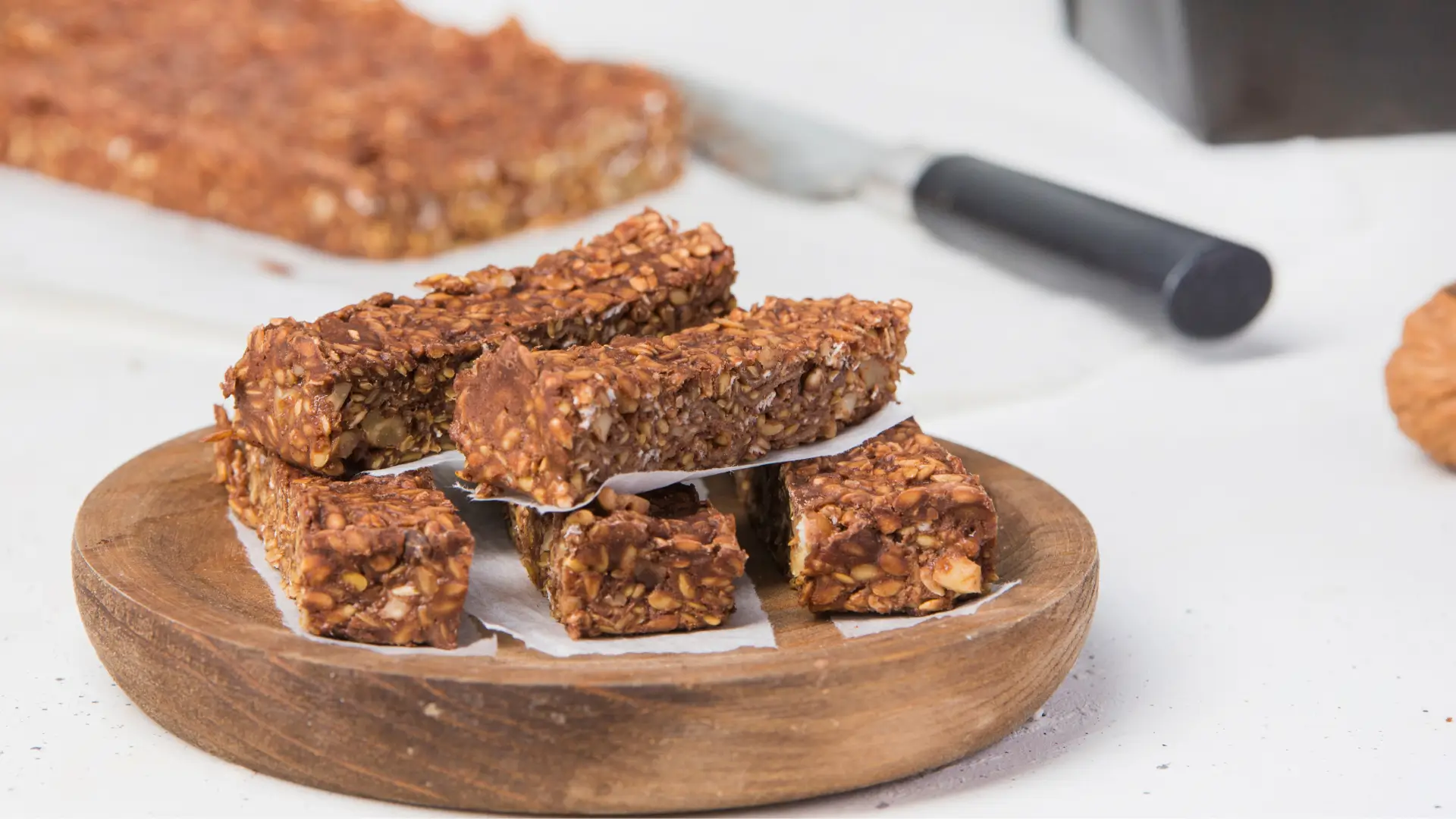
Nutrition for Cutting
Recommended calorie deficit
The data available in the literature suggest a daily calorie deficit of 300 to 500 kcal relative to total energy expenditure. This level of restriction results in a weight loss of 0.5 to 1% of body weight per week, a rate associated with the best preservation of lean body mass according to studies on athletes in a cutting phase.
The recommended maximum is around 2 kg of fat loss per month. Our article on the ideal rate of weight loss during a cutting phase provides more details on these guidelines, including specific examples.
The calorie restriction is introduced gradually: an initial deficit of 200 calories per day in the first week, increased by 100 calories per week until the target is reached.
A calorie deficit of more than 500 kcal per day increases the amount of lean body mass lost and accelerates metabolic adaptation.
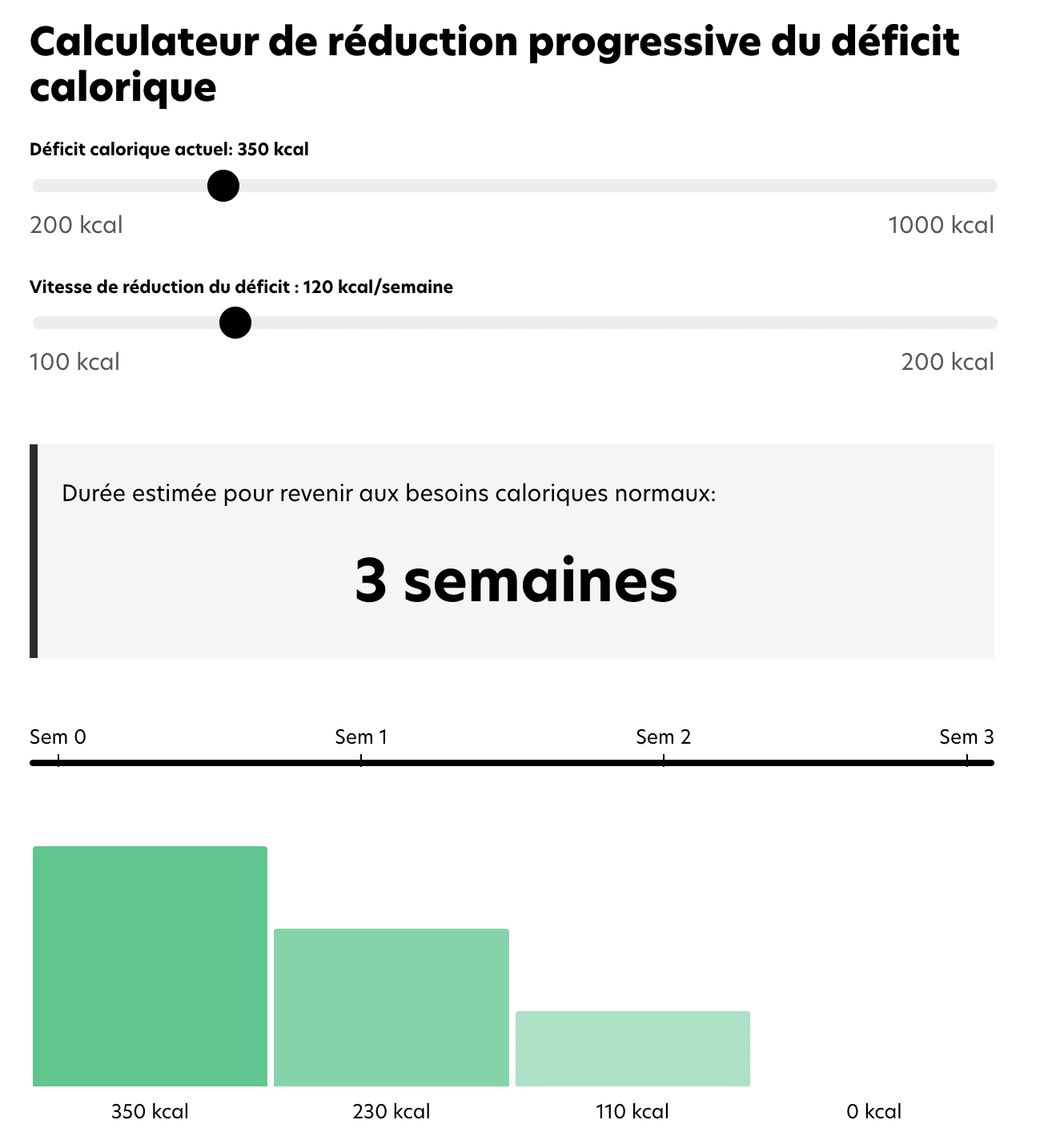
The Protéalpes calorie deficit calculator takes these factors into account to provide a personalized calculation.
Macronutrient breakdown
Our macronutrient calculator for cutting follows these recommendations, which are consistent with published data:
- Protein : 1.8 to 2.0 g per kg of body weight per day. This intake preserves muscle mass during a calorie deficit, maintains satiety, and has a high thermic effect (approximately 25% of protein calories are burned during digestion). Recommended sources: lean meat, fish, 0% fat cottage cheese, eggs, whey protein, whey isolate.
- Carbohydrates : 2.5 to 3.5 g per kg per day depending on activity level, spread out around training sessions. Complex carbohydrates with a low glycemic index (sweet potatoes, brown rice, oatmeal, whole-grain bread, legumes) fuel strength training sessions and replenish muscle glycogen. A reduction is recommended during cutting, not elimination.
- Fat: At least 0.8 to 1.2 g per kg per day. If fat intake falls below 20% of total caloric intake, hormonal functions are disrupted. Unsaturated fatty acids are recommended: olive oil, fatty fish, walnuts, almonds, and avocados.
This breakdown serves as a general dietary guideline that should be adjusted based on individual needs. For a comprehensive breakdown of a cutting diet plan, our page on the muscle-cutting diet provides detailed practical recommendations.

Specific characteristics in women
Cyclical fluctuations in estrogen and progesterone levels throughout the menstrual cycle affect water retention, insulin sensitivity, and muscle recovery.
The minimum fat intake is a critical threshold: a fat intake of less than 1 g per kg per day disrupts estrogen production, disrupts menstrual cycles, and ultimately compromises bone health.
Heme iron intake (from lean red meat) deserves special attention in low-calorie diets, where total food intake is reduced. Our guide to muscle-building for women details these adjustments.

Muscle-Building Workout Program
Lifting heavy loads
The mechanical stimulus produced by heavy loads is the primary factor in preserving muscle mass during a calorie deficit.
The literature does not support the idea of switching to light, high-rep sets during cutting: it is the mechanical tension on muscle fibers that activates anabolic signaling pathways, regardless of caloric intake. Maintaining strength throughout the cutting phase is the most reliable practical indicator of muscle preservation.
The available data suggest sets of 6 to 12 repetitions at 70 to 80% of 1RM, with the last few repetitions performed close to muscle failure.
The recommended frequency is 3 to 4 strength training sessions per week, which is consistent with the reduced recovery capacity associated with a calorie deficit.
Split or Full-Body Workouts for Cutting: Pros and Cons
A full-body cutting program targets every muscle group in every session with a high weekly frequency. This format is suitable for those who work out 2 to 3 times a week.
A split routine (push/pull/legs, upper/lower) focuses a higher volume of work on each muscle group per session, with longer recovery periods between workouts targeting the same muscle group. This format is best suited for people who train four or more times a week.
When in a calorie deficit, the frequency of stimulation per muscle group affects lean mass retention just as much as the volume per session.
For the same weekly volume, a full-body workout often allows for better distribution of fatigue among athletes with few sessions, while a split routine becomes more appropriate as training frequency increases.
Cardio for Fat Loss: LISS, HIIT, and Weekly Planning
Cardio increases calorie burn and helps build muscle definition, provided it is done in moderation so as not to interfere with recovery from strength training sessions.
LISS (Low-Intensity Steady-State) cardio at 50% to 65% of maximum heart rate, performed for 30 to 60 minutes, is ideal for active recovery between strength training sessions.
HIIT (High-Intensity Interval Training), when done for 20 to 25 minutes, results in a similar calorie burn thanks to the post-exercise EPOC effect.
A 2019 meta-analysis found no significant difference between the two methods in terms of fat loss at equivalent caloric expenditure.
A minimum of 3 hours is recommended between a strength training session and an intense cardio session. Doing HIIT before a heavy strength training session can impair performance during resistance training. Practical guidelines on the amount of cardio to do while cutting and the best exercises for cutting based on your fitness level are detailed on our dedicated pages.
Duration, rate of weight loss, and planning
Duration of a muscle-building program
The duration depends on the amount of body fat to be lost and the participant’s level of experience.
An initial cutting phase lasting 6 to 8 weeks is the most appropriate approach for intermediate athletes. Experienced athletes can undertake cutting phases lasting 8 to 12 weeks.
After 12 weeks without a break, metabolic adaptation becomes significant and the risk of muscle catabolism increases.
Our article on the ideal duration of a muscle-building phase details different approaches based on your goals.
- 8-Week Cutting Program
- 6-Week Weight Loss Program
- 4-Week Cutting Program
- 3-Week Drying Program
- 2-Week Drying Program
- 1-Week Drying Schedule
Adjustment phases and metabolic breaks
A reassessment is necessary every 4 to 6 weeks. A drop in training performance of more than 10%, chronic fatigue, or weight stagnation despite maintaining a calorie deficit indicate that metabolic adaptation is underway.
A week of calorie maintenance (diet break) partially restores leptin levels and reduces chronic cortisol levels associated with calorie restriction, a mechanism well-documented in the literature on prolonged calorie restriction.
The transition out of the weight-loss phase involves gradually reintroducing 100 to 200 kcal per week to minimize weight regain and allow for metabolic readjustment.
Recovery, Sleep, and Cortisol
Cortisol and Calorie Restriction
The body perceives a calorie deficit as physiological stress, which increases cortisol secretion.
Cortisol promotes the storage of abdominal fat in the presence of insulin by activating lipoprotein lipase, and exacerbates muscle catabolism during prolonged energy deficit.
Tomiyama et al.2 have shown that calorie restriction alone leads to chronically elevated cortisol levels. Managing non-dietary stress is therefore an integral part of a weight-loss program, just like nutrition and training.
Sleep and Body Composition
Sleep has a direct impact on body composition during cutting through three well-documented mechanisms:
- GH (growth hormone) is secreted in a peak during the first deep sleep cycle, between 1.5 and 3.5 hours after falling asleep, which promotes fat breakdown and helps preservemuscle mass.⁴ Sleeping less than 7 hours a night reduces this peak and decreases insulin sensitivity.
- Insufficient sleep increases the secretion of ghrelin (an appetite-stimulating hormone) and decreases leptin (an appetite-suppressing hormone), leading to an increase in spontaneous calorie intake of approximately 270 kcal perday.³ This imbalance makes it significantly more difficult to maintain a calorie deficit.
- A study⁵ showed in a controlled trial that increasing sleep duration by 1 to 2 hours per night in overweight adults reduced spontaneous calorie intake and promoted fat loss.
It is recommended to aim for 7 to 9 hours of sleep per night throughout the entire cutting phase, including non-training days.
Chronic sleep deprivation quickly compromises the quality of weight loss by reducing fat breakdown, increasing hunger, and promoting the loss of muscle mass rather than fat mass.
Signs of overtraining during a calorie deficit
Recovery capacity is reduced during a calorie deficit.
Signs of overtraining to watch out for include:
- a persistent decline in training performance;
- muscle pain lasting longer than 72 hours;
- an elevated resting heart rate;
- sleep disorders;
- persistent irritability or loss of motivation;
The simultaneous presence of several of these signs warrants a week of recovery before resuming your usual training load. Our overtraining questionnaire helps assess your recovery status.
Frequently Asked Questions from Athletes
Scientific references and sources
2Low-calorie dieting increases cortisol byTomiyama AJ, Mann T, Vinas D, Hunger JM, DeJager J, Taylor SE – 2010
3Sleep curtailment in healthy young men is associated with decreased leptin levels, elevated ghrelin levels, and increased hunger and appetite bySpiegel K, Tasali E, Penev P, Van Cauter E – 2004
4Growth hormone secretion during sleep byTakahashi Y, Kipnis DM, Daughaday WH – 1968
5Effect of sleep extension on objectively assessed energy intake among adults with overweight byTasali E, Wroblewski K, Kahn E, Kilkus J, Schoeller DA – 2022
6Protein requirements beyond the RDA: implications for optimizing health byPhillips SM, Chevalier S, Leidy HJ – 2016
7Daily stressors, past depression, and metabolic responses to high-fat meals: a novel path to obesity byKiecolt-Glaser JK, Habash DL, Fagundes CP, Andridge R, Peng J, Malarkey WB, Belury MA – 2014
8High-intensity interval training is not superior to continuous aerobic training in reducing body fat: a systematic review and meta-analysis byViana RB, Naves JPA, Coswig VS, de Lira CAB, Steele J, Fisher JP, Gentil P – 2019