




What’s the best whey protein for weight loss? What’s the best protein powder for bodybuilding? A native isolate with high protein content, low lactose, fast absorption, and excellent digestibility? Or a plant-based protein?…
It’s not easy to identify the best protein powders for daily use, but certain criteria can help clarify the choice. First, they must meet a nutritional need that aligns withthe user’s goal . They therefore answer the question: why am I taking this supplement?
Second, they must be high-quality, pure, and free of unnecessary ingredients. While it’s tempting to rely on the reputation of a specific brand or product, this doesn’t always guarantee the quality of the supplement.
Between whey isolate, whey concentrate, hydrolyzed whey, plant-based proteins, cold-filtered products, and those with added lactase, it’s easy to get confused. There are plenty of claims about purity, as well as guarantees of high leucine content or formulas enriched with creatine. Brands tout ultra-high quality, French-made products, optimal traceability, recovery, and muscle synthesis.
Behind all these claims, what does the actual composition really say? What are the pros and cons of the protein products currently on the market? How much protein is actually in each serving?
Choosing a protein product requires a clear understanding of your needs, your goals, and your digestive tolerance. This article cuts through the hype to help you make a clear, simple, and effective choice.
In a nutshell
- There is no single“best” protein; rather, there is a protein suited to each specific goal. Whether your goal is muscle gain, weight loss, muscle recovery, or preventing sarcopenia, whey, casein, or plant-based protein each meet different criteria.
- Whey isolate maximizes protein intake. It contains very little residual lactose and is absorbed quickly, but it is generally more expensive than whey concentrate. Casein, on the other hand, is absorbed slowly, which can be beneficial at night.
- The quality of a protein powder doesn’t really depend on its actual protein content as a percentage, but rather on the actual amount of protein per serving. However, we do pay close attention to the leucine content, the BCAA and essential amino acid (EAA) profile, as well as the filtration process and the absence of unwanted additives.
- Plant-based proteins (peas, rice, hemp) are an attractive alternative. They can be blended to provide a more complete amino acid profile than a single source, thereby optimizing muscle protein synthesis.
- The criteria of digestibility and compatibility with one’s overall diet are paramount. A good whey protein should be easy to digest, traceable, well-formulated, and affordable.
Contents
What is considered the "best" protein powder?
5 criteria for a good protein
The best protein is the one that best meetsyour physiological needs. Whether you’re looking to gain muscle or lose fat, your needs will differ. Here are 5 reasons to take protein powder:
- to address a protein deficiency in the overall diet;
- for muscle gain;
- to lose weight;
- to optimize recovery;
- to prevent muscle wasting.
The first question to ask is: What need does protein powder help meet?
Next is the criterion ofdigestibility. A protein is considered good if it is compatible with your body and if your body digests it well. This digestibility depends in particular on the lactose content for dairy-based sources, but also on the degree of filtration or the possible presence of additives.
The third criterion concerns thequality of theprotein’smanufacturing process. Here, we focus on the origin of the raw materials, the product’s composition, as well as the industrial filtration and drying processes. It’s not just the protein percentage that matters when determining quality.
Finally,budget considerations should be taken into account, in relation to frequency of use. A protein taken daily must offer good value for money to ensure high quality. Protein powders are, in fact, taken over the long term, so they represent an expense that can add up significantly.
The price of a protein doesn't necessarily reflect its quality. Some are very expensive, and their price per kilogram isn't justified.
Muscle protein synthesis: What the Science Says
It is important to understand the role of proteins in order to grasp why not all products are created equal.
Protein synthesis is the process that enables the body to replenish its protein stores, particularly in the muscles. In this process,leucineis the primary essential amino acid that triggers the mechanism, much like a metabolic switch. And it does so only if protein intake is sufficient.
There is, therefore, athreshold for triggeringthis protein synthesis. The Australian Institute of Sport (AIS) recommends an acute intake of 700 to 3,000 mg of leucine and a good balance of essential amino acids (EAAs)¹.
Therate at whichaminoacids are absorbed and assimilatedalso varies depending on the type of protein consumed². This rate influences protein synthesis, breakdown, and storage.Whey isolate,which is absorbed quickly, stimulates protein synthesis more rapidly than casein, for example. After exercise, it is therefore a beneficial protein for boosting recovery. However, it is important to remember that the total dose, the amino acid profile, and dietary context are the primary factors.
You should therefore choose a high-quality complete protein to ensure it is fullyeffective for bodybuilding.
Types of protein powder
Milk proteins
Concentrated whey
- Protein content:70–80% on average, varying by brand and manufacturing process;
- Lactose content:moderate, asit containsvaryingamountsof lactose and fat depending on the degree of filtration;
- Absorption rate:fast, making it an ideal post-workout protein;
- Its advantage:it provides a good balance of protein and calories and is often good value for money;
- Who isit for?It's designed for athletes or people on a tight budget.
Whey isolate
- Protein content:80–90%; it is higher than that of a standard whey concentrate, with an excellent profile of essential amino acids (EAAs) and branched-chain amino acids (BCAAs);
- Lactose content:It is very low, thanks to advanced filtration, which reduces it to trace amounts;
- Rapid absorption:even faster than whey concentrate, it delivers a high amino acid peak;
- The benefit:it’s an excellent choice for maximizing your protein intake with virtually no lactose or fat;
- Who isitfor?Whey isolateis designed for serious athletes, those who are lactose intolerant, or those looking to lose weight (it’s actually the best whey for weight loss).
Hydrolyzed whey
- Protein content:typically between 90% and 95%, which is the key benefit ofhydrolyzed whey;
- Lactose content:it is negligible, as the milk undergoes extensive filtration using more complex processes;
- Rate of absorption:very fast, since it is partially pre-digested;
- Its benefit: itcan reduce digestive discomfort and speed up the absorption of amino acids;
- Who is it for?It is helpful for the few people who are particularly sensitive in the digestive tract
Casein
- Protein content:between 75% and 85% depending on the purity ofthe casein, with a BCAA-to-total-amino-acid ratio that is less favorable than that of whey;
- Lactose content:this varies depending on the degree of filtration, but is often significant;
- Rate of absorption:it is slow, with a prolonged release of amino acids;
- Key benefit:It promotes a sustained release over several hours, making it ideal as a snack or before bedtime to prevent nighttime catabolism.
- Who is it for?Casein is ideal for those who want a slow-release protein for overnight or during periods without meals.
| Protein type | % Protein (approx.) | Lactose content | Absorption speed | Main interest | Average price (€/kg) |
|---|---|---|---|---|---|
| Whey concentrate | 70–80% | Low to moderate | Fast | Good value for money | Medium |
| Whey isolate | 80–90% | Very low | Very fast | High protein, low lactose, the best balance | Higher |
| Hydrolyzed Whey | 90–95% | Negligible | Ultra-fast | Maximum digestibility | Very high |
| Casein | 75–85% | Variable | Slow | Slow release, prolonged satiety | Medium |

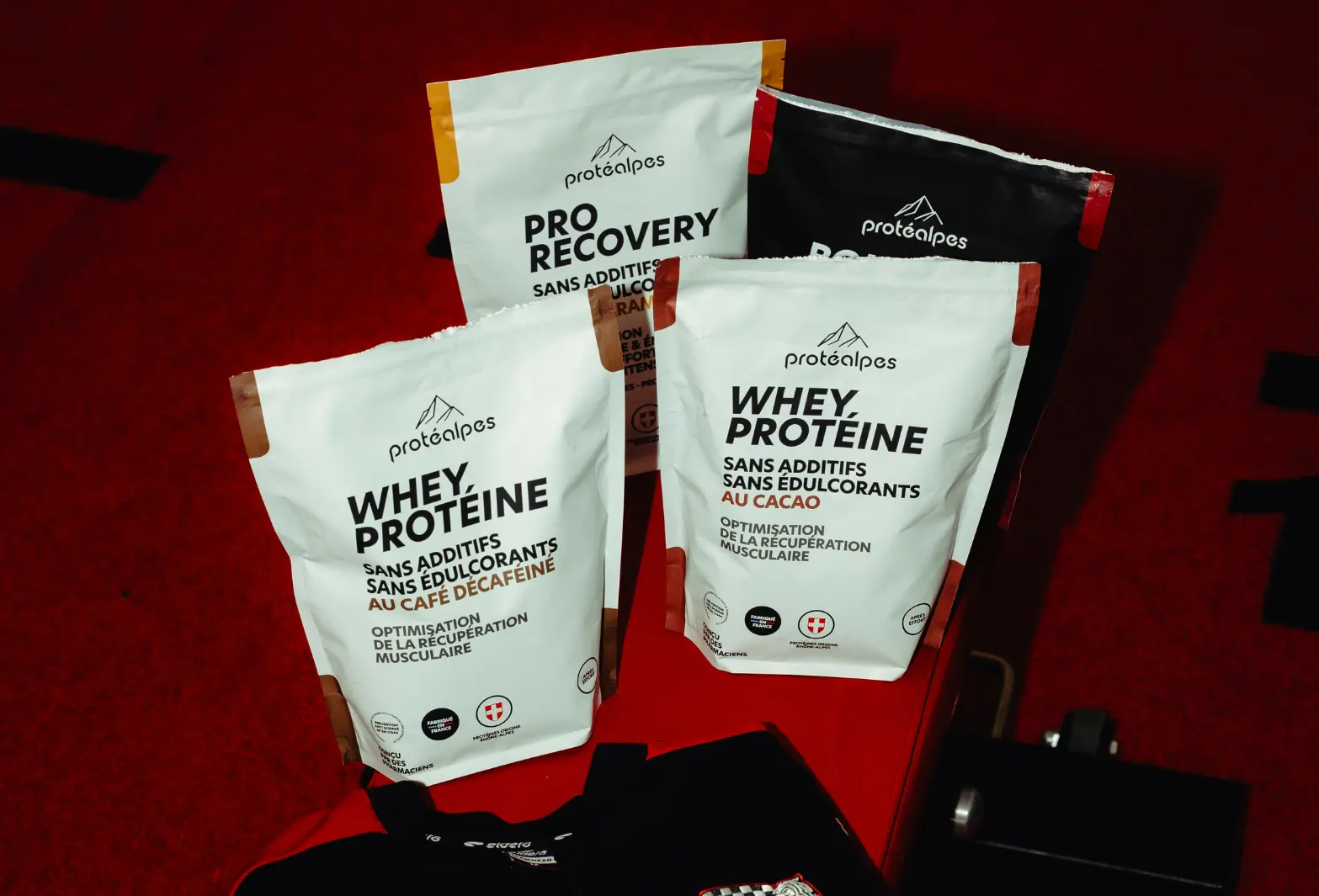
whey isolate
- No added sugar option
- Still without additives or sweeteners
- Whey isolate made in France!
- Ideal for recovery
- Certified free of doping substances and gluten
Plant proteins
Plant-based proteins offer an interesting alternative to dairy proteins, but their nutritional quality varies depending on their source and formulation².
Pea protein
- Protein content: 80–85%;
- Amino acid profile: The PDCAAS (Protein Digestibility-Corrected Amino Acid Score), which analyzes the essential amino acid composition, is 78% (with animal protein set at 100%). Rich in lysine but lower in methionine, this protein is often considered incomplete when consumed as the sole dietary protein source, but it is a valuable supplement to the diet;
- Digestibility:It is good, although slightly lower than that of animal proteins;
- Benefits: Forvegetarians or people who are lactose intolerant, pea protein is an excellent choice
Rice protein
- Protein content: +/- 80%;
- Amino acid profile: ItsPDCAAS is 53%. It is rich in methionine but low in lysine, making it a good complement to peas;
- Digestibility: itis fairly easy to digest;
- Note: Itisgenerallyused in blends to create a more balanced amino acid profile.
Hemp protein
- Protein content: approximately50%;
- Amino acid profile:lower in essential amino acids than most other plant sources, with a lower leucine content;
- Digestibility: easyto digest;
- Note: Notablefor its digestibility and absorption.
Plant blends
This refers toprotein complementation, or the nutritional valueof protein obtained by combining two proteins that have different limiting amino acids.
To achieve a complete amino acid profile, various plant-based protein sources can be combined. It is not necessary to mix plant-based proteins at every meal, but rather to maintain a varied diet each day².
The key point to remember is that, first and foremost, the essential amino acid (EAA) content of plant protein isolates is generally lower than that of animal proteins and muscle proteins. The leucine content is 5.1% for hemp, compared to 9.0% for milk and 7.6% for muscle proteins³. The methionine and lysine contents are also lower in plant proteins. Despite these differences, certain plant sources that have been meticulously selected over generations may individually have a more complete amino acid profile than their standard counterparts.
Specific proteins
Not all proteins are intended to support athletic performance. Some are primarily designed to address health or digestive issues.
C’est le cas des protéines sans lactose, ou à la teneur quasi nulle (< 0,1–0,5 % selon les procédés). Elles s’adaptent très bien aux personnes intolérantes ou sensibles au lactose, par exemple. Pour autant, la mention « sans lactose » ne veut pas dire plus qualitative. On est plutôt sur un critère de tolérance et pas de performance.
There are alsoprotein powderswithout artificial sweeteners, such as sucralose or aspartame. The advantage of these is that they avoid exposure to potentially problematic additives. They are therefore ideal for people who value transparency and minimalist formulas, even if that means a more neutral texture and taste.
Medical-grade proteins, on the other hand, are primarily intended for older adults or those suffering from malnutrition. They are often enriched with leucine, vitamin D, or calcium. Their high-calorie or high-protein formulations are tailored to specific clinical needs, such as sarcopenia, convalescence, and malnutrition.
If the issue involves a medical condition, it is naturally best to seek advice from a healthcare professional.
Some brands sellprotein products enrichedwith enzymes, probiotics, lactase, and other ingredients. These products are marketed to improve digestive tolerance in cases of sensitivity. However, the effectiveness depends on the dosage and the quality of the formulation. And some manufacturers add enzymes in only trace amounts for marketing purposes.
The selection of a protein should be based on need, not on marketing considerations.
| Specific type of protein | Objective | Advantage | Keep an eye on |
|---|---|---|---|
| Lactose-free | Digestive tolerance | Comfort | Does not guarantee overall quality |
| No artificial sweeteners | Minimalist wording | Fewer additives | The more robust flavor may come as a surprise |
| Enriched with enzymes | Digestibility | Better tolerance | The actual enzyme concentration |
| Medicalized | Sarcopenia / malnutrition… | Clinical formulation | Regulated use |

The Best Proteins for Your Goals
To build muscle
When it comes to gaining weight, what mattersmost is training, overall calorie intake, and consistency. That said, protein supplements—particularly whey protein—can help build muscle mass.
Opinions are split on several protein options:
- Whey isolate, highly regarded for its high protein content, high leucine content, and optimal digestibility;
- Whey concentrate, whichoffers good value for money and can support muscle gain (provided you consume enough of it and have no digestive issues);
- The mass gainer with a 3:1 carbohydrate-to-protein ratio is effective for people with a fast metabolism or who struggle to meet their calorie goals.
To lose weight
Whether you're trying to build muscle or lose weight, what matters most is optimizing your calorie intake. In this regard, certain proteins are better suited to these goals, including:
- the isolate, which provides the maximum amount of protein with the minimum amount of carbohydrates and fat;
- casein, whose slow release helps promote satiety and curb cravings;
- compoundplant-based formulas, designed to optimize their amino acid profile while keeping calories to a minimum.
The per-serving prices of different types of whey vary widely in the sports nutrition market. For example, the average price for purewhey isolate—whether native or not—can range from €40 to €75 per kilogram.Standard whey isolate offers the best value for money, with an average price of around€50 per kilogram.
If you are lactose intolerant
Here, we distinguish between intolerance and discomfort, since occasional discomfort may stem from the quality of the product or the sweeteners used, without there being a diagnosed intolerance.
Suitable proteins are those with a high degree of filtration, such as isolates or hydrolysates. The latter are sold under the name hydrolyzed proteins are very expensive and are not necessarily more suitable thanwhey isolate.
Plant-based proteinsare also a good alternative, as they are naturally lactose-free. But as with whey, be sure to check the traceability!
To prevent sarcopenia
The most important factor whenchoosing a protein supplement for seniors is the leucine content. Stimulating protein synthesis requires a higher intake to compensate for age-related anabolic resistance.
The best protein for this demographic is also the one that is best tolerated and most easily digestible, to ensure consistent consumption. In fact, it is recommendedto spread outproteinintakethroughout the day rather than concentrating it all in just one or two meals.
Among the options available are classic whey protein and whey protein with no added sugar from Protéalpes. It’s also worth noting that creatine can play a beneficial role for this demographic.
For endurance athletes
Endurance athletes also consume whey, primarily to promotemuscle recovery. In this regard, consuming whey after exercise will provide the spike in amino acids needed to stimulate post-workout repair.
At the same time, casein supplementation to promote nighttime recovery is an option. This slow-release protein supports tissue repair over a long period of time, typically overnight.
Finally, combiningprotein and carbohydratesremainsan effective wayto optimize both glycogen and muscle recovery.
How can you assess the quality of a protein powder?
In addition to choosing a protein that suits your goals, you should make sure it’s actually high-quality. But how?
8 things to check on the label
- The origin of raw materials
We verify the country of origin, the farming methods, and the brand’s traceability. Transparency—including geographical transparency—is also an indicator. - The type of filtration
We monitor the manufacturing process, as it affects the final lactose content and protein quality. - Protein content and amount per serving
The protein percentage should be calculated based on the serving size. A transparent product lists the amount of protein per 100 g of powder, the amount of protein per serving, and the complete list of all ingredients. Note: The protein percentage in the finished product is not a guarantee of quality. What matters is the amount per serving and the use of a pure protein source, such as whey isolate. - The ingredient list
The shorter and more straightforward the list, the more reassuring it is. A good protein powder doesn’t need a long list of ingredients. Additives have no place in sports nutrition. - Types of flavors
We consider whether the flavor is natural or not and how the product is processed.
on Sweeteners Sweeteners are tricks for the brain. They cause long-term insulin and metabolic disruptions. Avoiding them in general is a wise choice. It’s better to consume “regular” sugar in moderation (which can be beneficial at certain times as a supplement to protein during recovery) rather than sweeteners.- Presence of unnecessary additives
Never essential, their inclusion is usually intended to alter the product’s taste or texture. Whether it’s thickening agents or food coloring, it’s important to understand why they’re there—and, above all, to do without them. - Transparency and Traceability
A transparent brand conducts its own microbiological, heavy metal, and amino acid profile analyses. It can also share the results, which is often a good sign. A brand that is also able to precisely trace the origin of all its raw materials and guarantee the integrity of the entire manufacturing process through to shipment is also particularly commendable.
Transparency above all else
Speaking of transparency, independent analyses assure consumers that the product is free of contaminants and allergens and that the stated nutrient levels are accurate. These tests serve to provide a guarantee of the product’s safety.
This safety also depends on certifications. Certain certifications, such as the NF EN 17444 anti-doping standard or Ecocert certification, are true indicators of quality—not just marketing gimmicks.
As pharmacists and founders of Protéalpes, we believe it is important to make science accessible to the general public in order to accurately explain what a protein does. This also means raising awareness about what it does not do, by helping people recognize misleading or irrelevant marketing claims.
Quick Comparison: Which Protein Should You Choose Based on Your Needs?
| For profiles… | Priority to… |
| beginners | digestive tolerance and simplicity. There’s no need to get into overly technical details |
| experienced athletes | The goal is to optimize leucine content and absorption. High-quality filtration and an overall high-quality finished product are essential. |
| assets | convenience and satiety. We focus on overall nutritional quality. |
| seniors | stimulation to promote muscle development. We monitor the leucine content and digestibility of the product, and we split the doses. |
| vegetarian | plant-based sources, but especially complementary blends to ensure a good amino acid profile, or the selection of a single, high-quality source |
| with digestive sensitivities | a protein with as little lactose as possible, and no additives or sweeteners |
Everything You Need to Know About Proteins
What is the best whey protein for bodybuilding?
There isn’t a single “best” whey protein; each one is designed for a specific purpose. For bodybuilding, whey protein isolate is ideal.
Can you drink whey every day?
Yes, you can consume whey every day as long as it complements a balanced diet. Your total protein intake should also remain consistent.
Which protein should I eat to lose weight?
Proteins for weight loss are those that promote satiety and are easy to digest, with no hidden sugars or unnecessary additives.
Plant-based protein or whey?
It all depends on your needs, and the two can also complement each other. The key is to ensure you have all the essential amino acids in sufficient quantities.
Are protein powders dangerous?
No, high-quality protein powders are not dangerous. The risk comes from poor-quality products or misuse, not from the protein itself.
Conclusion
Above all, an excellent protein source is one that is tailored to the individual consuming it. In practice, a diverse and varied diet should always be the priority. Protein serves as a supplement to promote muscle growth or to address a deficiency.
Choosing a protein powder isn’t just about following the latest trend or taking advantage of a local sale. The choice depends on the source of the milk, as well as the filtration process, the absence of unnecessary additives, the BCAA content, and the biological and nutritional value.
You’re looking for a high-quality whey protein, whether it’s a whey isolate, a standard whey concentrate, or a premium , pure, native whey isolate. What matters is that it guarantees purity, solubility, and the ability to mix smoothly without clumping in water in a shaker for rapid absorption. That’s how it delivers its effectiveness for muscle building and maintenance.
Whether you're looking to build muscle, gain weight, recover after a workout, or lose weight, there's no single "best" whey protein. There are whey proteins suited to every goal, every level of lactose tolerance, every budget, and every frequency of use.
Whey offers real health and athletic benefits. It is an excellent source of protein, rich in BCAAs, and supports muscle growth and recovery. However, supplementation must be tailored to and consistent with your diet.
The right choice isn’t the most well-known brand, but the one that guarantees transparency, French manufacturing whenever possible, no additives or sweeteners, clear labeling, and proven effectiveness. When it comes to nutrition, the best product is the one that meets your needs and helps you achieve your goals.