





The endomorphicbody type describes a rather round figure, an increased tendency to store fat, often in the abdominal area, and a body composition characterized by relatively developed adipose tissue.
In a nutshell
- This definition remains descriptive: most people have mixed profiles (endo-mesomorph, meso-endomorph), rather than a pure morphotype.
- In modern literature, morphotype is not a medical category, but simply a practical tool for linking morphology, metabolism, and performance, without predicting a person's biological destiny.
- The combination of strength training and cardio (e.g., circuit training) improves physical fitness, muscle development, and fat loss, while protecting the joints of endomorphs who want to slim down.
- In terms of diet, it is even more important for endomorphs to prioritize a balanced and appropriate diet, taking care to maintain a healthy calorie balance.
- A personalized approach helps build muscle and reduce fat mass in the long term.
Endomorph: characteristics and practical implications
Body shape and composition
The endomorphic body type is characterized by:
- a rather round physique,
- a relatively large waist and hips,
- a higher than average percentage of body fat.
A healthy muscle mass can coexist when the mesomorph component is also present in the individual.
In the Heath-Carter classification system, endomorphy quantifies relative adiposity based on skinfolds and anthropometric indicators, regardless of absolute weight. In adults, endomorph-mesomorph profiles dominate, confirming an evolutionary morphological trend rather than a rigid framework.
Other commonly described body types
1. Mesomorph
- Athletic build, broad shoulders, defined waist
- Ease of building muscle mass
- Good response to training (strength, hypertrophy)
- Generally moderate fat storage at equal caloric intake
2. Ectomorph
- Slim figure, long limbs, low body fat
- Difficulty gaining weight (both muscle and fat)
- Metabolism often perceived as high (without being "magical")
- Less tolerant of prolonged calorie deficits
3. Mixed profiles (most common)
- Endo-mesomorph: good muscle tone + easy to store
- Mesomorph: predominantly muscular with increasing adiposity
- Mesomorph: lean but capable of building muscle
A body type is not a fixed structure: training, diet, and lifestyle change body composition over time.
How can I tell if I am an endomorph?
1. Which silhouette best matches your natural morphology?
Choose the figure that suits you best without intensive training
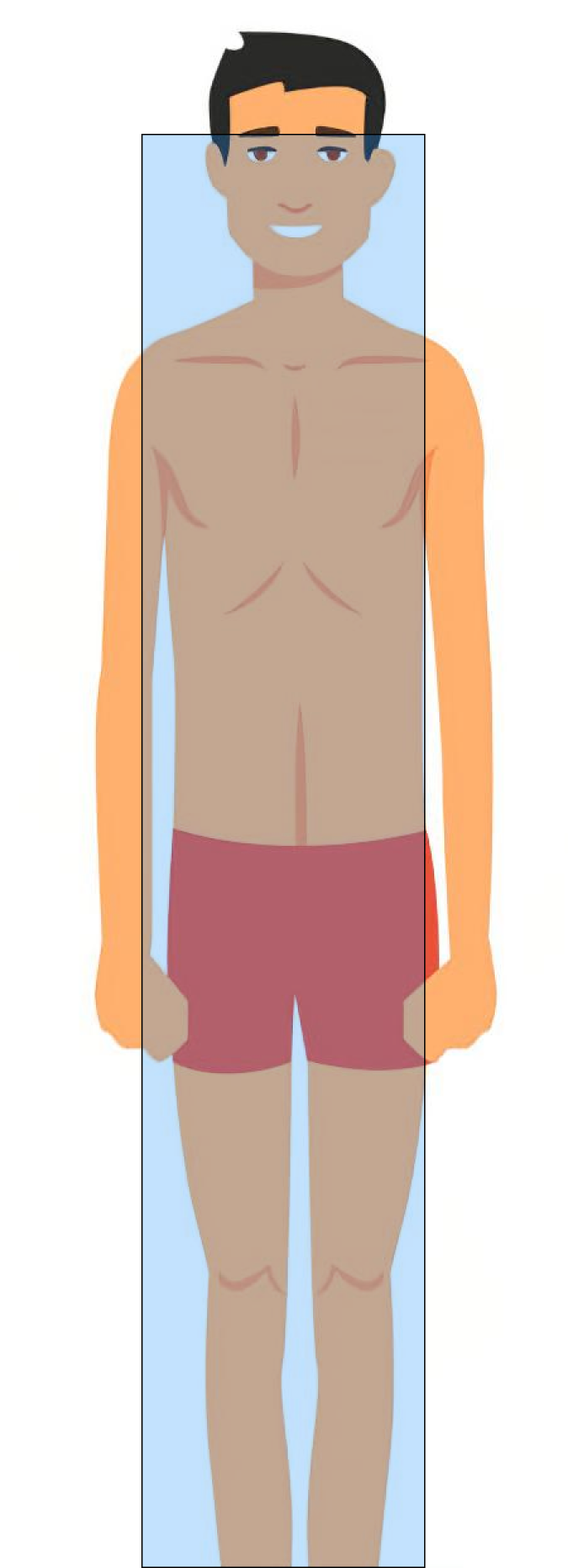 Slim and lanky
 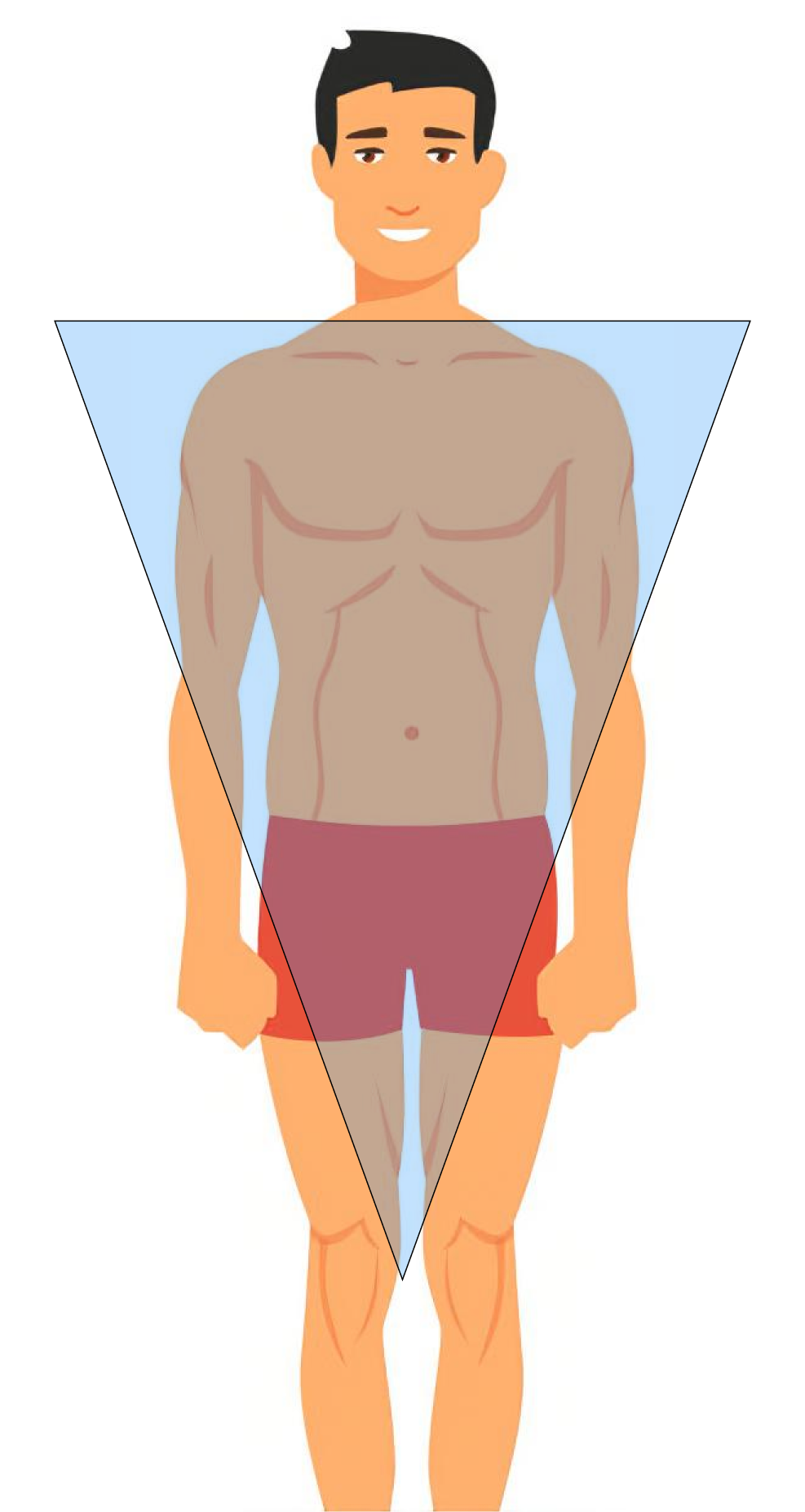 Athletic and muscular
 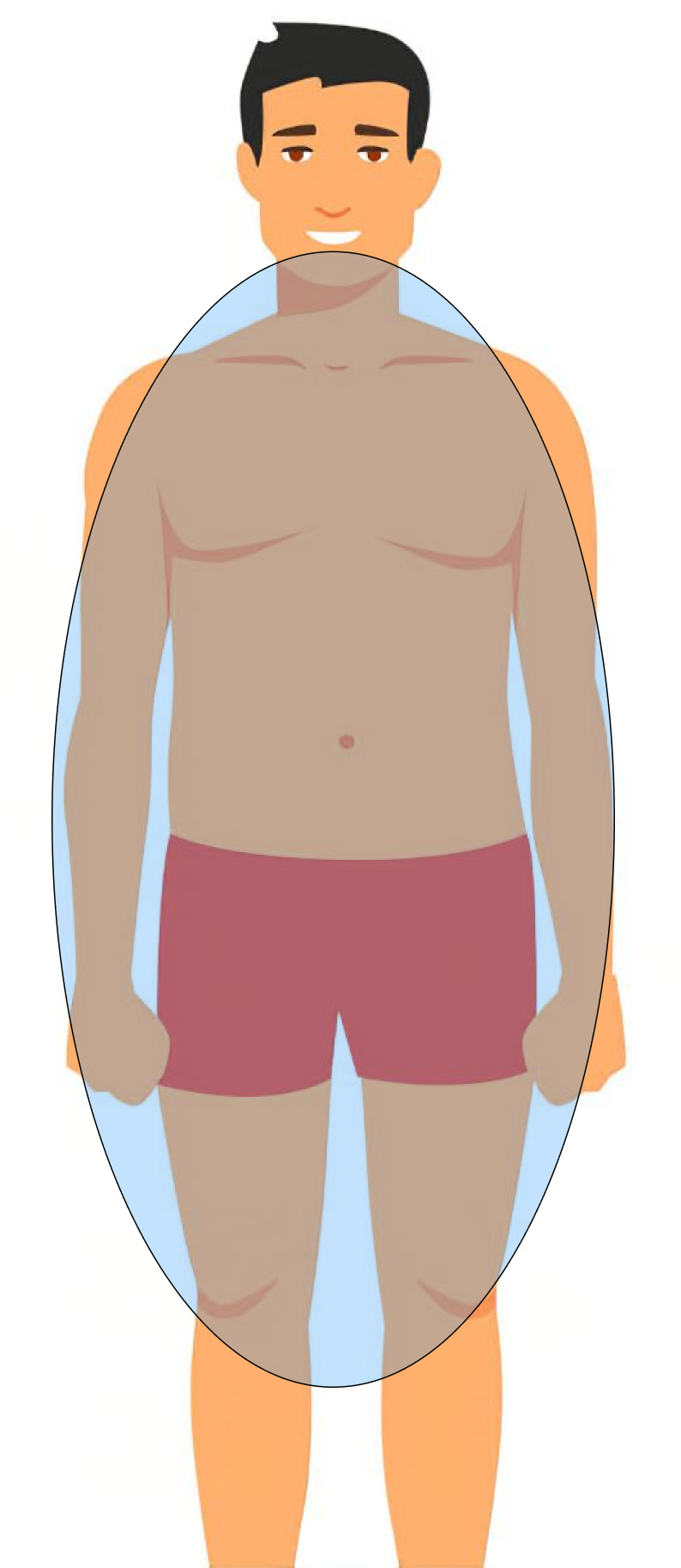 Solid and round
 2. How would you describe your muscle mass gain?
Think about your bodybuilding or strength sports experience
3. How would you describe your metabolism and weight management?
Think about your natural tendency to gain or lose weight
4. What is your bone structure?
Measure your wrist with the thumb and forefinger of your other hand
5. How does your body store fat?
Observe where you gain weight first during mass gain
6. How would you describe your natural appetite?
Think about your eating behavior without restrictions
7. How do you react to strength training?
Evaluate your bodybuilding progress and recovery
Your morphological profile
Other recommended calculators
Metabolism, hormones, and cardiometabolic health
High endomorphy is associated in particular with an increased risk of developing metabolic diseases, including in some people of average weight.
Visceral fat plays a central role, as it can ultimately be responsible for deaths caused by cirrhosis or heart attacks, for example, even though there are not necessarily any visible symptoms beforehand other than a rounded abdomen.
Various research studies highlight the link between certain hormonal disturbances and excessive fat deposits.
It is clear that fat loss significantly improves the metabolic markers of an overweight individual.
Physical performance and biomechanical constraints
A greater mass to move is linked to a lower VO₂max and lower endurance performance at the same training level.
In high-level sports, very endomorphic profiles are rare, but endo-mesomorphs exist in contact sports, throwing sports, and weight-class sports.
Joints (knees, hips, etc.) are subjected to greater stress when body fat is high, hence the importance of a gradual approach when an overweight individual resumes or increases their level of physical activity.

Advantages and disadvantages for an endomorph
Potential benefits
An interesting absolute strength can emerge when muscle mass is developed in parallel through weight training, especially in endo-mesomorphic profiles.
In addition, lipid energy reserves can be an asset for certain intermittent efforts or in sports where body mass plays a decisive role.
Finally, for overweight individuals wishing to lose weight, rapid improvements in blood sugar control, blood pressure, and reduction in fat tissue volume are often observed shortly after the initial lifestyle changes, even before significant weight loss. People with this type of profile can therefore quickly find satisfaction in this approach.
Disadvantages and challenges
A sedentary lifestyle combined with excessive calorie intake increases the risk of type 2 diabetes, high blood pressure, and dyslipidemia.
For endomorphs, rapid movements, running, and jumping require greater effort, sometimes leading to earlier fatigue.
The legacy of stereotypes originating from American psychologist William Sheldon has perpetuated the link with underlying psychological biases that have been invalidated by modern science.

How should you train and eat if you are an endomorph?
For an endomorphic individual seeking to improve athletic performance or reduce body size, the primary goal is to combine fat loss with muscle mass preservation. An approach combining strength training and cardio remains the most widely documented to date for fat loss:
- Strength training 2–4 sessions/week, multi-joint exercises, appropriate volume;
- Progressive cardio (brisk walking then running, cycling, controlled intervals) to increase calorie expenditure.
Progressiveness limits joint pain that may be exacerbated by excess weight and strengthens gait over the long term.
Here is an example of a week suitable for beginners, including four sessions:
| Session | Main content | Objective |
|---|---|---|
| Lower body strength | Squats, presses, core training | Muscular development |
| Cardio | Bike 30–45 min | Caloric expenditure |
| Upper body strength | Pulls, pushes | Lean mass |
| Circuit training | Light loads | Cardiovascular |
Nutritional approach
There is no diet specifically tailored to endomorphs who want to lose weight. The basis remains a moderate, personalized, and sustainable calorie deficit.
A sufficient protein intake (≈ 1.6–2 g/kg/day for active individuals) helps maintain muscle mass during fat loss; protein supplements can support this goal in response to an insufficient overall diet.
The quality of the overall diet is paramount:
- high-fiber carbohydrates (brown rice, sweet potatoes, fruits, and vegetables);
- mostly unsaturated fats;
- distribution of meals for satiety and intestinal transit.
Supplements cannot compensate for an unbalanced diet or a lack of regular physical activity.
Mass gainer
- High in protein, no additives, gluten-free
- Organic cassava maltodextrin
- Doping substance-free
- Carbohydrate:protein ratio 3:1
What the studies really say
The concept of morphotype enjoys relative consensus but also has certain limitations and controversies.
Endomorphy describes relative adiposity, measured using standardized anthropometric tools. High endomorphy is consistently associated with a less favorable metabolic profile and lower endurance performance with comparable training.
However, Sheldon's typology (linking morphology and personality) has been scientifically discredited. Somatotypes are dynamic and sensitive to age, training, and diet.
Modern research favors the use of metabolic phenotypes, which are more accurate and quantifiable than morphotypes.
Practical conclusion
The endomorphic body type corresponds primarily to a greater tendency to store fat, rather than a biological condemnation.
A personalized approach based on strength training, cardio, a balanced diet, and a gradual process allows you to achieve measurable results in terms of health, figure, and physical condition.
Science encourages the use of morphotype as an educational tool, never as a definitive limitation.