






The burpee is a full-body exercise that combines a squat, plank, push-up, and vertical jump into a single explosive movement. Invented by American physiologist Royal Huddleston Burpee in the 1930s, it remains one of the most demanding bodyweight exercises in modern fitness.
On average, burpees burn between 9 and 14 kcal per minute, depending on the intensity and the person’s body weight, making them an excellent way to burn the maximum number of calories in the shortest amount of time. The Protéalpes calculator uses the ACSM formula and MET values derived from scientific studies to estimate the calorie expenditure associated with the exercise.
Calculator: How many calories does it take to do X burpees, and how many burpees does it take to burn X calories?
| Calories | Burpees |
|---|---|
| 50 kcal | 66 |
| 100 kcal | 133 |
| 150 calories | 199 |
| 200 kcal | 265 |
| 250 calories | 331 |
| 300 calories | 398 |
| 350 calories | 464 |
| 400 calories | 530 |
| 450 calories | 596 |
| 500 kcal | 663 |
| Burpees | Calories |
|---|---|
| 10 | 7.55 kcal |
| 20 | 15.1 kcal |
| 30 | 22.6 kcal |
| 40 | 30.2 kcal |
| 50 | 37.7 kcal |
| 60 | 45.3 kcal |
| 70 | 52.8 kcal |
| 80 | 60.4 kcal |
| 90 | 67.9 kcal |
| 100 | 75.5 kcal |
| 110 | 83 calories |
| 120 | 90.6 kcal |
| 130 | 98.1 kcal |
| 140 | 106 calories |
| 150 | 113 calories |
| 160 | 121 calories |
| 170 | 128 calories |
| 180 | 136 calories |
| 190 | 143 calories |
| 200 | 151 calories |
| 210 | 158 calories |
| 220 | 166 calories |
| 230 | 174 calories |
| 240 | 181 calories |
| 250 | 189 calories |
| 260 | 196 calories |
| 270 | 204 calories |
How many calories do you actually burn doing burpees?
The answer depends on three factors:
- body weight;
- the duration of the effort;
- the intensity level.
A slow-paced workout with long breaks does not burn as many calories as a high-intensity interval training ( HIIT) routine performed at a brisk pace.
The standard formula used in exercise physiology is as follows:
kcal/min = MET × 3.5 × weight (kg) ÷ 200
The MET (metabolic equivalent) measures the energy expenditure of a physical activity relative to rest. The higher the MET value, the more calories the exercise burns per minute.
Note: For a 70-kg person performing high-intensity burpees (11 METs), energy expenditure reaches approximately 13.5 kcal/min. Over a 10-minute session, this amounts to about 135 kcal—far more than brisk walking or a yoga class of the same duration.
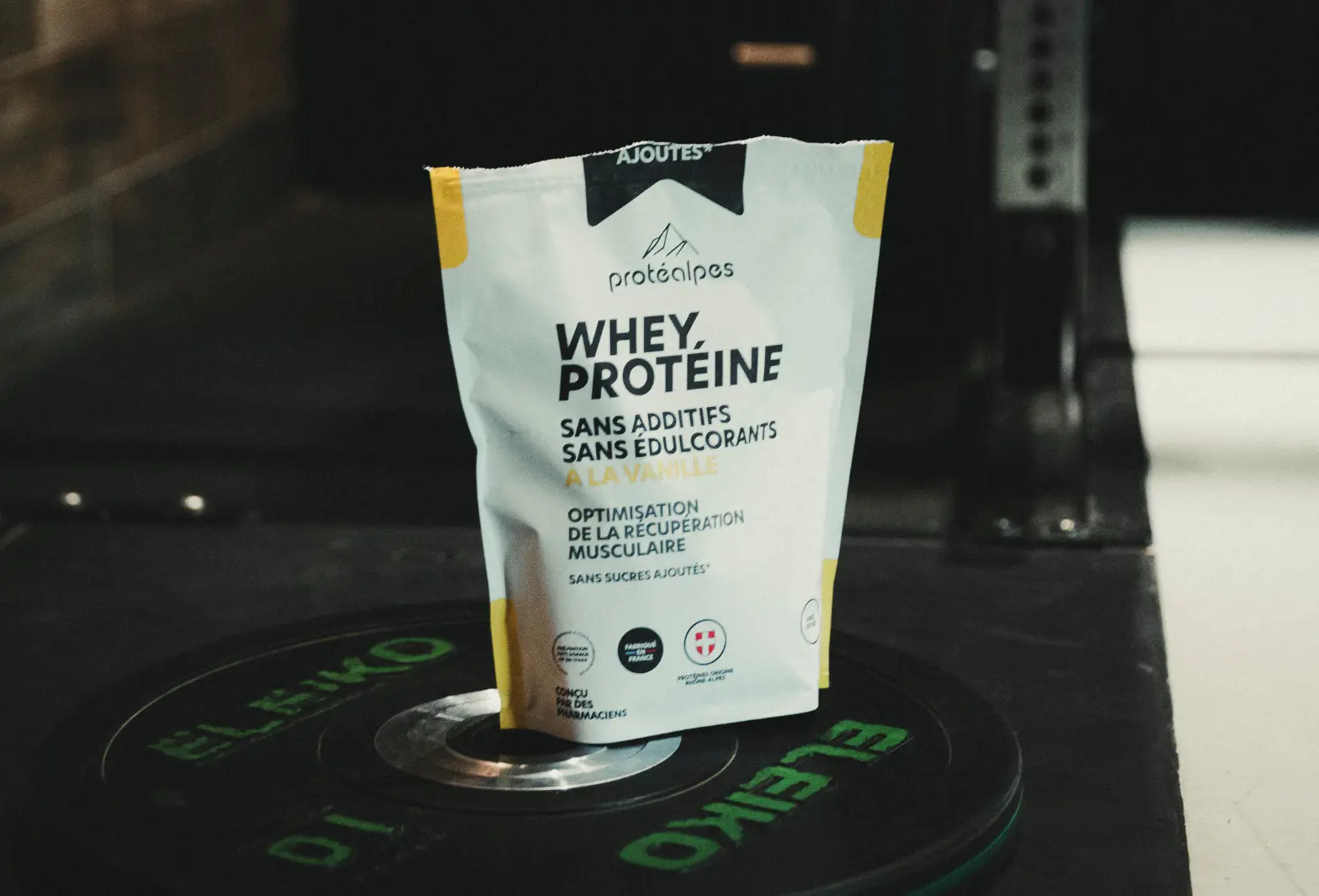
High-quality sugar-free proteins
- Cold microfiltration
- Optimal digestibility
- Unsweetened flavor
- Without performance-enhancing substances
- Gluten-free
Which MET value best describes your practice?
Scientific studies assign different MET values depending on the type of exercise. The Compendium of Physical Activities and several laboratory protocols distinguish three levels.
| Intensity level | MET | kcal/min (70 kg) | Typical profile |
|---|---|---|---|
| Moderate burpees (sets interspersed with long rest periods) | 7,5 | ≈ 9,2 | Beginner, general strength training |
| HIIT Burpees / Tabata / Circuit Training (high-intensity) | 11,0 | ≈ 13,5 | Regular participant, CrossFit, group classes |
| High-intensity burpees (laboratory protocol) | 11,45 | ≈ 14,0 | Experienced athlete, short and high-intensity intervals |
A 2020 study on a bodyweight HIIT protocol measured a value of 11.45 METs and approximately 14.7 kcal/min during the burpee segments in trained men. 1
A 2024 study even recorded peaks ranging from 32 to 41 kcal/min during 30- to 45-second bursts of maximum effort—a spectacular figure, but one that reflects very brief sprints rather than a full workout.
Do burpees burn more calories than other exercises?
The burpee is unique in that it engages nearly every muscle group: the chest, shoulders, triceps, abs, quadriceps, hamstrings, and calves all work together in a single sequence.
This multi-joint movement, which combines pushing, core engagement, and vertical jumping, is why it burns more calories than most bodyweight exercises.
Which exercise burns the most calories per minute?
At a comparable intensity, here is what the ACSM formula yields for a 70-kg person:
| Exercise | MET | kcal/min (70 kg) | 10-minute forecast | Main muscles used |
|---|---|---|---|---|
| Burpees (HIIT) | 11.0–11.5 | 13.5–14.0 | 135–140 kcal | Full body (upper and lower body) |
| Mountain Climbers (HIIT) | ≈ 11,0 | ≈ 13,5 | ≈ 135 kcal | Abs, quadriceps, shoulders |
| Jumping jacks | ≈ 7,5 | ≈ 9,2 | ≈ 92 kcal | Calves, deltoids, adductors |
| Running (10 mph) | ≈ 10,0 | ≈ 12,3 | ≈ 123 kcal | Quadriceps, hamstrings, calves |
| Jump rope (fast-paced) | ≈ 11,0 | ≈ 13,5 | ≈ 135 kcal | Calves, shoulders, abs |
| Jumping squat | ≈ 8.0–10.0 | 9.8 – 12.3 | 98–123 kcal | Quadriceps, glutes, calves |
| Swimming (moderate front crawl) | ≈ 8,0 | ≈ 9,8 | ≈ 98 kcal | Back, shoulders, arms |
| Brisk walking (6.5 mph) | ≈ 4,3 | ≈ 5,3 | ≈ 53 kcal | Quadriceps, calves |
In HIIT format, burpees and mountain climbers have very similar MET values (≈ 11 MET). The gap widens further when compared to jumping jacks or brisk walking, which place a lower demand on the muscles.
Why are burpees still an excellent choice for weight loss?
Unlike running or swimming, burpees require no equipment, no treadmill, and very little floor space. Whether at the gym or at home, they can be incorporated into any workout routine.
Its main benefit, like all multi-joint exercises performed using HIIT, is to generate a high afterburn effect ( EPOC—excess post-exercise oxygen consumption). The intensity of the movement, performed above the anaerobic threshold, significantly increases oxygen debt and keeps the metabolism elevated above resting levels for several hours after the session. Sessions involving burpees, jump squats, or mountain climbers performed at high intensity thus produce a significantly higher EPOC than continuous cardio at a moderate pace. At insufficient intensity (for example, very easy jumping jacks), however, EPOC remains limited.
On the other hand, an athlete can generally run or jump rope for longer than they can perform a continuous set of burpees. The total duration of the exercise sometimes makes up for the intensity: 30 minutes of running at 10 km/h burns about 370 kcal, whereas 30 minutes of continuous burpees is difficult for most people to sustain.
Burpees are the top choice when it comes to calories burned per minute, but the best form of exercise for weight loss is one you can do regularly and enjoy. Combining burpees, running, and strength training in a circuit remains the most effective strategy for maximizing overall calorie burn.

How does the calculator estimate your calories burned?
The tool offered by Protéalpes applies the ACSM formula in three simple steps:
- Enter your body weight in kilograms;
- Enter the duration of your session in minutes;
- Select the intensity level (moderate, HIIT, or max).
The calculator multiplies the corresponding MET value by 3.5 and by body weight, divides the result by 200, and then applies the duration. The result displayed is an estimate of active calorie expenditure, excluding the afterburn effect (EPOC).
Disclaimer: All values are estimates. Actual energy expenditure varies depending on physical condition, heart rate, the type of burpee performed (burpee without a push-up, standard burpee with a full push-up, box jump burpee), and the work-to-rest ratio of the session. The reference data are based on samples of healthy young adults; they are not universally applicable.
How can you maximize the calorie burn from your burpees?
To burn calories effectively, pace and consistency matter more than sheer speed.
Here are the keys to a productive session:
- Reduce the rest periods between sets to maintain a high heart rate;
- Aim for 8 to 12 burpees per minute: that’s the ideal pace for burning calories without compromising your form;
- Focus on the standard burpee with a full push-up and vertical jump to engage the entire body;
- Incorporate burpees into a circuit that combines mountain climbers, squats, and jumps to vary the muscle stimulus.
A fitness program that includes 3 to 4 sessions per week with 10- to 15-minute sets of burpees is an excellent choice for promoting weight loss and improving anaerobic capacity.

Vanilla whey with no added sugar
- 22.2 g of protein per serving for optimal recovery
- Minimum carbohydrates to complement protein
- Sugar equivalent of half an apple
- Organic, unrefined, wholegrain sugar
Scientific references and sources
Our other calculators

How many calories does a sauna burn?
How many calories do you burn in an hour of cycling?
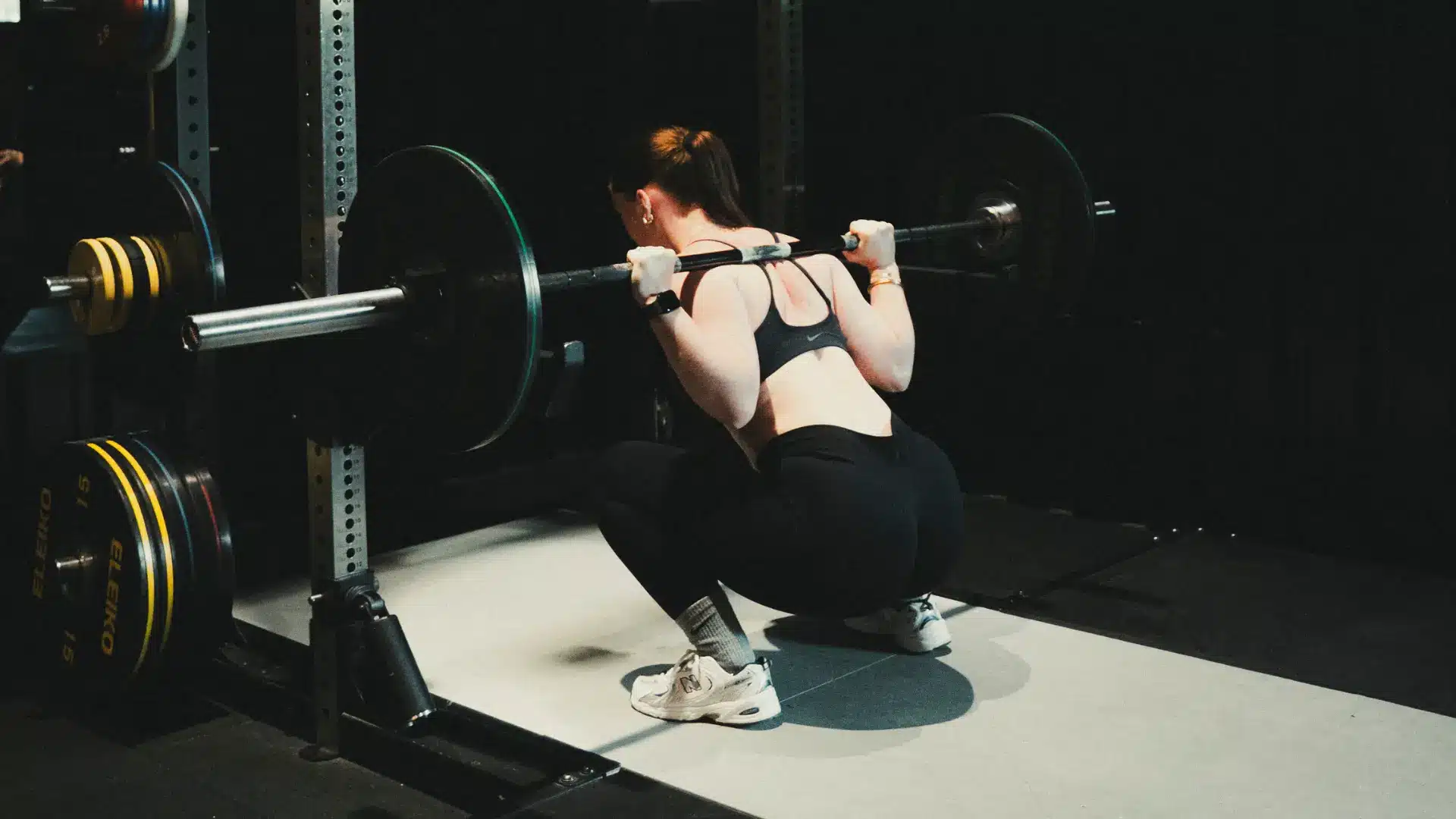
Estimated calorie burn from squats
How many calories do you burn during a one-hour walk?

Calories Burned While Swimming: Calculator

How many calories do 10,000 steps burn?

Calories Burned Doing Jumping Jacks: Calculator

Jump rope: Calories burned by duration or number of jumps

Calories burned doing 100 push-ups: estimate