





How many calories do you actually burn in an hour of cycling? The answer depends on a number of individual factors: weight, intensity of the workout, type of bike, physical fitness, the terrain of the route, and the actual time spent cycling.
The figures found in various online articles are rarely reliable. Whether it’s a road bike, gravel bike, mountain bike, city bike, stationary bike, home trainer, or e-bike, the number of calories burned while cycling can vary by a factor of four depending on the type of ride.
This calorie calculator is based on data from the 2024 Compendium of Physical Activities, an international scientific reference that compiles the measured MET values for over 900 activities.
It offers several tiered methods for estimating your expenses:
- average power for cyclists equipped with a power meter,
- metabolic equivalent (MET) by type of cycling activity for the general public,
- maximum heart rate as a secondary estimate.
The goal: to enable everyone to calculate their energy expenditure as accurately as possible, and then use that information to make practical adjustments to their sports nutrition, weight loss, or fitness routine.
Calorie Burn Calculator for Cycling
Prioritize power output; otherwise, use METs (Compendium 2024 guidelines), the ergometer option (ACSM), or heart rate alone as a very rough estimate. The results are, of course, orders of magnitude, not actual calorimetric measurements.
Estimating calories burned while cycling: prioritize power if available; otherwise, use METs (based on the Compendium 2024 guidelines), an ergometer (ACSM), or heart rate alone as a very rough estimate. The results are only orders of magnitude, not a precise calorimetric measurement.
Common data
Required for MET, ergometer, and heart rate methods; for power alone, weight is used to calculate net calories and the equivalent MET.
Power (reference)
Mechanical work: kJ = W × s / 1000. In cycling, kcal ≈ kJ is often used; metabolic expenditure depends on mechanical efficiency η.
Advanced Options — Mechanical Efficiency η
Default: 24%. Metabolic kcal ≈ kJ / (η × 4.184).
MET — type of cycling
kcal = MET × weight (kg) × duration (h). Estimated MET values based on public reference standards such as the Compendium 2024.
Ergometer (ACSM)
Fitness/lab model: may slightly underestimate depending on the load. Input: bike's displayed power (W).
Heart rate (estimated)
An estimated MET value is derived from cardiac reserve (simplified model), and then kcal = MET × weight × duration.
In a nutshell
- Calorie burn while cycling varies significantly depending on intensity, body weight, and the type of activity.
- Power (in watts) is the most reliable measure; without a sensor, the MET values from the 2024 Compendium provide a solid basis for calculating calories burned.
- Heart rate remains a secondary indicator, with significant interindividual variability.
- A controlled calorie deficit, combined with adequate protein intake, is the key to losing weight without losing muscle mass.
How is the number of calories burned while cycling calculated?
Three approaches coexist in the literature, with widely varying levels of accuracy. Here are the main models and their operating points.
The power method is the most reliable.
A sensor records mechanical work in kilojoules (kJ = watts × seconds / 1000). Because human mechanical efficiency is about 20 to 25%, the number of kJ produced is close to the number of kilocalories expended—a practical benchmark used in cycling, although it remains an approximation.
For an accurate physiological calculation, the formula is: kcal = kJ / (efficiency × 4.184). This method offers the highest level of reliability, provided that the power data is accurate.
In the absence of a sensor, the MET method is the gold standard.
Every physical activity has a MET value measured in a laboratory, which reflects its energy expenditure relative to basal metabolism.
The formula is calories = MET × weight (kg) × duration (h), which is approximately 1 cal/kg/hour per MET unit.
The 2024 Compendium provides detailed values for road bikes, track bikes, mountain bikes, stationary bikes, home trainers, e-bikes, gravel bikes, and urban recreational bikes. It enables the measurement of physical exertion in a standardized manner.
Heart rate is an indicator
Heart rate, which is sometimes measured using a watch or a monitor, should be used only as a rough estimate. The Compendium explicitly excludes data derived from heart rate monitors, due to the wide variation in this parameter among individuals.
Here’s a tip to keep in mind: never use heart rate as a benchmark for determining your calorie intake.

Calorie burn by bike type
The type of bike, the setting, and the nature of the terrain directly determine the intensity and the number of calories burned per hour. The following table lists the main MET values from the 2024 Compendium, converted to calories per hour as an example for a 70-kg person:
| Type of practice | MET value | Example: kcal/h (70 kg) |
|---|---|---|
| Vélo de ville / loisir, trajet quotidien (< 16 km/h) | 4,0 | ~280 |
| Moderate cycling, average speed 16–19 km/h | 6,8 | ~476 |
| Road bike, steady pace (19–22 km/h) | 8,0 | ~560 |
| Speed bike / road bike (22–26 km/h) | 10,0 | ~700 |
| Intense exercise, competition (> 32 km/h) | 16,8 | ~1 176 |
| Electric bike, light pedal assist | 6,0 | ~420 |
| Electric bike, high-power assist | 4,0 | ~280 |
| Mountain bike | 8,5 | ~595 |
| Exercise bike | 6,8 | ~476 |
| Spin class / HIIT cycling | 9,0 | ~630 |
| Cargo bike / loaded children's bike | ~5,5 | ~385 |
| Lightweight bike, endurance ride | 7,0 | ~490 |
What about an electric bike?
The assist mode and assist levels affect calorie expenditure when riding an e-bike: the more the motor assists, the fewer calories the body burns. But even with electric assistance and an e-bike, you still put in a real physical effort, which is greater than walking in the city in most cases.
To estimate calories burned while riding an e-bike, simply select the appropriate MET preset in the calculator based on the level of assistance used.
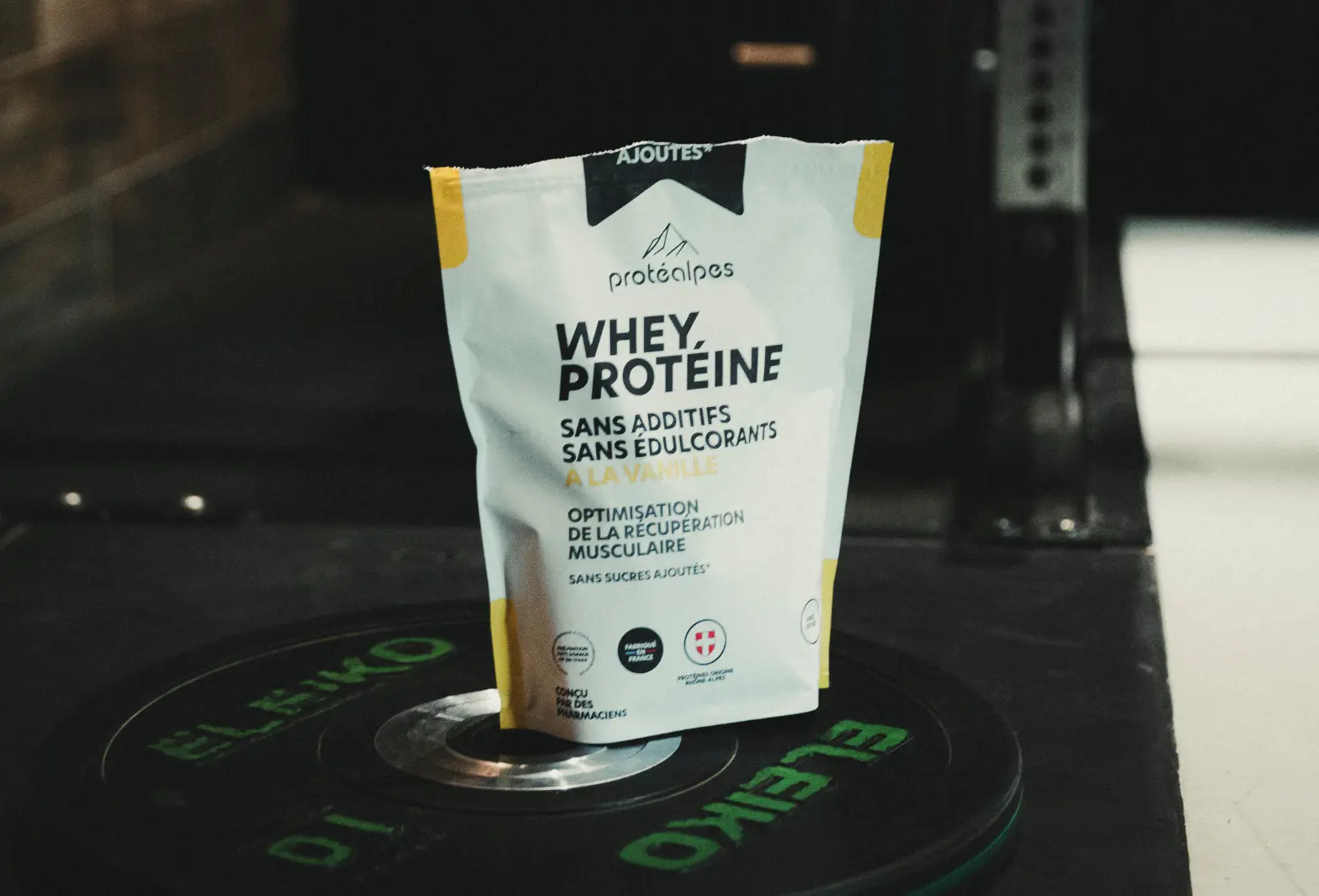
High-quality sugar-free proteins
- Cold microfiltration
- Optimal digestibility
- Unsweetened flavor
- Without performance-enhancing substances
- Gluten-free
Calories Burned and Weight Loss
To lose weight, you need to create a calorie deficit. Cycling, a low-impact sport that is gentle on the joints, is particularly effective for burning calories over time, whether during a long ride at moderate intensity or a short, high-intensity session.
A few points of reference:
- Cycling for 45 minutes at a moderate pace (~20 km/h) allows a 75-kg person to burn about 400 kcal.
- Cycling three times a week at this intensity burns about 1,200 calories, which amounts to a significant calorie deficit if your diet remains unchanged.
- The enjoyment of cycling and the variety of routes (gravel, road, city biking) make it easier to maintain consistency, which is the key to success when it comes to losing body fat.
It is essential to distinguish between total calories burned and net calories burned during exercise. The basal metabolic rate (energy expended at rest) is already included in the total figure. To determine the actual effect of cycling on body fat, we focus on net calories—that is, those expended above the resting level. This is what the calculator measures, based on the method selected.
Recovery and Nutrition: Replenishing Energy Without Wasting It
Cycling burns calories by engaging the muscles, the cardiovascular system, and glycogen stores. Eating after a workout (within two hours) has a direct positive effect on muscle recovery.
A protein intake of 20 to 25 grams supports protein synthesis and limits muscle breakdown. This is a key consideration for any endurance or running program that complements cycling.
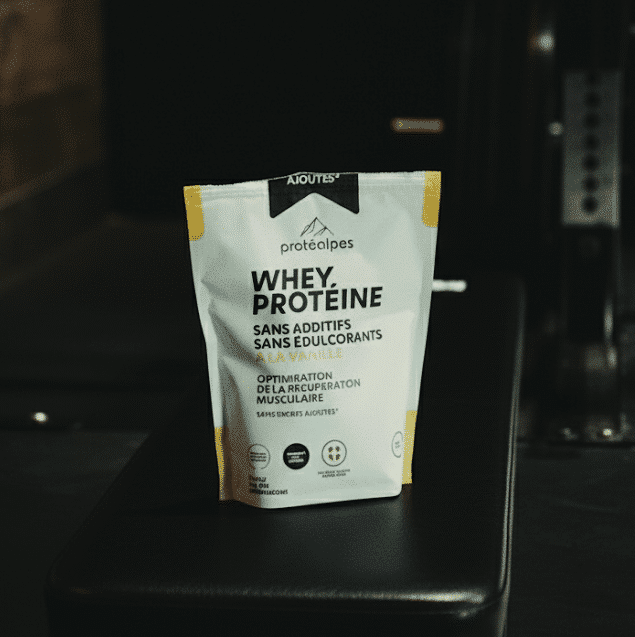
Whey made in France
- High in protein, no stimulants, no sucralose, gluten-free
- Contributes to muscle maintenance and growth
- Optimal recovery thanks to post-workout carbohydrates
- Cold-microfiltered whey isolate, without heat treatment
- Milk from Rhône-Alpes pastures, produced in Albertville
For regular cyclists—whether they ride road bikes, mountain bikes, gravel bikes, or use indoor trainers—a healthy diet rich in high-quality protein and free of additives is just as crucial as training.
Whether you’re riding a carbon-fiber bike in the Tour de France or just heading to the village bakery for your daily commute, maintaining your muscle mass requires the same nutritional approach.
The goal is not just to lose weight or maintain your figure, but to improve your physical fitness, body composition (muscle mass, body fat), and long-term health.
Scientific references and sources
- Ainsworth BE et al. – Compendium of Physical Activities: A Second Update of Codes and MET Values. Medicine & Science in Sports & Exercise, 2024.
- Jeukendrup AE, Wallis GA – Measurement of substrate oxidation during exercise using gas exchange measurements. International Journal of Sports Medicine, 2005.
- Ettema G, Lorås HW – Cycling Efficiency: A Review. European Journal of Applied Physiology, 2009.

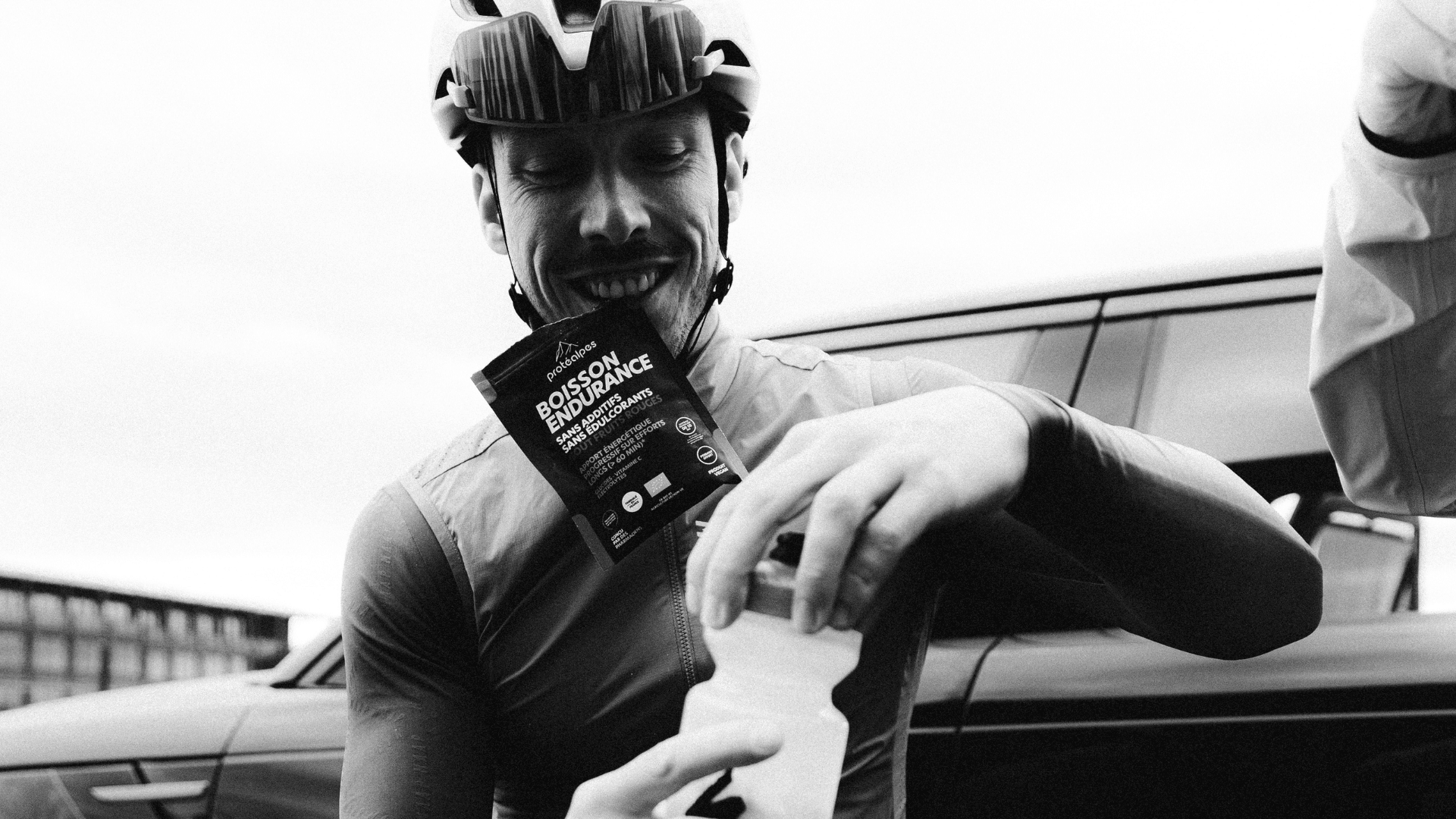
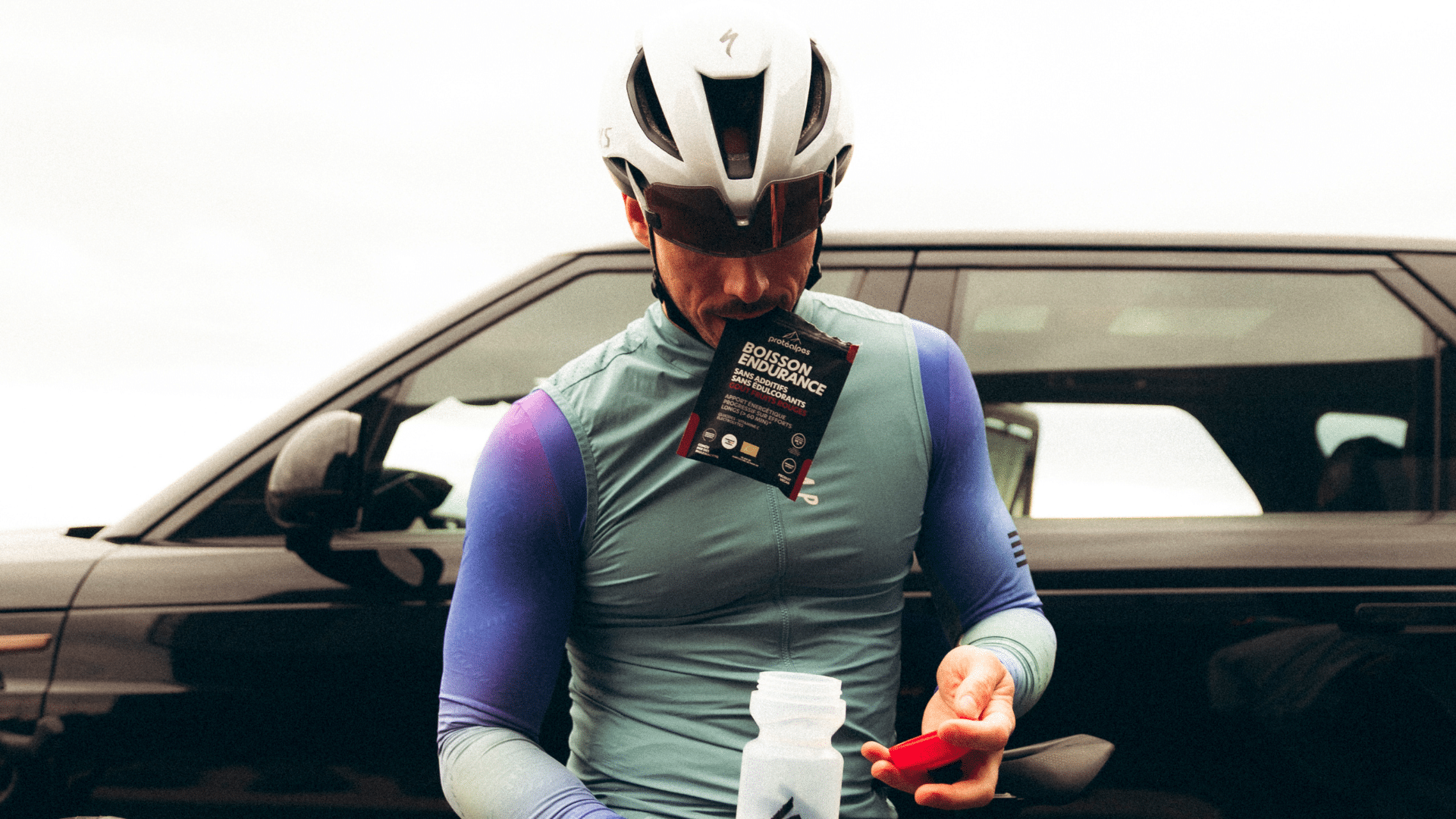
Endurance drink
- Performance during exercise
- 40 to 60 g of carbohydrates/hour
- Gluten-free
Our other calculators

Does the sauna really burn calories?

Running: calories per kilometer and per hour

Calories per burpee: calculator based on weight and intensity
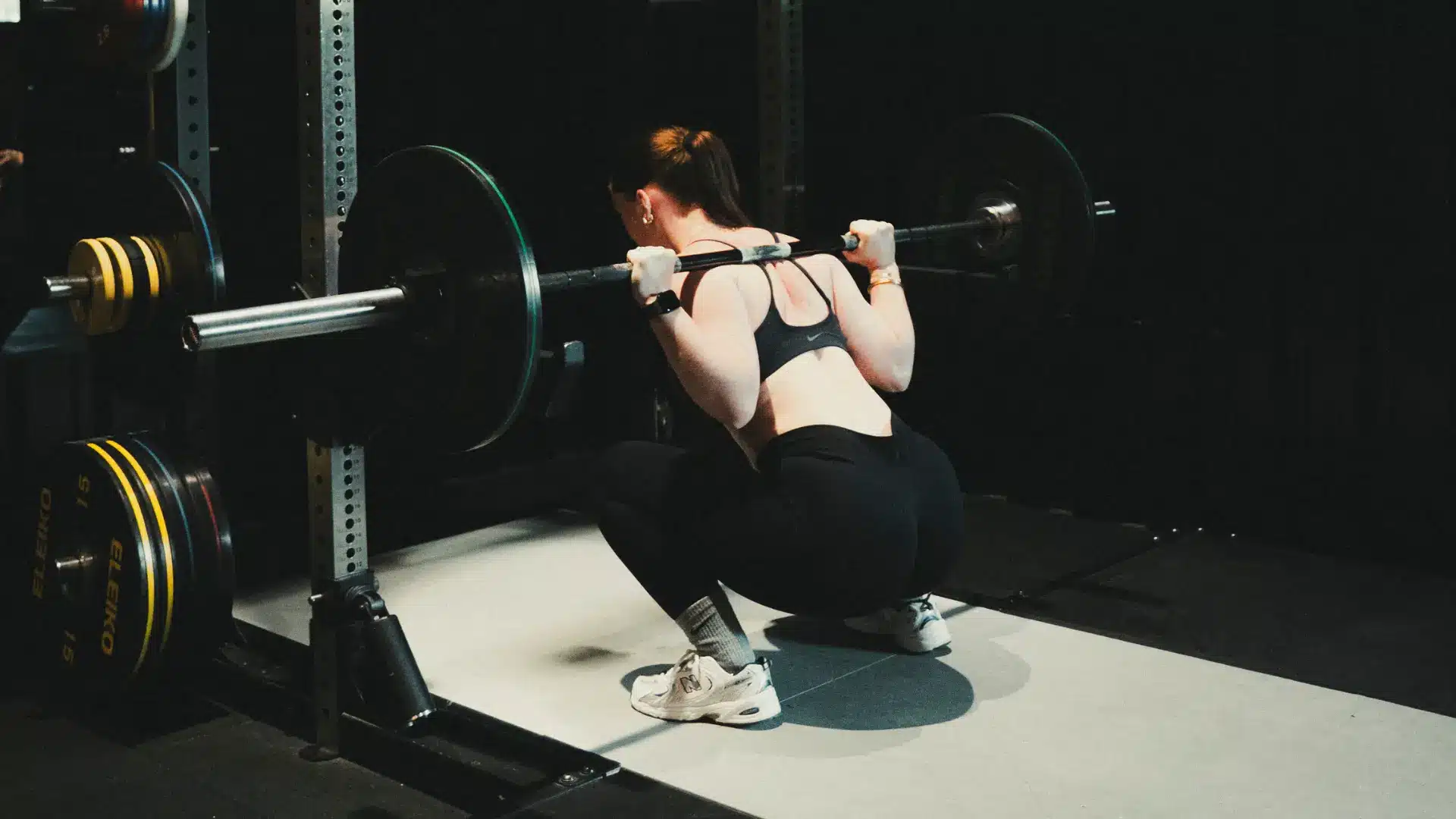
Calories per squat: Rep-based calculator

Calculate the calories burned while walking

Calories Burned While Swimming: Calculator

How many calories do 10,000 steps burn?

Calories burned with 100, 500, or 1,000 jumping jacks

Jump rope: Calories burned by duration or number of jumps

How many calories do push-ups burn?