





Losing weight while preserving muscle mass is a serious challenge for many athletes seeking to slim down. The key lies in a scientific approach called "cutting," which aims to reduce fat mass while maintaining muscle tissue.
To achieve this physical transformation, it is essentialto create a moderate calorie deficit, combined with sufficient protein intake and an appropriate training program.
Energy balance plays a central role in this process, but unlike traditional restrictive diets, effective weight loss requires a gradual and methodical approach.
The optimal solution is to adopt a balanced diet rich in protein, maintain regular physical activity combining strength training and moderate cardio, while allowing for the necessary recovery time.
In this article, we will discuss the key points for successful weight loss, including nutritional and training strategies for effectively preserving muscle mass. We will look at how to adapt your diet and weight training program to achieve your body composition goals, based on scientific data.
What are the key points for successful weight loss?
Cutting is a specific phase during which the goal is to reduce body fat while preserving as much muscle tissue as possible. This period requires a thorough understanding of the mechanisms of energy balance and metabolism.
How does our metabolism work?
Basal metabolism is the minimum amount of energy required for our body to function at rest. It accounts for approximately 60-70% of our total daily energy expenditure. Added to this are:
- Dietary thermogenesis (10%)
- Physical activity (20-30%)
When our body needs energy to meet the demands mentioned above, it draws its energy from various sources:
- Glycogen stores
- Stored fat
- Muscle proteins (to be avoided in our case)
What is an optimal calorie deficit?
To lose weight healthily, it is necessary to create a moderate calorie deficit. Science recommends a reduction of approximately 20% (no more) of daily energy intake. For example, for a person who normally consumes 2,500 calories, the deficit should be 500 calories.
A deficit that is too large (>25%) can lead to a slowdown in basal metabolism and accelerated muscle wasting.
Indeed, excessive calorie restriction can trigger several protective mechanisms:
- decrease in the production of anabolic hormones;
- slowing of the basal metabolic rate;
- increased fat storage;
- accelerated loss of muscle mass.
All of these factors make it more difficult to lose weight. That's why it's important to pay close attention to calorie deficit when you want to lose fat while preserving muscle mass. And in most cases, it's really just a matter of preserving it.
The myth of muscle gain during cutting
It is physiologically very difficult to gain muscle while losing fat, except in three specific cases:
- beginners in weight training;
- resumption after a long break;
- use of performance-enhancing drugs.
For most practitioners, the realistic goal is therefore to maintain muscle mass during the cutting phase.
To successfully preserve your muscle mass during this critical period, it is essential to implement an appropriate nutrition and training strategy, which we will detail in the next section.
Maintaining muscle mass during a cutting phase
To maintain muscle mass during a cutting phase, two fundamental aspects must be mastered: nutrition and training. Research in sports physiology shows that a balanced approach to these two components optimizes muscle tissue preservation.
Nutrition: the cornerstone of muscle preservation
Proper nutrition is the foundation of muscle preservation. Even when in a calorie deficit, the body needs sufficient macronutrients to maintain muscle function. Studies show that consuming 2g of protein per kilogram of body weight(1)is appropriate for regular athletes.
This amount helps maintain positive muscle protein synthesis, even during periods of calorie restriction.
The distribution of protein intake throughout the day is just as important as the total amount. Splitting your intake into 4-5 meals/snacks helps maintain a constant flow of amino acids in the body, thereby stimulating muscle building on a regular basis. Lean protein sources such as chicken breast, fish, eggs, and cottage cheese should form the basis of this diet. It is also possible to take protein supplements to make things easier.
The specific role of whey protein
Whey protein is a useful supplement during a cutting phase. Its high digestibility and optimal amino acid profile (BCAA) make it a valuable ally. Its satiating effect(2), demonstrated by several scientific studies, helps manage the feeling of hunger that often occurs during periods of calorie deficit.
To maximize its benefits, it is recommended to choose low-calorie formulas such as those offered by Protéalpes, which optimize protein intake without compromising the necessary calorie deficit.
A quick note for athletes who tend to completely let their guard down when it comes to their diet after cutting. It's important to remember that eating healthily throughout the year makes cutting easier and prevents unwanted yo-yo effects.
Training: guaranteeing muscle preservation
Maintaining strength training performance is the most reliable indicator of muscle preservation. Research shows that a significant decrease in the weights lifted is generally accompanied by a loss of muscle mass.
It is therefore essential to maintain the intensity of your workouts, even if the volume can be slightly adjusted to account for reduced recovery during periods of calorie restriction.
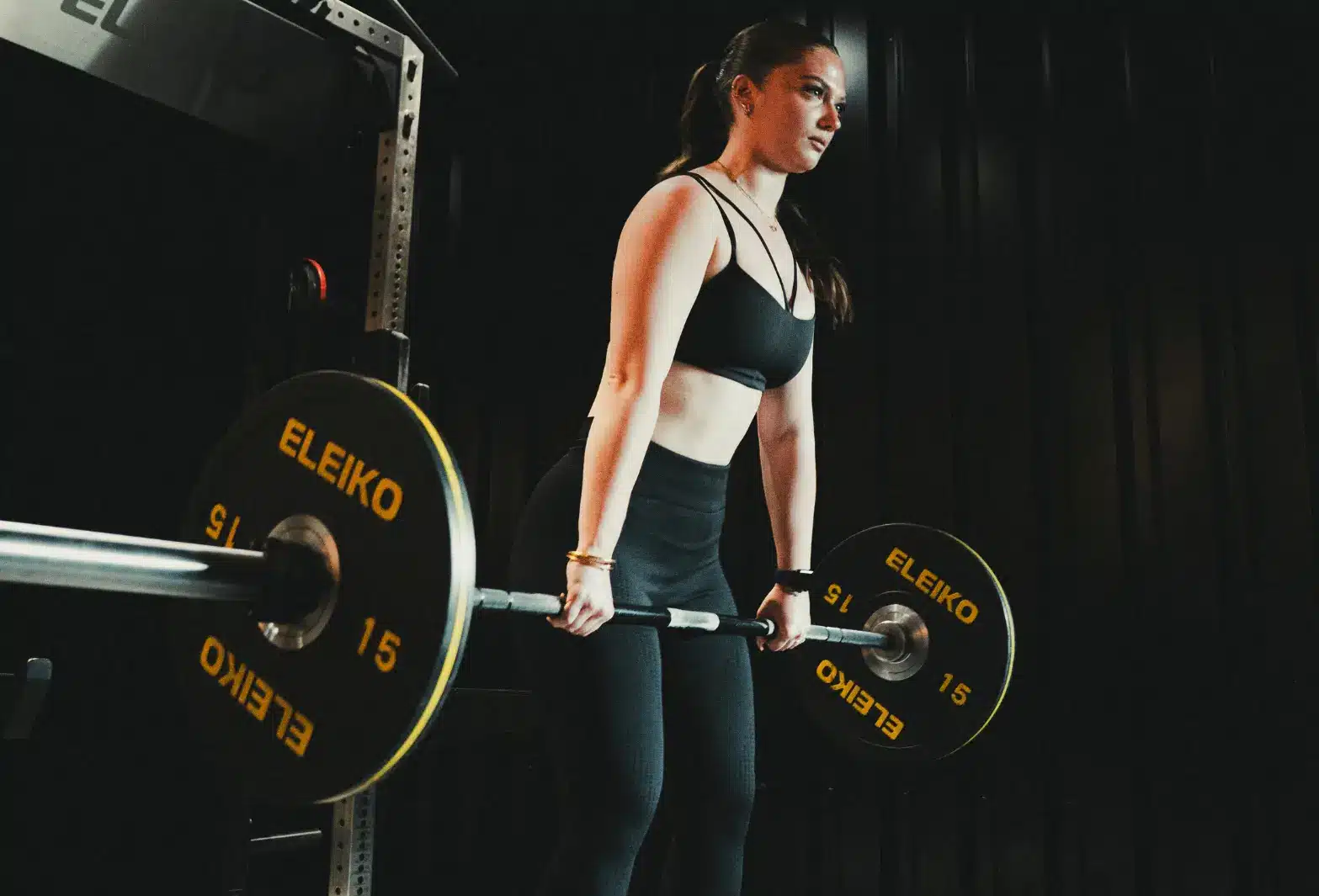
An optimal training structure during a cutting phase is based on 3-4 weekly weight training sessions. Multi-joint exercises such as squats, bench presses, and deadlifts should remain a priority, as these are the exercises that stimulate the most muscles at once.
Cardiovascular activity must be planned intelligently so as not to compromise muscle recovery. HIIT (High Intensity Interval Training) has the advantage of preserving muscle mass while optimizing calorie expenditure. Sessions of 20-30 minutes, 2-3 times a week maximum, are generally sufficient to accelerate fat loss without risking muscle catabolism.
Conclusion
Successful weight loss depends on a scientific and methodical approach to weight loss. Balancing calorie deficit with muscle mass maintenance requires careful attention to several key factors: a healthy, protein-rich diet, controlled energy intake, and a tailored training program.
A balanced diet, including foods such as lean proteins, low glycemic index starchy foods, and vegetables, helps optimize body fat loss while preserving muscle tissue.
Exercise, combining muscle strengthening and moderate cardiovascular activity, plays a fundamental role in maintaining lean body mass. The best results are achieved when gym training is structured to maintain strength and stimulate muscle growth as effectively as possible.
For optimal overall health, it is essential to view this physical transformation as a long-term process that requires patience and consistency. The tips presented in this article will help you avoid muscle loss while gradually achieving your body composition goals, ensuring lasting results for a healthier life.
Here is a table summarizing the most important information in this article:
| 🏋️ Key aspect | 🎯 Description |
|---|---|
| ⚖️ Optimal calorie deficit | 20-25% reduction in calories to preserve muscle mass |
| 🍗 Protein intake | 2g of protein per kg of body weight to maintain muscle mass |
| 📉 Energy balance | Too large a deficit (>30%) leads to muscle loss. |
| 💪 Multi-joint exercises | Prioritize squats and bench presses for muscle stimulation. |
| 🥛 Whey protein | Useful supplement for satiety and protein intake during weight loss |
| 🔄 Meal distribution | Divide protein intake into 4-5 meals for a steady flow. |
| 🏃 Built-in cardio | HIIT 20-30 min, 2-3 times per week max. to burn fat without losing muscle mass |
| ⏳ Constant intensity | Maintain the intensity of your workouts to prevent muscle loss. |
| 📅 Step-by-step process | Patience and consistency for sustainable and healthy transformation |