












Progression rules
- For strength training exercises: first increase the number of repetitions within the range. When the upper limit of the range is reached on all sets at the target RIR, increase the load by approximately 2 to 5%.
- When dry: if performance drops significantly (fatigue/sleepiness), maintain the load and reduce 1 set of the major movements the following week.
- Week 7: deload (reduced volume) before going back to heavier weights in week 8.
A full-body architecture designed for lean muscle
This program is based on a consistent approach to the cutting phase: three full-body sessions per week, working all the major muscle groups in each workout (focusing on the knees, hips, pushing, pulling, and core strength), followed by a short conditioning block at the end of each session.
This choice is relevant because it maintains a high frequency of muscle stimulation while remaining compatible with the recovery of a beginner or intermediate practitioner with an energy deficit. Full-body training is typically structured around two to three sessions per week, with sessions consisting of overall movements and a harmonious development approach.
The central premise is not to "do cardio instead of weight training," but to preserve muscle signals (strength, mechanical tension, coordination) while increasing energy expenditure.
That's exactly what you want from a good cutting program: to maintain maximum lean mass and performance while improving training intensity.
A selection of exercises guided by safety, motor coverage, and density
The structure of the sessions is based on an interesting technical compromise: most of the exercises are chosen from machines, cables, and stable variations, which reduces motor complexity and allows for clean execution even when fatigue sets in. This is particularly relevant during cutting phases, when recovery is less than optimal.
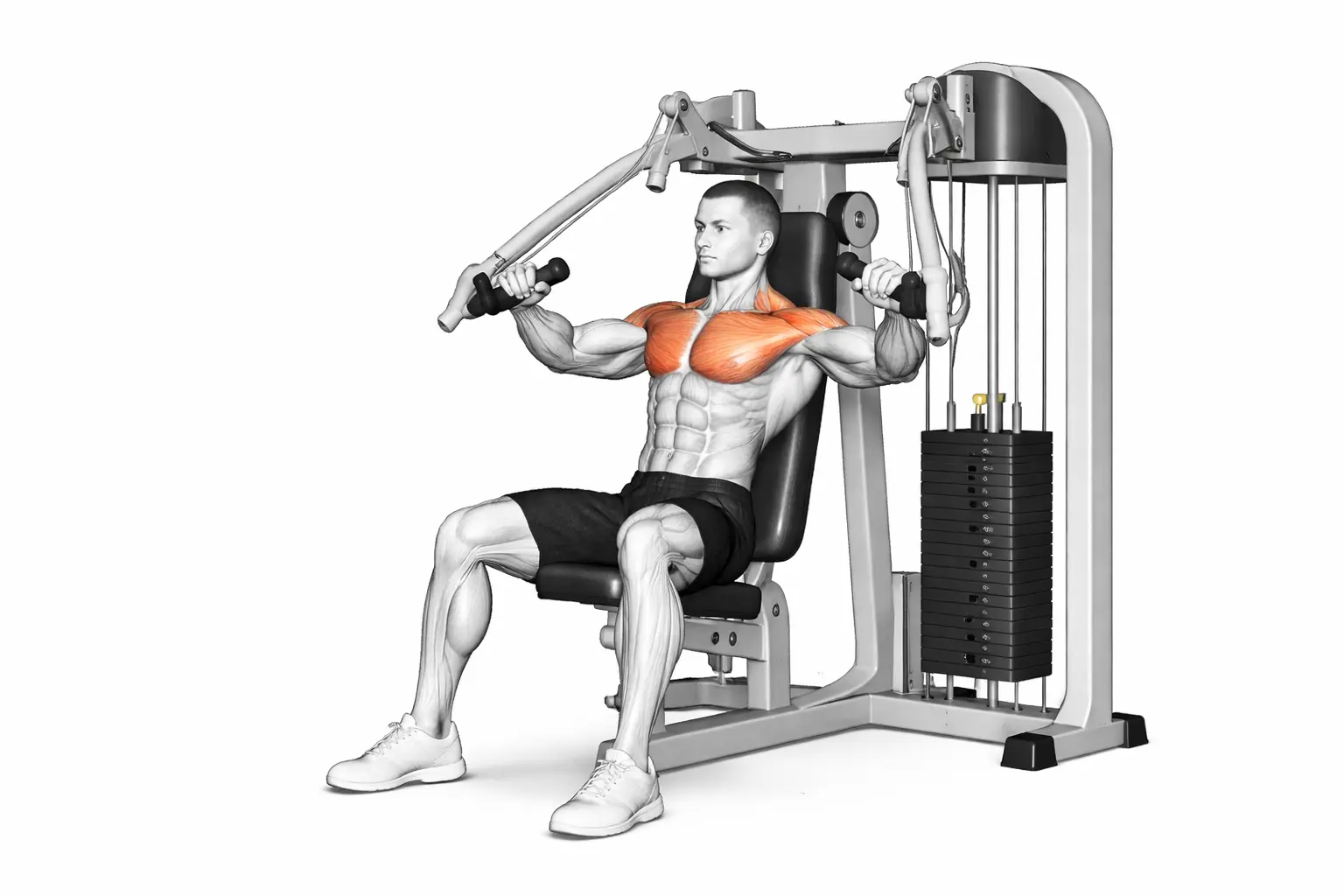
Session A, for example, combines a leg press (quadriceps dominant) and a Romanian deadlift with a barbell (hamstrings/glutes), followed by a chest press/wide grip vertical pull duo , complemented by a pallof press (anti-rotation) and intervals on an assault bike. This structure already covers the essential requirements: lower body, posterior chain, pushing, pulling, core strength, and energy.
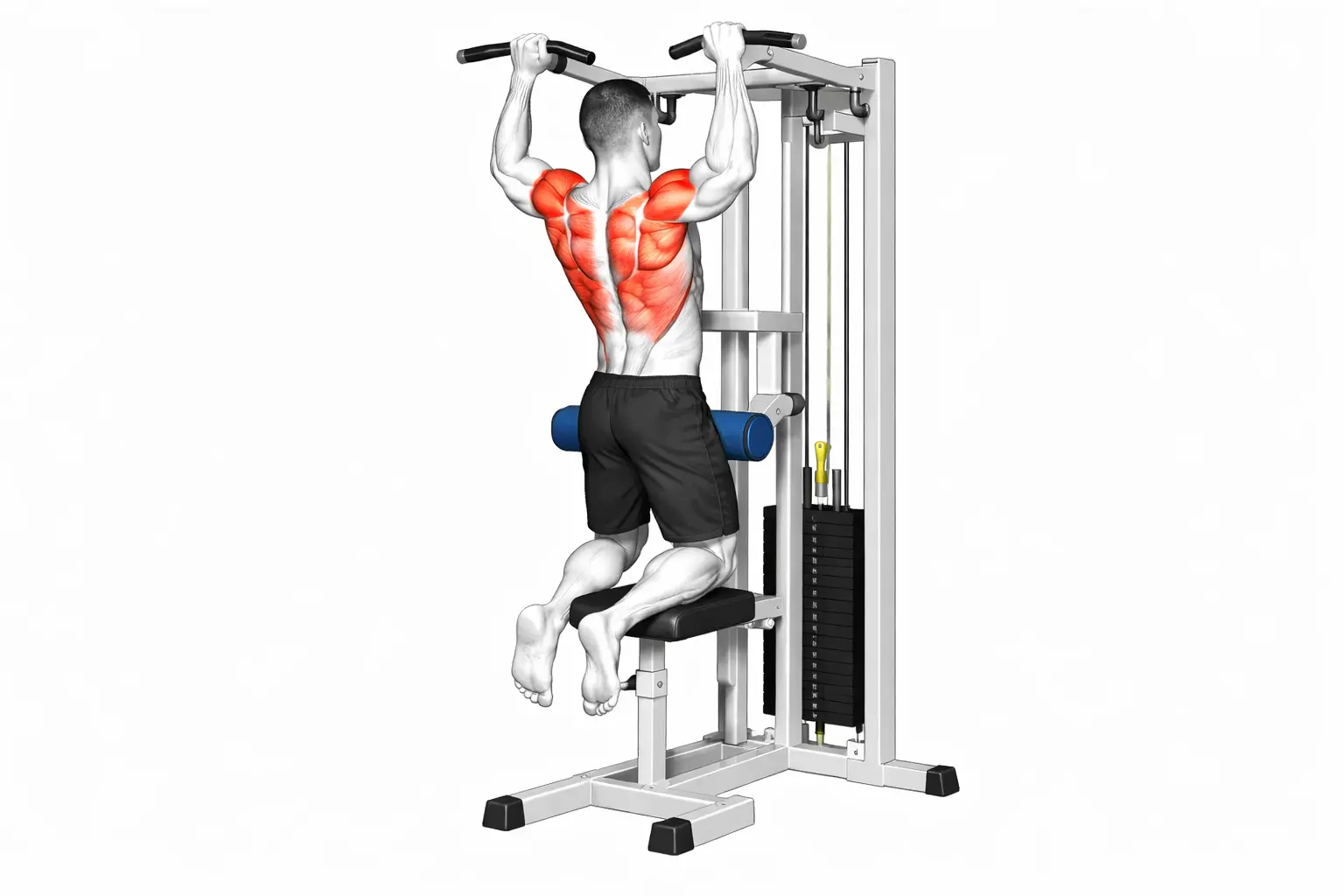
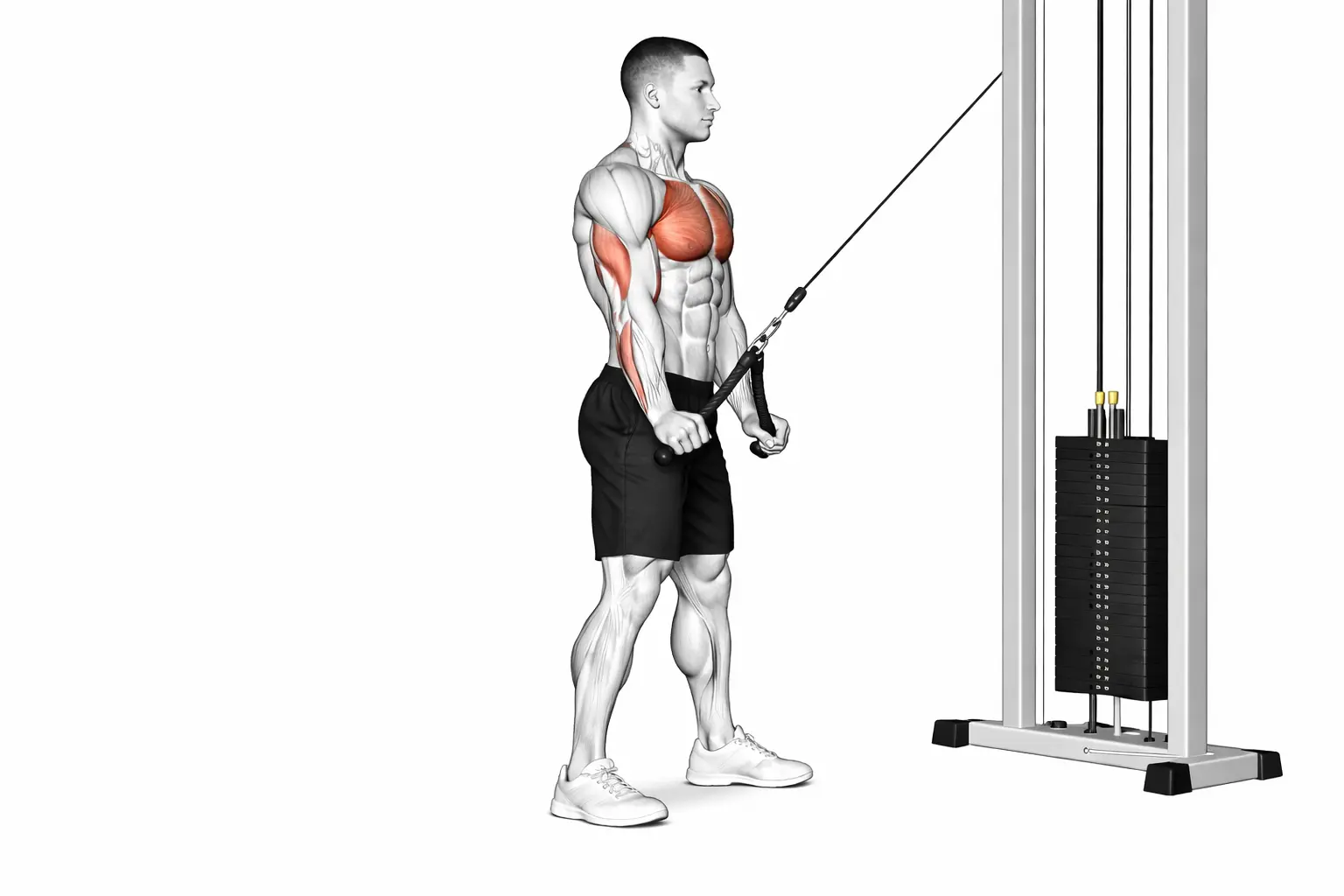
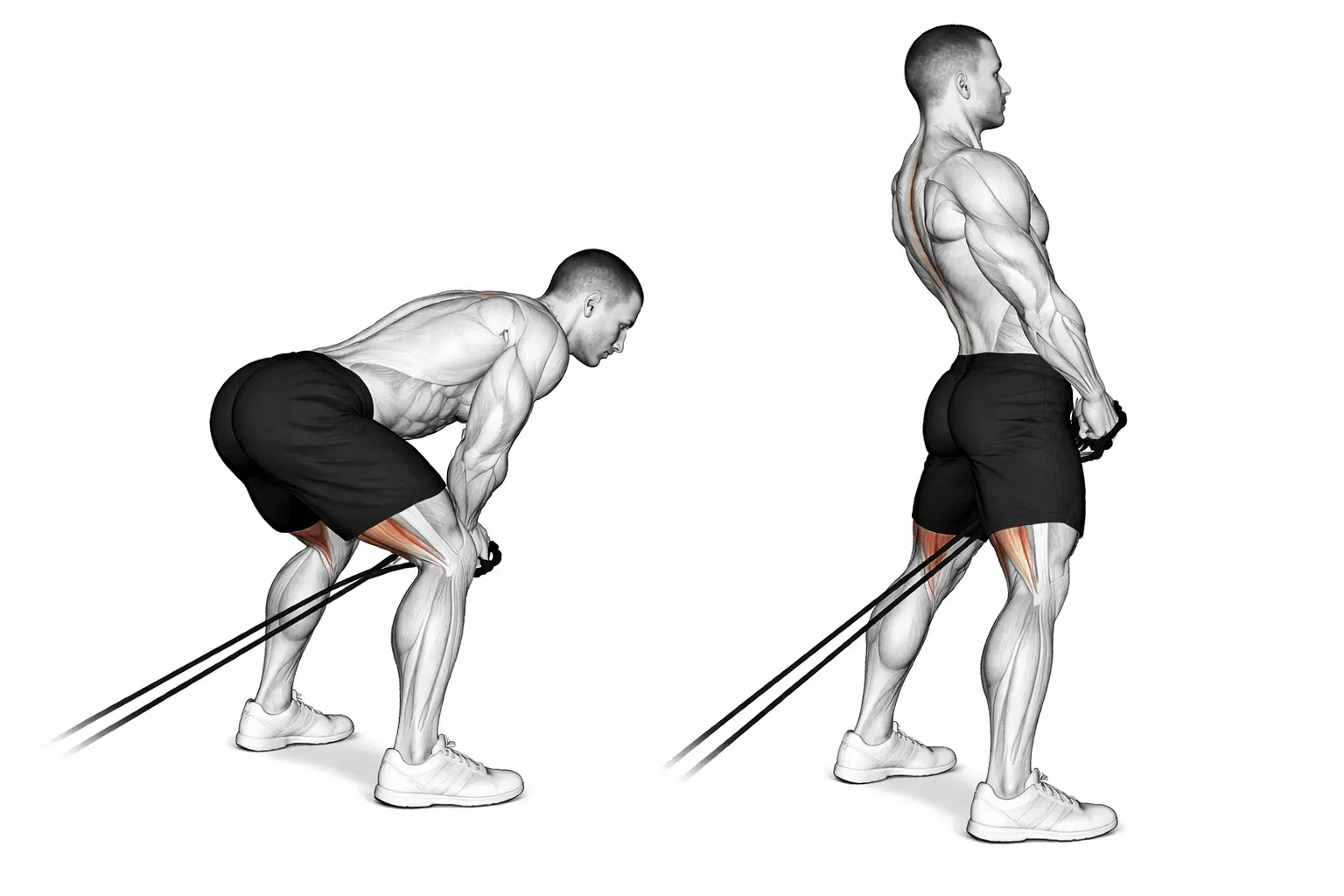
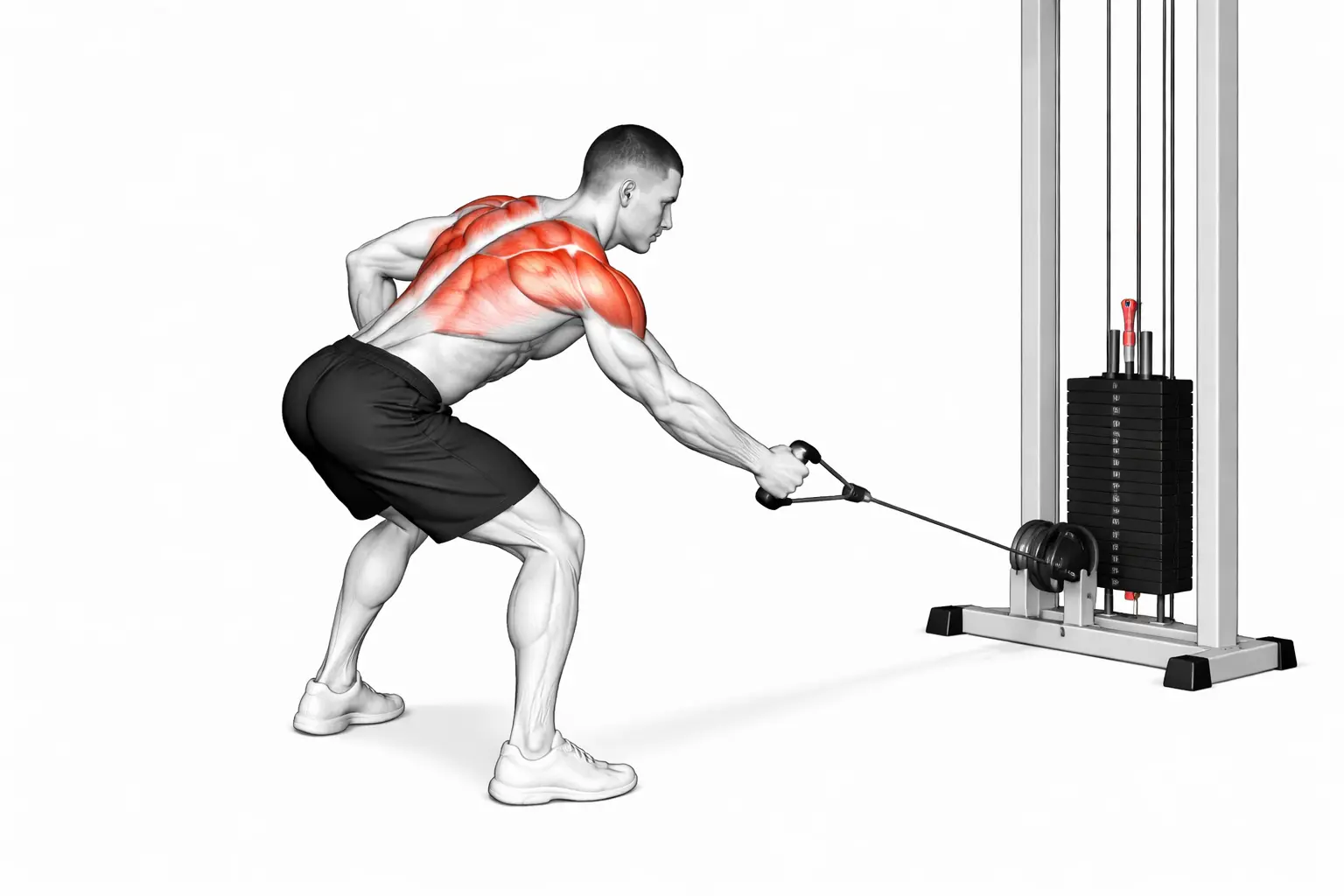
Session B follows the same logic with a different biomechanical angle: hack squats, barbell hip thrusts, shoulder press machine, seated pulley rowing, calves, then battle ropes. Session C completes the set with more targeted and slightly more "metabolic" exercises: leg extension, cable pull-through, assisted machine pull-ups, unilateral anti-rotation rowing, pulley triceps, then wall ball.
This arrangement is not insignificant. It allows fatigue to be spread out over the week by avoiding repeating exactly the same joint stresses, while maintaining complete coverage of motor patterns.
Full-body "volume" training often relies on higher rep ranges (8–15 reps) to increase metabolic stress, which is well suited to a cutting phase, provided that the weights are moderate and technique is controlled.

High-quality sugar-free proteins
- Cold microfiltration
- Optimal digestibility
- Unsweetened flavor
- Without performance-enhancing substances
- Gluten-free
Technical biases: maintaining strength, controlling fatigue, intelligent conditioning
The program was not designed as an improvised "calorie-burning" circuit. It follows a structured 8-week progression, with careful management of repetition in near-failure (RIR), volume, and deload.
The progression begins with a week of installation (more conservative RIR), which allows for stabilization of technical benchmarks. Next, the training load increases via a double progression: first, repetitions in the target range, then the load when the upper range is reached. The cycle also includes an increase in stimulus (some additional sets on the main movements), a more ambitious phase close to failure, then a lighter week 7 (deload) before a week 8 that is more consolidation-oriented (lower ranges on certain key movements).
This point is important: when cutting, a common mistake is to combine a calorie deficit, high volume, poorly timed cardio, and training to failure too often. This program avoids that pitfall.
It maintains a core set of basic movements to preserve performance, but the finishers (assault bike, battle ropes, wall ball) are short, focused, and placed at the end of the session. Conditioning becomes a tool for density and expenditure, without disrupting the quality of the weight training sets.
The choice of anti-rotation and anti-extension core training (Pallof, core control) is also a wise one: during the cutting phase, peripheral fatigue and reduced energy availability can impair posture and motor control. Strengthening the core in a functional way ensures the safe execution of heavy patterns (press, hip hinge, pulls).

whey isolate
- No added sugar option
- Still without additives or sweeteners
- Whey isolate made in France!
- Ideal for recovery
- Certified free of doping substances and gluten
Why this program is scientifically relevant for cutting
The relevance of this format is well aligned with the literature. First, regarding training frequency, the meta-analysis by Brad Jon Schoenfeld, Jozo Grgic, and James Krieger (How many times per week should a muscle be trained to maximize muscle hypertrophy?, 2019) shows that frequency, at equal volume, has no major effect on hypertrophy; In other words, the benefit of three sessions per week comes mainly from better distribution of volume, quality of execution, and practical recovery, which is precisely the focus of this program.
Next, the concept of weekly volume is key. The meta-analysis by Schoenfeld, Ogborn, and Krieger (Dose-response relationship between weekly resistance training volume and increases in muscle mass, 2017) highlights a dose-response relationship between volume and hypertrophy. The program exploits this principle without excess: enough sets to maintain good muscle stimulation, but without the "bodybuilding split" volume that is difficult to recover from when in a calorie deficit.
On the subject of near failure, the meta-analysis by Jozo Grgic et al. (Effects of resistance training performed to repetition failure or non-failure…, 2022) concludes that muscle failure is not essential for progress in strength and hypertrophy. This perfectly justifies the use of controlled RIR in this program: high stimulus, but better control of fatigue.
Finally, on the diet itself, the meta-analysis by Ahmad Binmahfoz et al. (Effect of resistance exercise on body composition, muscle strength, and cardiometabolic health during dietary weight loss..., 2025) shows that adding weight training during energy restriction helps to better preserve lean mass and strength, while improving fat loss compared to diet alone. This is exactly what this program does.
The conditioning block is also well calibrated in relation to data on competitive training. The work of Jacob M. Wilson et al. (2012) and Tommy R. Lundberg et al. (2022) remind us that interference depends on the type of cardio, its frequency, and its duration, with a more unfavorable signal when the aerobic volume is too high (and often more pronounced with running). Here, the choice of short finishers on bikes, ropes, or wall balls limits this risk.
In summary, this three-session full-body program is technically sound because it strives to achieve a rare but essential balance: maintaining mechanical tension and strength, keeping up a useful frequency, controlling fatigue, and adding just enough conditioning to improve energy expenditure without compromising muscle work.