




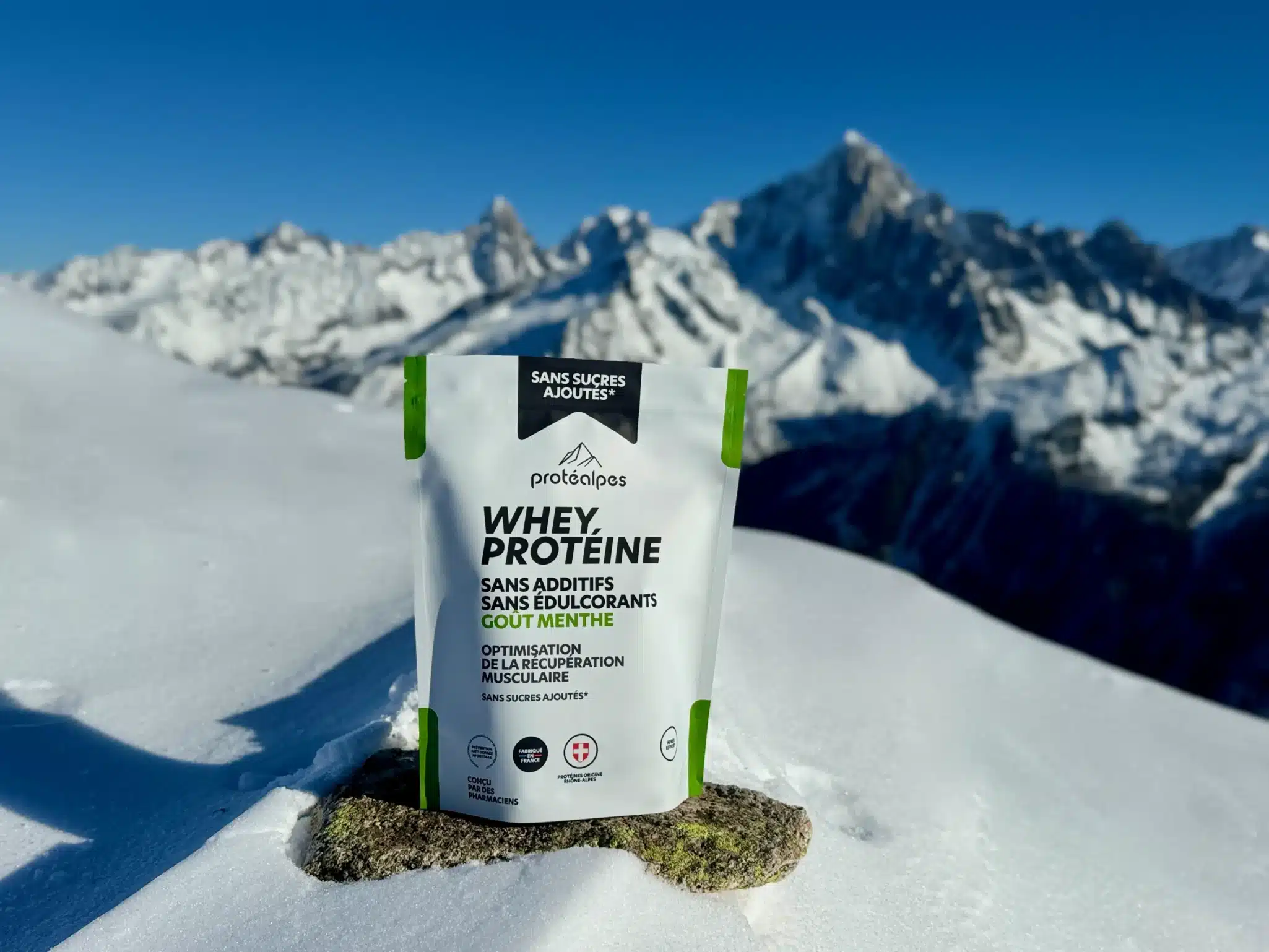
Whey, a protein powder particularly popular in bodybuilding for building muscle, is derived from cow’s milk whey. It undergoes a multi-step process before ending up in a post-workout shake or snack. Depending on the protein source—whether animal-based (milk, eggs) or plant-based (peas, rice, hemp)—manufacturing methodsvary. Some brands even go so far as to add controversial additives (emulsifiers, texturizing agents, artificial sweeteners, etc.), sometimes without explicitly stating it.
Protein powders are a staple of sports nutrition, yet their manufacturing process remains a mystery to some. Where do these molecules come from? How are they processed? What are theconcretedifferencesbetween an industrial whey protein with an unclear formulation and a natural, organic plant-based protein?
Let’s take a step-by-step look at how protein powders are made. By comparing industrial and artisanal methods, we’ll understand what’s inside a shaker of protein powder in this article.
In a nutshell
- Origin and production: Protein powders (whey, plant-based, casein) undergo different processing methods depending on their source.
- Quality and additives: Quality depends in part on the extraction methods used, but also on whether or not additives are present. We prefer lactose-free proteins for optimal digestion.
- Recommended use: Whether you’re looking to build muscle or lose weight, you should choose a protein that fits your lifestyle and goals. Whey protein is ideal for recovery, while plant-based proteins (such as pea and rice protein) are suitable for vegan diets, among others.
- Choosing the right protein product: understanding labels and learning about the manufacturing process is essential for maintaining your health.
Contents
- The raw materials or sources of protein powder
- Where do plant-based proteins come from?
- Additives or the pitfalls of industrial manufacturing
Raw materials or the source of protein powders
In addition to traditionalanimal and plant-based proteins, there are also specific or functional proteins. This includes amino acids and peptides, for example. There are also proteins derived from biotechnology and reconstituted ( multi-source) proteins .
In short, there is a wide variety of raw materials, so let’s take a closer look at those most commonly used in sports nutrition.
Where do animal proteins come from?
There are many animal-basedprotein powderson the market, most of which are derived from milk, but some also come from eggs or insects. Milk-based protein powders are mainly available in four forms:
- whey concentrate;
- whey isolate:
- hydrolyzed whey;
- casein, which is different from whey.
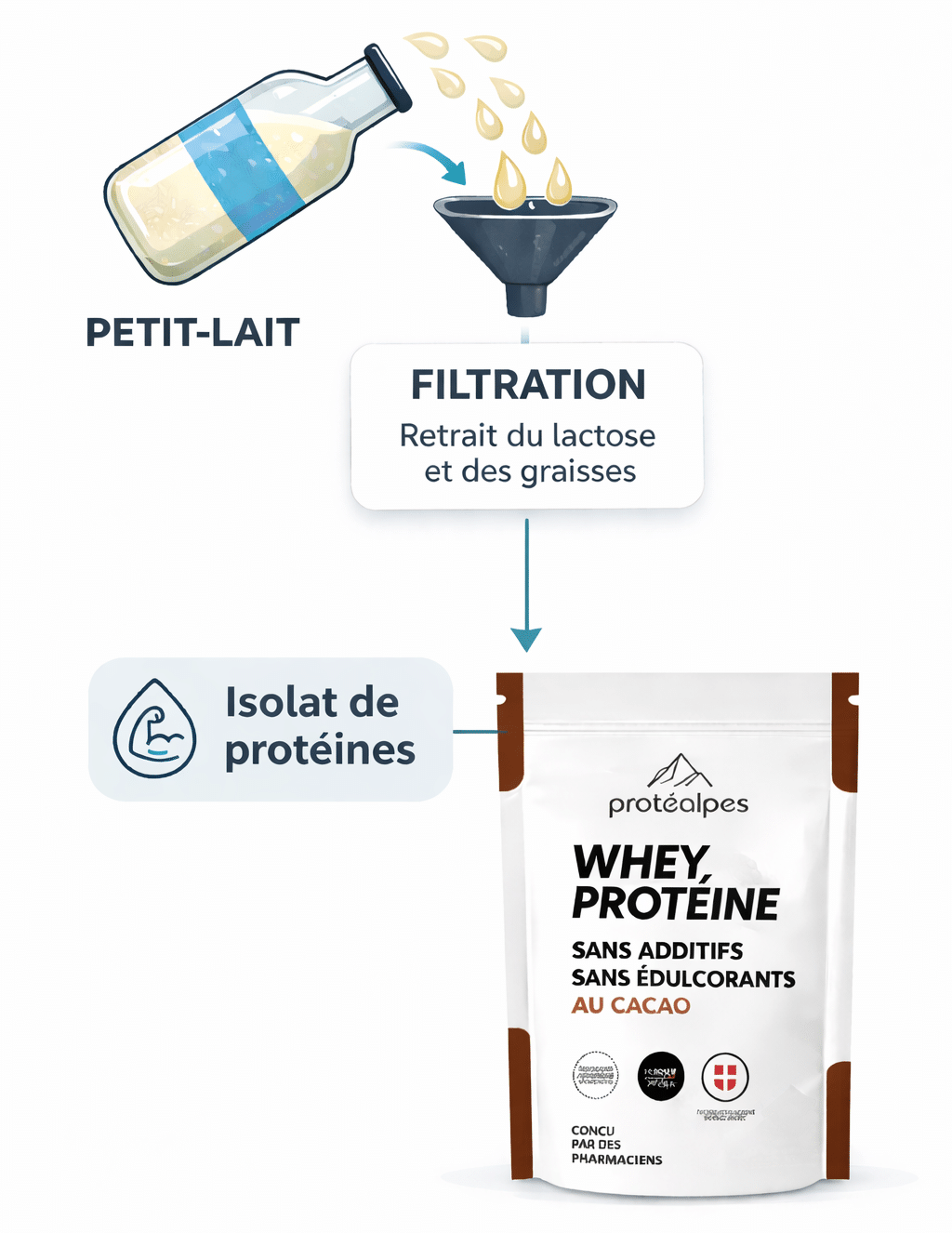
The most well-known form of protein powder iswhey. At Protéalpes, we can say that it is a cheese protein, as it is a byproduct of cheese production (particularly Beaufort). In fact, this whey protein comes from whey, which is the liquid remaining after casein coagulates during cheese production.
There are also egg proteins, specifically the dehydrated egg white, which is known as albumin.
Where do plant-based proteins come from?
As for plant-based proteinsources, they include¹:
- legumes such assplit peas, chickpeas, green peas, dried beans, lentils, and broad beans;
- oilseeds such aspeanuts, sesame, rapeseed, almonds, walnuts, and hazelnuts;
- grainssuch as wheat, rice, oats, corn, quinoa, and buckwheat;
- tubers such aspotatoes, sweet potatoes, or cassava;
- fruits and vegetables suchas mushrooms and microalgae.
Here is a summary ofthe various options availablefor protein powders, along with their benefits and limitations:
| Type of protein | Benefits | Disadvantages |
|---|---|---|
| Whey protein (Protéalpes isolate) | High protein content and rich in BCAAs, , low in fat and lactose, high bioavailability | No significant drawbacks |
| Casein | slow absorption; may help limit nighttime catabolism | less complete amino acid profile than whey, inconsistent quality depending on the type of casein |
| Beef protein | high protein content, lactose-free | lower in BCAAs than whey, significant ethical and environmental impact |
| Insect proteins | eco-friendly | less socially acceptable; generally mixed with other sources |
| Egg proteins | lactose-free, low-fat | slow absorption; generally more exp |
| Plant proteins | suitable for vegans | naturally lower levels of BCAAs and EAAs; : potential risks from chemical solvents and GMOs depending on the supplier |
| Proteins from multiple sources | variety of proteins; can be customized to meet specific needs ( ) | variable quality; not suitable for people with lactose intolerance (typically contains a high amount of whey concentrate) |
Additives or the pitfalls of industrial manufacturing
The problem with some protein powder manufacturers is that they addfood additives. The goal is to alter the product’s taste, texture, or shelf life, or to streamline an industrial process. This is where certain whey products can bebad for your health.
The most common additives are sucralose or acesulfame-K, which are classified as sweeteners. Even though sucralose has the advantage of providing sweetness without calories, it remainsharmful to health. In particular, it disrupts the gut microbiota, as well as the body’s glycemic and insulin responses.
Whey and other powders designed to be mixed in a shaker may also contain emulsifiers, thickeners, or gelling agents. For example, lecithin acts as an anti-foaming agent that makes mixing easier.
At Protéalpes, our whey protein may foam slightly when mixed, but our formula has been specially developed to provide a natural alternative to the additives mentioned above. The slight foam that forms is a natural characteristic of a product free of lecithin andother additives; however, it dissipates very quickly after mixing when the usage instructions are followed correctly.
Another concern with these additives is that they sometimes end up in production lines. And at some production sites, banned substances may also be present. For example, a 2004 study conducted by the IOC in 13 countries found doping substances in 15% of products on the market.²
To consume whey safely, the brand’s transparency and ethical standards are essential.
We encourage consumers to choose brands whose products come with a warranty:
- no additives;
- allergen-free;
- with a very short list of ingredients
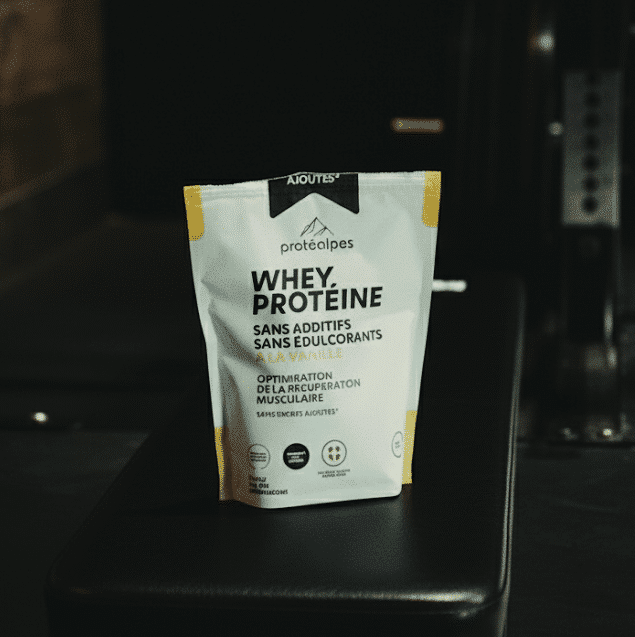
Whey made in France
- High in protein, no stimulants, no sucralose, gluten-free
- Contributes to muscle maintenance and growth
- Optimal recovery thanks to post-workout carbohydrates
- Cold-microfiltered whey isolate, without heat treatment
- Milk from Rhône-Alpes pastures, produced in Albertville
The manufacturing process: from raw material to powder
How is whey made?
- The first step in the manufacturing process is the production andcollection of milk. When the whey is referred to as “cheese whey,” the milk is then curdled by adding rennet to make cheese. At the same time, whey—the liquid byproduct remaining after this step—is obtained.
- The second step isfiltration, which isolates the whey proteins while removing fats and lactose. Through advanced micro- and ultrafiltration—primarily using ceramic membranes—an isolate with a high protein content (>85%) is obtained.
- Next comes thedrying phase, without preheating. The goal is to dehydrate the whey protein to turn it into a powder, using the process of atomization.
- The final product isformulatedby adding flavorings and additional carbohydrate sources, as well as additives from certain manufacturers.
- Next comes thepackagingstage, where the protein powder is packaged, followed by shipping logistics.
The production of plant-based proteins
The process for producing plant-based proteins differs, particularly in the extraction and isolation stages.
To begin with, unlike whey, there are many different methods for extracting plant-based proteins. These methods vary by manufacturer and, above all, by the type of raw materials used.
Generally speaking, the process begins with a grinding stage, which involves breaking down the plant-based raw materials after they have been cleaned. This is followed by a series of steps:
- The ground material is then dissolved in an aqueous solution;
- The proteins are successively precipitated and/or solubilized in order to retain them during filtration. This step often involves a change in pH;
- If the raw material contains lipids, a solvent is often used to remove them. Depending on the quality of the harvested varieties and the techniques used, peas are a raw material for whichthe use of solvents is not mandatory, unlike others.
- The purified liquid concentrate is dried, often by spray drying, to produce a protein powder.
The diagram above outlines the standard process for manufacturing a plant-based protein. It is very important to understand that, unlike whey filtration, this process systematically involves the use of additives (such as pH adjusters and solubilizers) that can have varying degrees of impact on the quality of the final product. Traceability regarding the origin of these raw materials as well as the manufacturing site is CRUCIAL when choosing a plant-based protein.
As with whey, this filtration step is only the first stage in the production of raw plant-based protein powder. To create a finished product ready for use by athletes, numerous blending steps involving various ingredients and additives may take place, depending on the brand. Be sure to check that the composition of the finished product is clear and well-known.
When it comes to vegan products, we encourage you to pay close attention to the traceability of raw materials (where do they come from?), how the raw material was produced, and by whom? Was it exposed to solvents? How was the finished product made from these raw materials, and by whom? A nutrition brand must be 100% transparent about its sourcing and production processes; don’t hesitate to ask them about these points.
Can you make your own whey at home?
Some homemade recipes claimto make whey easily. It’s a tempting idea for those looking to get a natural dietary supplement and build muscle mass on a budget.
The proposed method involves collecting the whey left over after making homemade cheese. It is then recommended to strain it through a coffee filter to remove any residue, and then dry it in a dehydrator or in an oven set to 60°C.
While the simplicity of the process makes it appealing, there is one major drawback to consider : time. Between the time needed for the milk to curdle (at least one day) and the time required to collect the whey, the process takes a very long time. Dehydration takes at least 12 hours, and in the end, you end up with only a very small amount of whey.
Furthermore, the quality andproperties ofhomemadewheywill not be the same as those of store-bought whey. Its composition may contain significant amounts of lactose, and its digestibility and bioavailability will be lower. The final product will not be suitable for athletes, either for muscle growth or for improved recovery.
How do you choose a high-quality protein?
Standards and certifications you should know about
There are regulations and certification programs at the European level, such asRegulation (EC) No. 1333/2008, which limits the use of food additives. As for certification programs, one example is the Ecocert certification, which guarantees an environmentally friendly manufacturing process.
With regard to sports regulations, the NF EN 17444 anti-doping certification guaranteesa safe product. It replaces the previous NF V94001 standard.
How can you check the quality of a protein?
To maximize results (muscle gain, recovery),there are three essential criteriato consider:
- The protein content of raw protein powder must be greater than 80% for isolate and greater than 70% for concentrate. Isolate is particularly easier to digest. Regarding mass gainers, it is important to monitor the ratio: 1 part protein to 3 parts carbohydrates, for a high caloric intake. The protein dose per serving: ideally around 20 to 25g.
- The origin of ingredients to ensure traceability. We choose proteins sourced from Europe or France, ensuring they are free of GMOs and pesticides.Proteins sourced from Asia areoftennot certified, and there is a significant risk of heavy metals or additives being present. This is where checkinglabelsis important.
- The manufacturing process is designed to preserve amino acids, particularly leucine. Proper manufacturing ensures better digestibility, whereas proteins heated too rapidly risk being significantly denatured.
| Checklist for High-Quality Protein |
| ✔️ Proteincontent≥ 80% for an isolate; ✔️Protein content of 20 to 25g per serving; ✔️ Ingredientssourced fromthe EU – Franceor certified organic with exemplary traceability; ✔️Clear, in-house manufacturing process; ✔️No additives(sucralose, aspartame, texturizing agents, emulsifiers, etc.). |
Conclusion
Protein powders are generally derived from dairy sources (whey, casein) or plant sources (peas, rice, etc.). They undergo sometimes complex processing steps (microfiltration, hydrolysis, drying) to be converted into a powder form. Their quality depends on the source (cow’s milk, liquid whey) and the extraction and manufacturing methods. To ensure quality, quality controls through organic labels or certifications may be worthwhile.
For optimal weight gain or muscle development, it’s best to choose proteins that are suited to your physical activity. We recommend high-quality proteins that are additive-free and provide a complete protein profile.
Before making a purchase, we recommend carefully checking labels to avoid products containing controversial additives. It’s best to choose brands that are reliable and transparent about their manufacturing processes.