





Mineral salts play a vital role in the athlete's body, particularly during intense and prolonged exercise. These elements, also known as electrolytes or trace elements, are essential for the proper functioning of the human body in general, and in particular when practicing a sport.
For example, mineral salts such as sodium, potassium, magnesium, and calcium are involved in many fundamental physiological processes, includingregulating water balance, transmitting nerve impulses, muscle contraction, and maintaining acid-base balance.
Given their importance, we will explore in detail the specific roles of different mineral salts in the body, emphasizing their importance for overall good health.
Then, for those who wish to optimize their performance, we will examine the direct impact of these elements on athletes' physical abilities.
What are the roles of mineral salts?
Link between mineral salts, trace elements, and electrolytes
The terms "mineral salts," "trace elements," and "electrolytes" are often used to refer to the same thing, namely the mineral elements that are essential for the body to function properly.
Although this interchangeability remains reasonable, it should be noted that there are still certain nuances, which we outline below:
Mineral salts include all minerals necessary for the body, while trace elements are minerals present in very small quantities. Electrolytes, on the other hand, are minerals that, when dissolved in body water, conduct electricity and are essential for water balance and nerve and muscle function.
Roles of mineral salts in the human body
As we have already mentioned several times, mineral salts perform many vital functions:
- Water balance and osmotic pressure: Sodium and chlorine, the main components of table salt, regulate the amount of water in the body and maintain the osmotic pressure of blood plasma.
- Muscle contraction: Calcium, magnesium, and potassium play a crucial role in muscle contraction, which is essential during physical exertion.
- Nerve transmission: Sodium and potassium are essential for the transmission of nerve impulses, ensuring effective communication between the brain and muscles.
- Acid-base balance: Minerals such as sodium, potassium, and magnesium help maintain a stable blood pH, which is crucial for proper metabolic function.
- Oxygen transport: iron, an essential component of hemoglobin, enables oxygen to be transported in the blood, which is fundamental for endurance and athletic performance.
- Protein and energy synthesis: zinc and magnesium contribute to protein synthesis and energy production, which are essential for recovery and performance.
- Protection against oxidative stress: trace elements such as selenium and zinc act as antioxidants, protecting cells from damage caused by free radicals produced during intense exercise.
- Hormonal regulation: certain minerals, such as iodine, are necessary for the production of hormones that regulate metabolism.
- Bone health: Calcium and phosphorus are essential for building and maintaining bone structure, which is crucial for preventing injuries in athletes.
- Immune function: Zinc and selenium contribute to the proper functioning of the immune system, which is important for the overall health of athletes.
These mineral salts can often be depleted during exercise, as we lose some of them through sweating.

That's why in the next section, we'll take a closer look at the impact of mineral salts on athletic performance and how athletes can optimize their intake to improve their results.
What impact do mineral salts have on performance?
The impact of minerals varies depending on the type of activity, its duration, and environmental conditions. Although all minerals are essential, some deserve special attention in athletes because of their importance for optimal body function during exercise.
Essential minerals for athletes
As mentioned above, it is important to ensure a complete and balanced intake of minerals through a varied and balanced diet. However, when you are an athlete, some minerals deserve special attention.
Here is a summary table of the main electrolytes (dissolved mineral salts), their role in performance, and their dietary sources:
| Electrolyte | Role in performance | Food sources |
|---|---|---|
| Sodium | Maintaining water balance (very important, whether in weight training or other sports), regulating blood pressure, nerve transmission | Table salt, processed foods, cheese, bread... |
| Chlorine | Acid-base balance, gastric acid production | Table salt, seaweed, olives, seafood... |
| Potassium | Muscle contraction, acid-base balance, blood pressure regulation | Bananas, potatoes, green vegetables, dried fruit, etc. |
| Magnesium | Muscle and nerve function, energy metabolism | Nuts, seeds, green vegetables, whole grains... |
| Calcium | Muscle contraction, bone health, blood clotting | Dairy products, green vegetables, sardines, etc. |
Impact depending on weather conditions and duration of exercise
In hot weather conditions, and particularly during endurance exercise, mineral salt loss through sweat is increased.
Excessive sweating can lead to significant sodium and potassium loss, increasing the risk of dehydration and electrolyte imbalances.
Athletes participating in endurance sports in hot environments must be particularly vigilant about their electrolyte intake(1).
Pour les efforts de courte durée (<1 heure) dans des conditions tempérées, une alimentation équilibrée suffit généralement à couvrir les besoins. En revanche, pour les activités de longue durée (>2 heures) et de surcroit en conditions estivales, une supplémentation en électrolytes peut s’avérer nécessaire.

Consumption of mineral salts during exercise
During exercise, athletes can maintain their electrolyte balance by consuming energy drinks containing electrolytes. These drinks, usually composed of water, carbohydrates, and electrolytes (mainly sodium and potassium), help compensate for losses due to sweating.
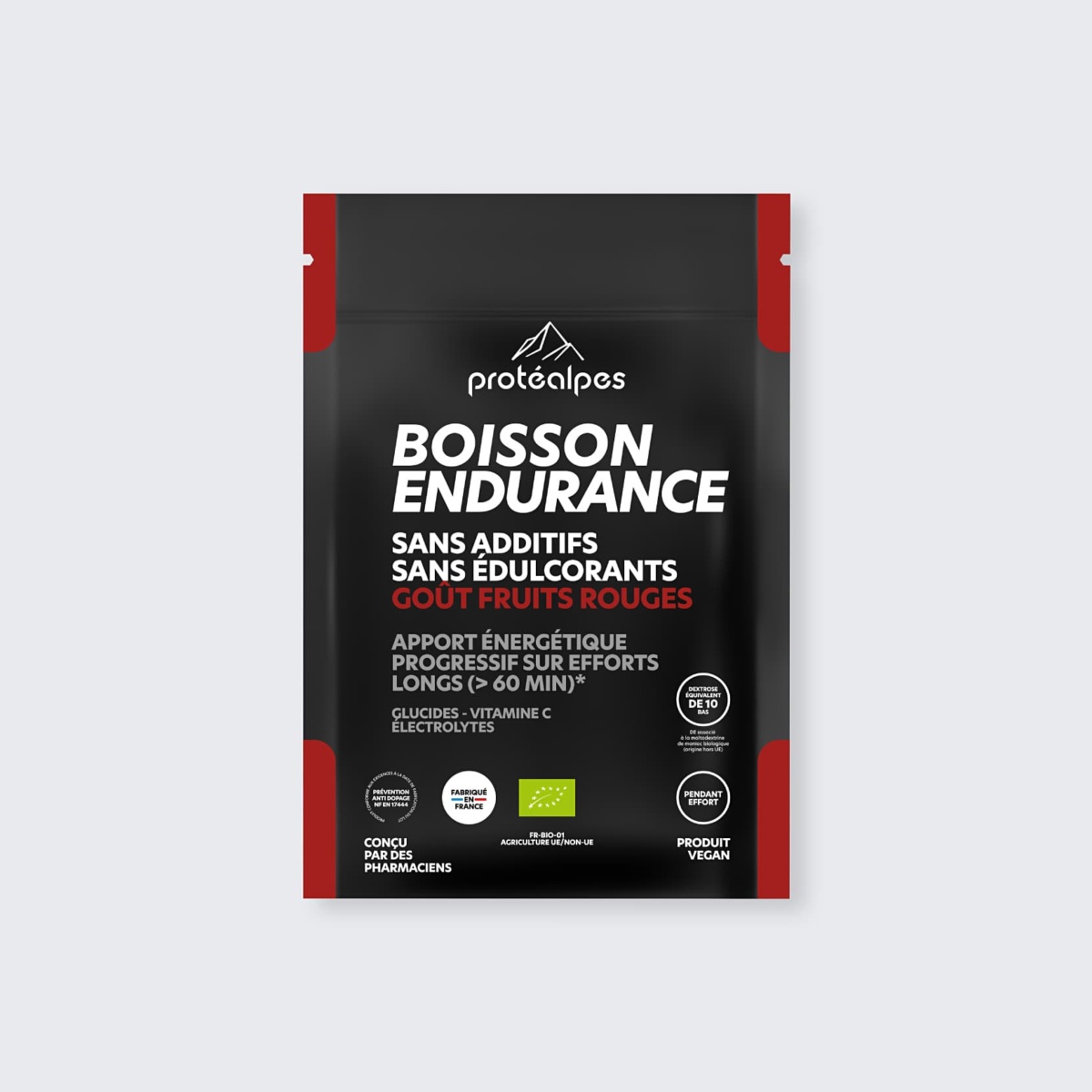
From this point of view, Protéalpes' Endurance Drink may be relevant. It contains electrolytes and carbohydrates in quantities that are suitable for enabling athletes to maintain their effort over time.
Risks in case of deficiency
It is even more important to pay attention to your mineral intake when you are an athlete, as deficiencies can have a negative impact on performance, even if the deficiency is only slight:
- Sodium: risk of hyponatremia, fatigue, muscle cramps(2)
- Potassium: muscle weakness, cardiac arrhythmia
- Magnesium: cramps, fatigue, decreased performance
- Calcium: increased risk of stress fractures, muscle weakness
It is important to note that mineral salt requirements vary depending on the individual, the type of sport practiced, and the intensity of training. Regular monitoring by a sports doctor or dietitian specializing in sports nutrition can help prevent deficiencies and optimize intake when necessary.
Conclusion
Mineral salts play an essential role in athletic performance and the overall health of athletes. A varied and balanced diet, rich in animal and plant-based foods, forms the basis of the recommended nutritional intake of essential minerals.
However, during intense, prolonged physical activity, particularly in summer weather conditions, special attention must be paid to hydration and the consumption of energy drinks containing electrolytes.
Below is a table summarizing the key points of the article:
| 🔑 Main function | 🏃 Minerals and their impact on the body |
|---|---|
| ⚡ Water balance | Sodium and chlorine regulate body water |
| 🧠 Nerve transmission | Sodium and potassium transmit nerve impulses. |
| 💪 Muscle contraction | Calcium, magnesium, and potassium essential for muscles |
| 🔄 Acid-base balance | Sodium, potassium, and magnesium stabilize pH. |
| 🩸 Oxygen transport | Iron helps transport oxygen via hemoglobin. |
| 🛡️ Cellular protection | Zinc and selenium act as antioxidants. |
| 🦴 Bone health | Calcium and phosphorus strengthen bones. |
| 🚀 Energy summary | Zinc and magnesium promote energy production. |
| 🌡️ Hormonal regulation | Iodine is necessary for hormone production. |
| 🏋️♂️ Athletic performance | Balanced nutrition optimizes physical performance |