


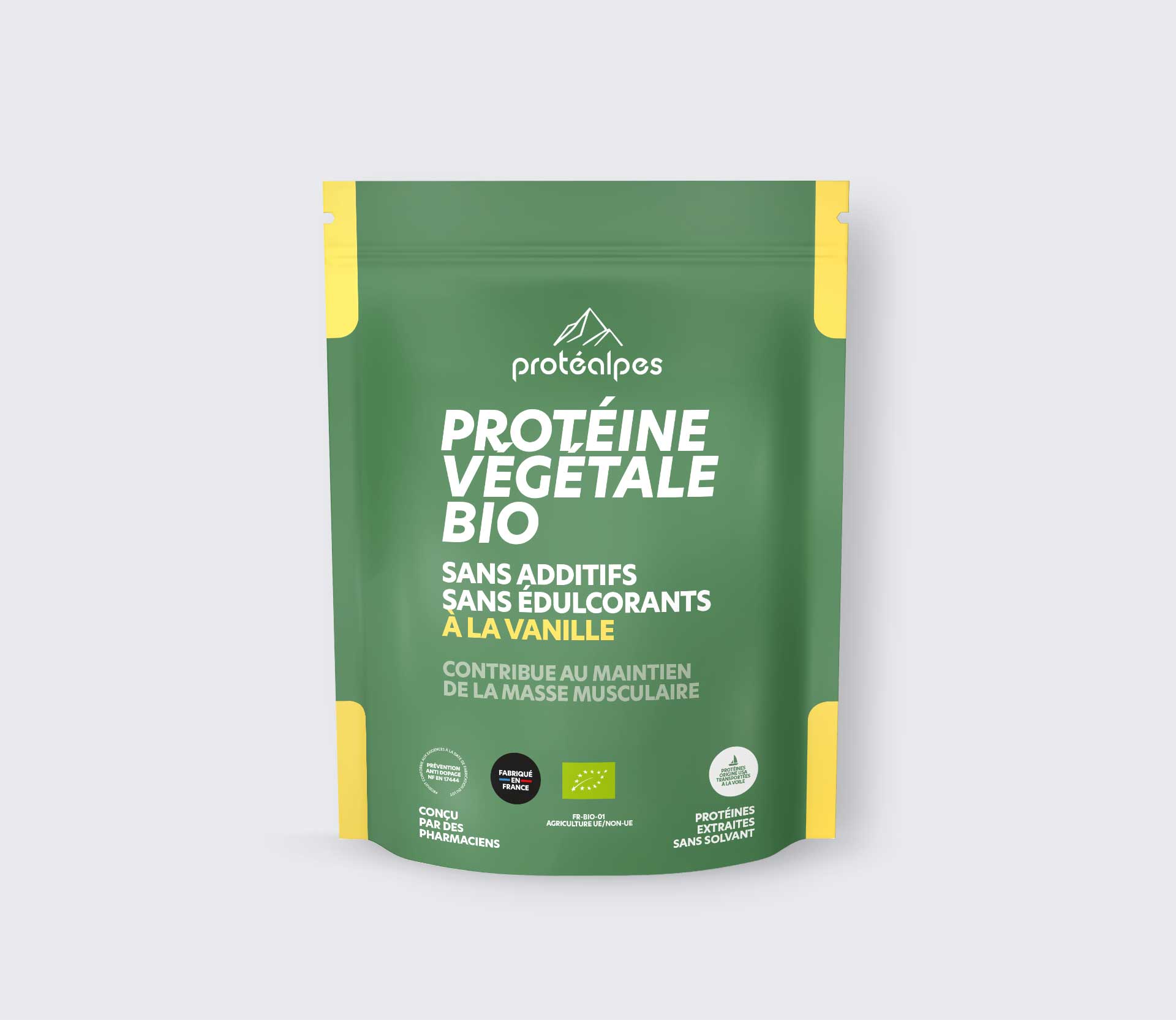
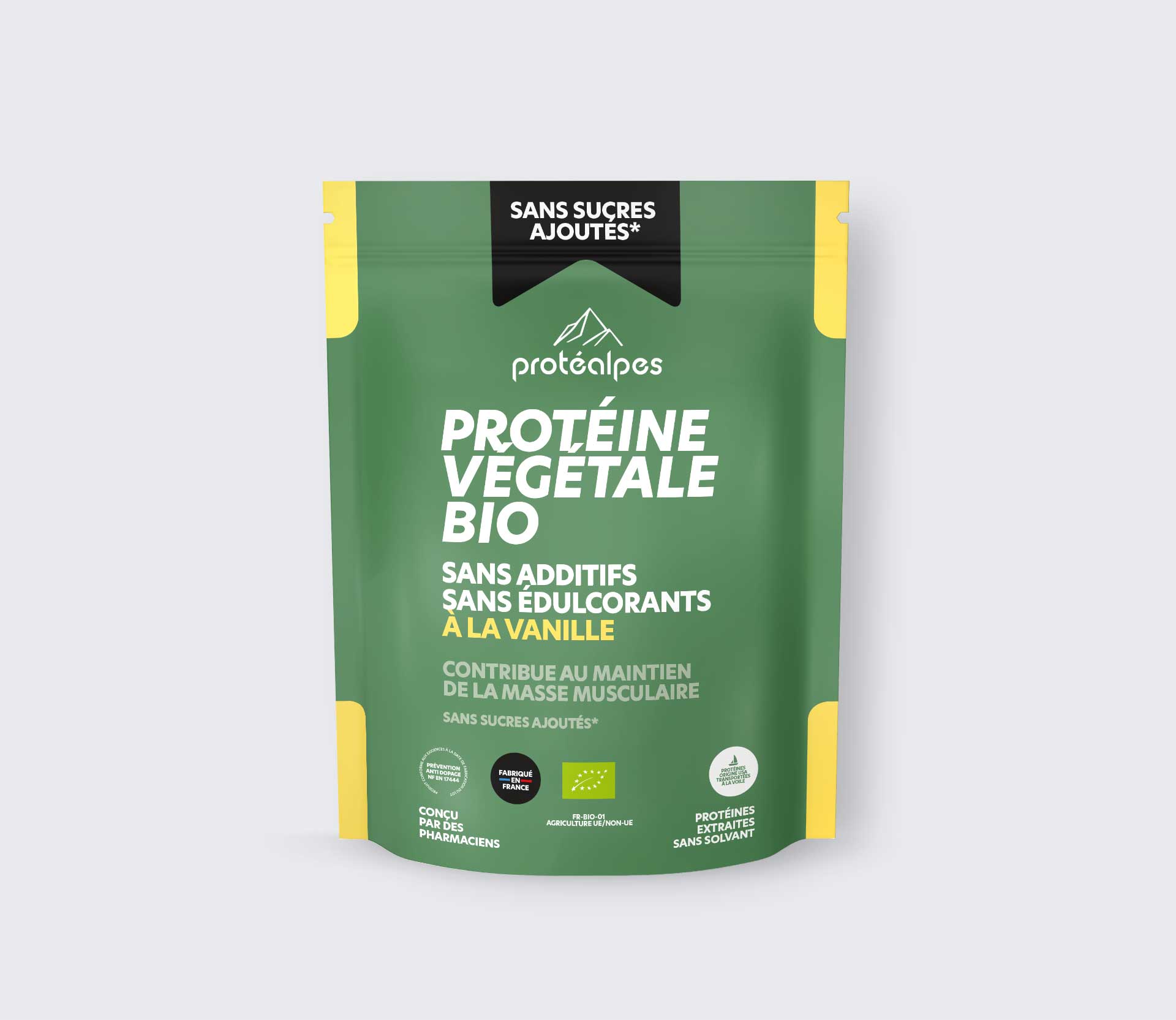
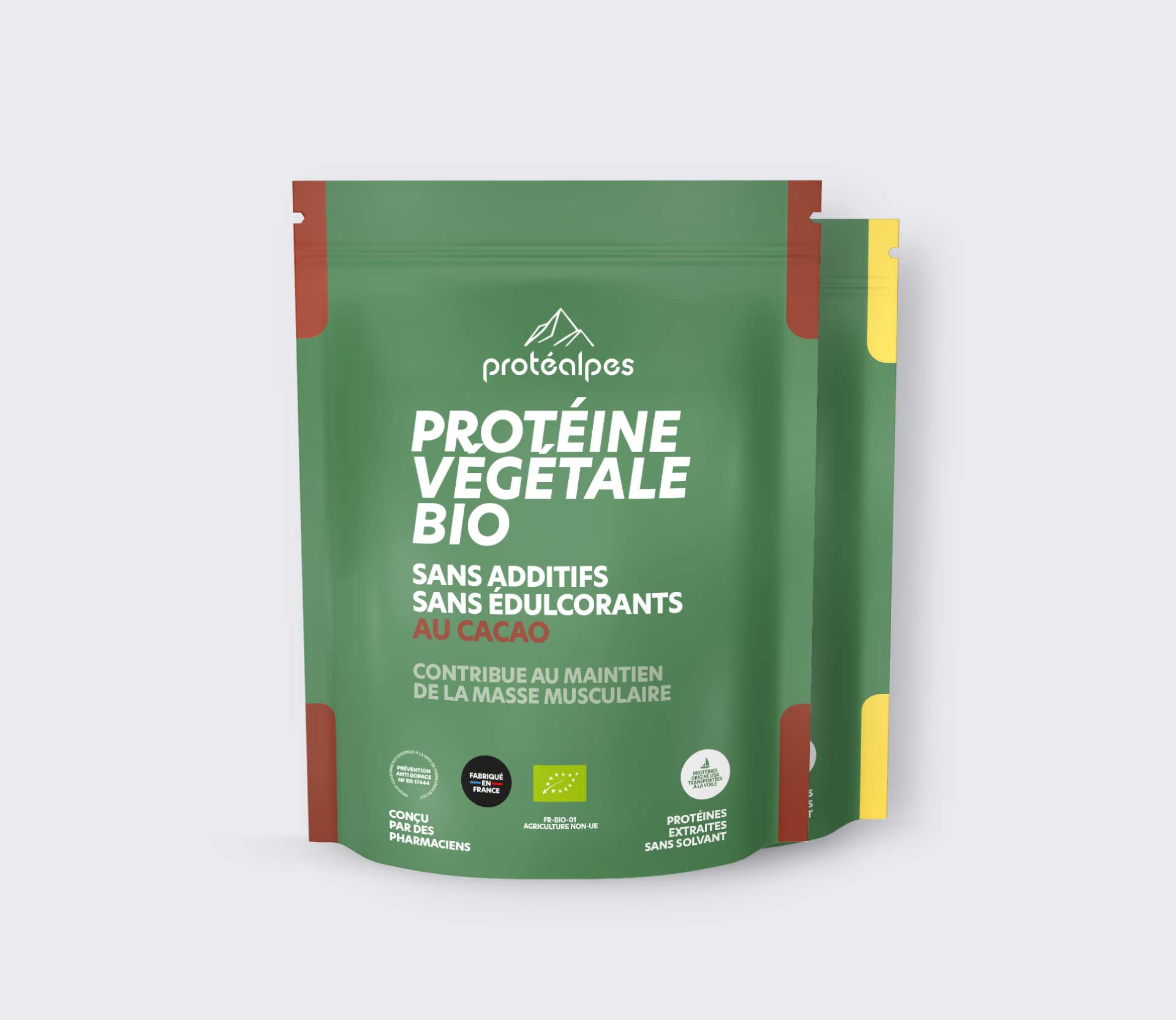
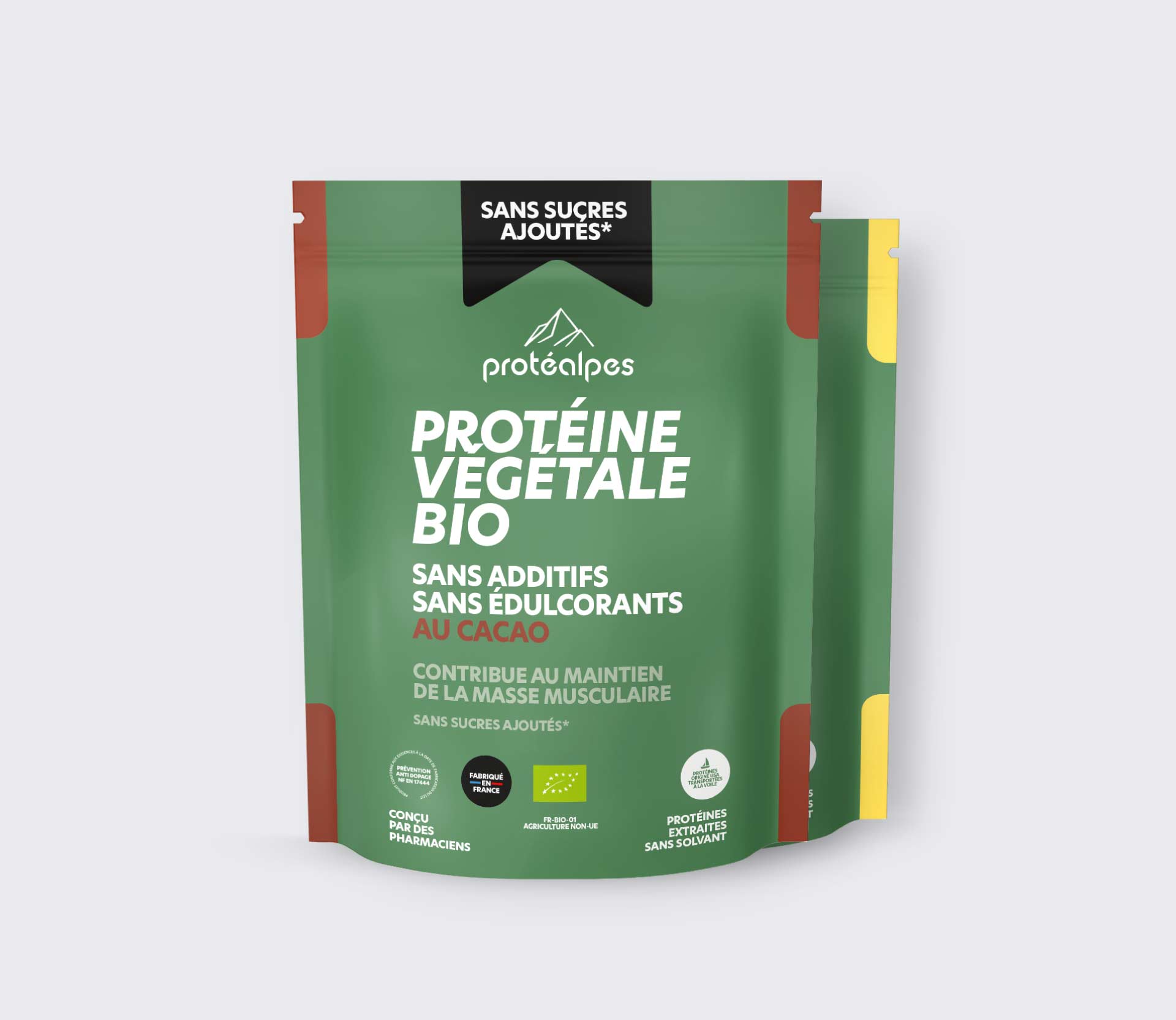









36.6 g
Carbohydrates per serving
230 mg
Electrolytes per serving
68 mg
Vitamin C per serving
 | Vegan |
 | No additives, no sweeteners |
 | Dissolves easily in a flask or pouch |
 | Laboratory-tested osmolarity |
 | Low DE associated with organic cassava maltodextrin |
 | Standard anti-doping products |
In detail
- Solution of carbohydrates, electrolytes and natural, organic vitamin C
- Cassava maltodextrin (DE10), progressive carbohydrate intake
- Light, thirst-quenching red-fruit taste
- Additive-free, gluten-free and doping substance-free
Ingredients
Powdered preparation for carbohydrate drinks
- Cassava maltodextrin*, whole cane sugar*, natural red fruit flavour*, acerola powder*, unrefined sea salt.
*Organic agricultural ingredients
Certified by FR-BIO-01
Gluten-free - May contain traces of milk proteins
No sweeteners (sucralose, aspartame, acesulfame k, steviol glycosides...).


Discover also
-

Pro recovery with decaffeinated coffee
Gluten-free, High protein
39,95€
800 g
-

Pro recovery strawberry flavor
Gluten-free, High protein
39,95€
800 g
-

Vanilla Pro recovery
Gluten-free, High protein
39,95€
800 g
-

Pro recovery au cacao
Gluten-free, High protein
39,95€
800 g
-

Pro recovery caramel taste
Gluten-free, High protein
39,95€
800 g
Very detailed description
Ingredients
Powdered preparation for carbohydrate drinks
- Cassava maltodextrin*, whole cane sugar*, natural red fruit flavour*, acerola powder*, unrefined sea salt.
*Organic agricultural ingredients
Certified by FR-BIO-01
Gluten-free - May contain traces of milk proteins
No sweeteners (sucralose, aspartame, acesulfame k, steviol glycosides...).
The best for energy intake over a long effort (>60 min)
Endurance athletes need an adapted energy intake during exercise,
when the effort exceeds 60 minutes.
Organic cassava maltodextrin is an excellent source of carbohydrates (in the form of glucose, oligosaccharides and other polymerized oses) for endurance effort. Thanks to its low dextrose equivalent, cassava maltodextrin stands out from other maltodextrins (corn or potato starch maltodextrin, for example) for its ability to deliver carbohydrates more continuously over time. Over a long effort, it can be used on its own or with other energy supplements, as required.
Thanks to its light, non-nauseating taste, the organic red-fruit endurance drink is easily and pleasantly absorbed during long periods of exertion.
- Maintaining performance during exercise
- Balanced blend of carbohydrates, electrolytes, vitamin C (via organic acerola)
- Progressive carbohydrate absorption
Average nutritional values
Average nutritional values | Per 100 g | Per 40 g serving |
Energy | 1574 kJ/376 kcal | 630 kJ/150 kcal |
Fats and oils | 0 g | 0 g |
of which saturated fatty acids | 0 g | 0 g |
Carbohydrates | 91,5 g | 36,6 g |
of which sugars | 36,6 g | 14,6 g |
Protein | 0 g | 0 g |
Salt | 1,4 g | 0,6 g |
of which sodium | 576 mg | 230 mg |
Vitamin C | 170 mg | 68 mg |
Terms of use
- Add 1 serving of 40 g (2 measuring spoons = 1 serving), then add enough liquid to make 500 ml
- Mix with a shaker. Shake from bottom to top 3 to 4 times maximum.
- Finish with light circular movements of the shaker*.
You can adapt these dosages to your specific needs (from 40 g/500 ml to 60 g/500 ml, the mixture will NOT be hypertonic).
Product Reviews

-
 Gabriel R.
Published on November 11, 2025, at 6:23 pm ( Order date: October 27, 2025, at 5:50 pm)Excellent
- Magali W.
Published on November 8, 2025, at 6:12 pm ( Order date: October 29, 2025, at 1:58 pm)I love the taste, very good product. I will recommend.
- Vadim L.
Published on October 13, 2025, at 2:15 pm ( Order date: September 30, 2025, at 7:57 pm)SUper
- Amandio C.
Published on July 1, 2025, at 6:14 a.m. ( Order date: June 16, 2025, at 5:43 p.m.)Good drink.
- Tanya S.
Published on June 3, 2025, at 10:02 pm ( Order date: May 21, 2025, at 1:38 pm)Very good!
- Anna F.
Published on May 25, 2025, at 5:53 pm ( Order date: May 11, 2025, at 12:49 pm)Very good product! Not too sweet and effective! It was recommended to me by a sports nutritionist! I will recommend it 🙂

Athletes' opinions
Frequently Asked Questions About These Products
Can I drink endurance drinks if I have allergies, am vegetarian, vegan, or lactose intolerant?
It all depends on your situation; here’s how to decide.
Milk protein allergy: proceed with caution. The recipe itself does not contain milk, but the label indicates that the product may contain traces of milk protein. We do not recommend it, unless your allergist advises otherwise.
Other allergies: The list of ingredients (whole cane sugar, cassava maltodextrin, natural flavor, unrefined sea salt, acerola powder) does not include any of the 14 regulated allergens. The product is also gluten-free.
Lactose intolerance: The formula contains no lactose. Any traces are minimal, well below the 12 g per serving that most people with lactose intolerance can digest without noticeable symptoms, according to the EFSA. If you have a particular sensitivity, consult a healthcare professional.
Vegetarian or vegan: yes. All ingredients are of plant or mineral origin; the “may contain traces” statement only indicates a risk of cross-contamination.
Neutral malt or red berry malt: which one should you choose?
Both are made from the same base ingredient: organic cassava maltodextrin. But they have different uses.
The “Neutral” version is the raw product: cassava maltodextrin (DE 10) and acerola powder for natural vitamin C—nothing else, no added flavorings or vitamin C. It’s used to prepare for exercise, providing a carbohydrate load before a race, or as a base for a homemade sports drink.
The “Red Berries” flavor is a ready-to-use endurance sports drink: cassava maltodextrin and unrefined whole sugar to provide a variety of carbohydrate sources, plus vitamin C and electrolytes. It’s ideal for activities lasting more than 60 to 90 minutes: trail running, road running, cycling, triathlon…
During exercise: How many carbohydrates should be included in the drink?
The recommended option: red berries, with vitamin C and electrolytes.
For exercise lasting more than one hour, aim for at least 50 g of carbohydrates per hour, from all sources combined (bars, glucose-rich gels, drinks, etc.). This guideline can be adjusted based on the athlete, their training, the race profile, and what their digestive system can tolerate.
What about protein? During exercise, protein is generally not recommended, except in ultra-endurance events lasting more than 5 to 6 hours, where a solid or liquid protein intake is advised. In other cases, the benefits of consuming protein during exercise have not been proven, even though the idea persists.
The right time for protein is after exercise: a whey protein supplement—which is quickly absorbed—combined with a good source of carbohydrates is beneficial for endurance athletes. Protein helps maintain muscle mass, and without strength training, there’s no particular risk of gaining excess muscle mass.
Are endurance drinks fortified with BCAAs?
No BCAA fortification is included in Protéalpes endurance drinks: the nutrition facts panel lists 0 g of protein, and the formula contains no isolated amino acids. It combines two sources of carbohydrates—cassava maltodextrin and whole cane sugar—along with unrefined sea salt, acerola powder, and a natural flavoring.
This approach is tailored to the needs of endurance athletes: during exercise, carbohydrates and hydration take priority over everything else. Protein intake during exercise is only justified for sessions lasting more than five to six hours (ultra-endurance); for shorter durations, its benefits are not firmly established. Taken on their own, BCAAs also offer limited benefits, falling far short of those provided by complete proteins consumed in sufficient quantities—approximately 25 g per serving.
Amino acids are therefore more relevant during the post-workout period: whey protein, each serving of which naturally provides 5 to 6 g of BCAAs, combined with a source of carbohydrates, is a better choice for this purpose.
Carbohydrate Loading Before a Competition: How Many Carbohydrates?
The right tool: neutral cassava maltodextrin.
The principle: for an effort lasting more than 60 minutes, a few days of a high-carbohydrate diet help maintain performance. For a marathon or a comparable long-distance event, aim for 8 to 9 g of carbohydrates per kilogram per day—from all sources—for the 3 days leading up to the race, which is enough to replenish glycogen stores. For an ultra-distance event (Ironman, ultra-trail, etc.), the maximum intake can be set at 12 g/kg per day over those three days: anything more offers no additional benefit. In team sports (handball, soccer, hockey, rugby, etc.), 6 to 8 g/kg over the 24 hours before the game is sufficient.
In practice, meals provide most of these carbohydrates—preferably from foods with a relatively low glycemic index—and maltodextrin, a white, flavorless powder, supplements the intake. Adding more or less water changes its texture.
And vitamin C—where does it come from?
It comes from organically grown acerola powder: this small fruit is naturally rich in vitamin C, and we do not add any additional vitamin C. The vitamin C in a food product can come from synthetic sources, natural sources, or a combination of both; we have chosen the natural route, out of a commitment to quality, as we do with all of our ingredients.
