








23,7 g
Protein per serving
5,9 g
BCAA per serving
49,6 g
Carbohydrates per serving
 | Protein from milk from pasture cows in the Rhône-Alpes region of France |
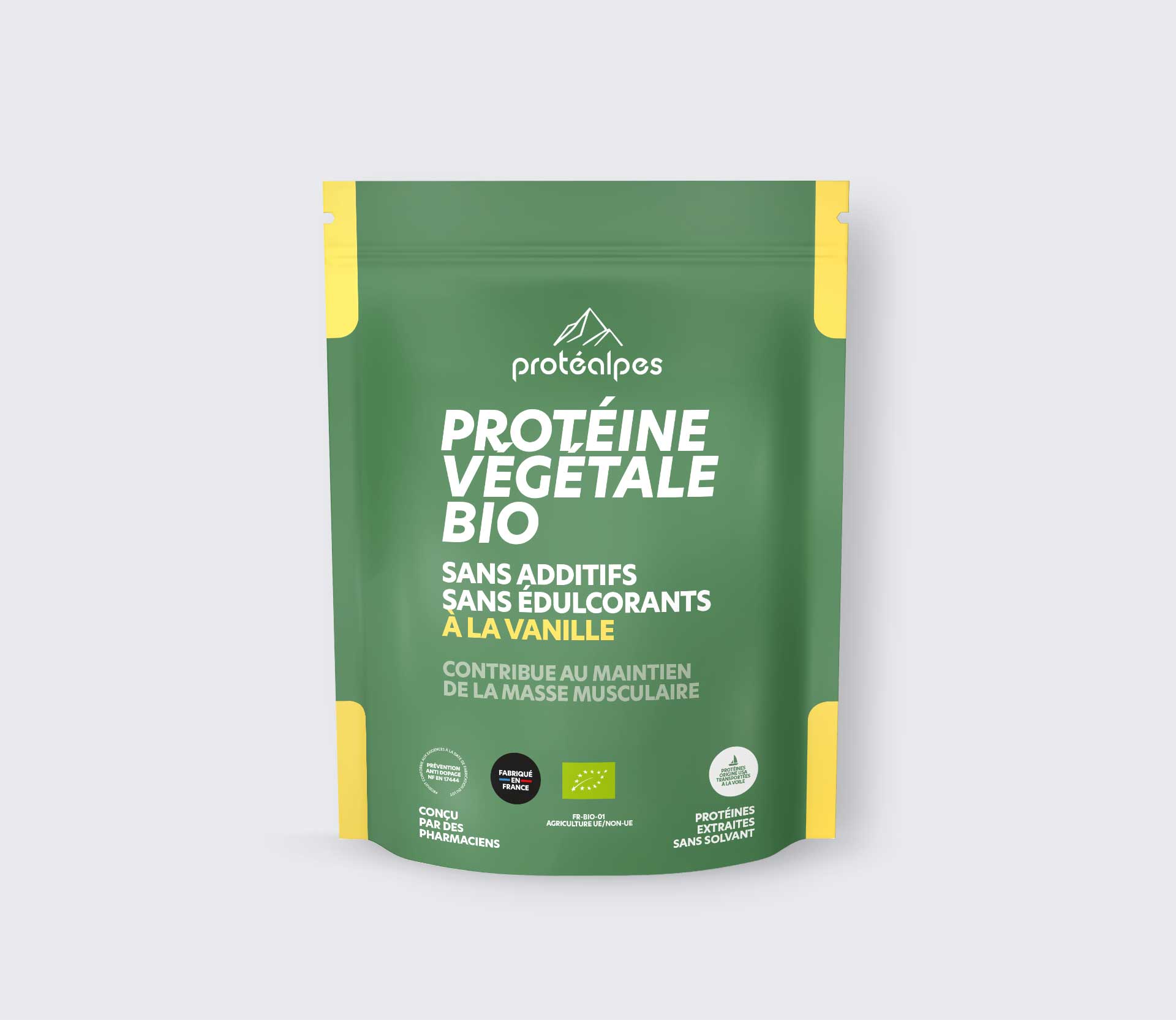
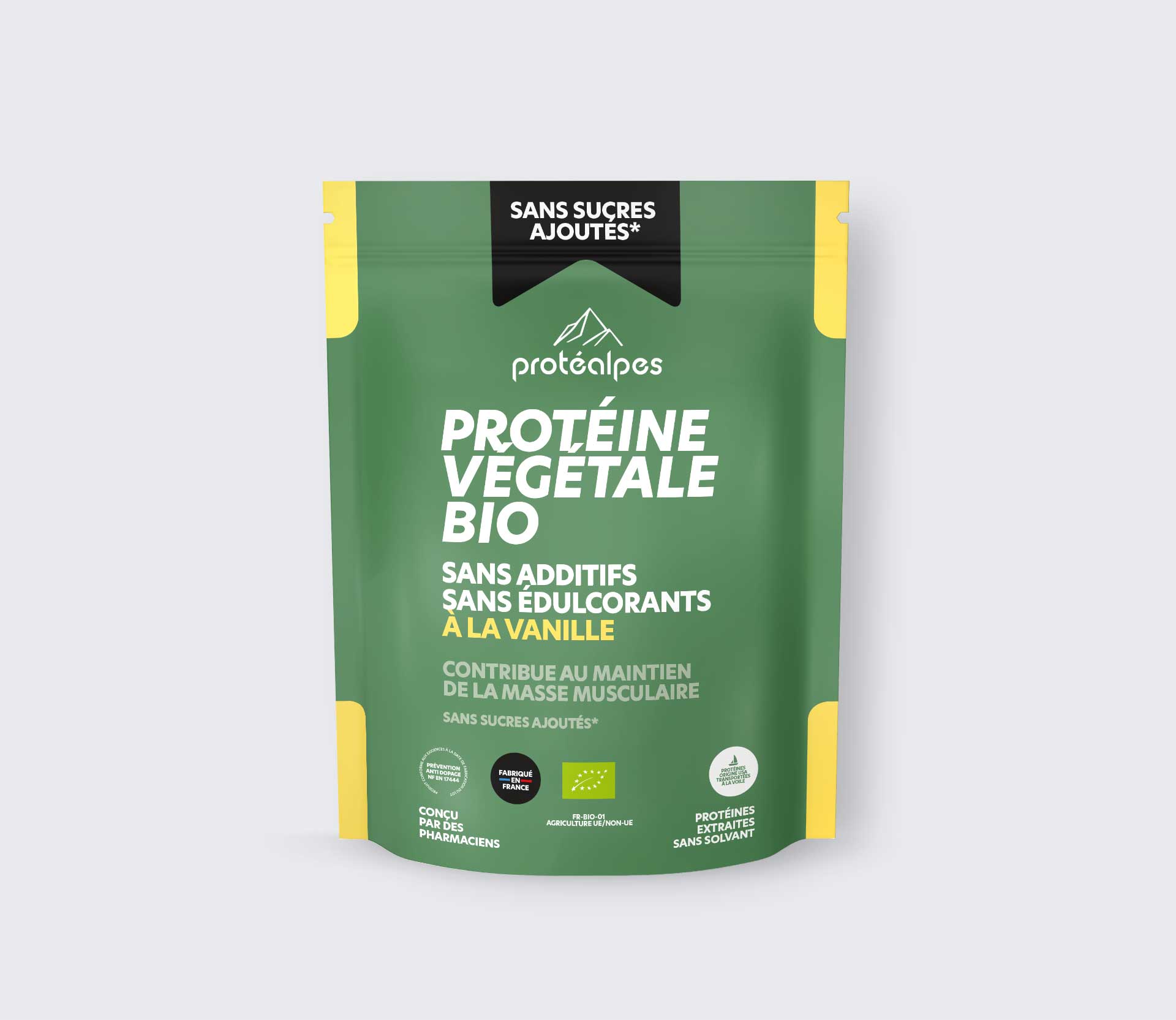
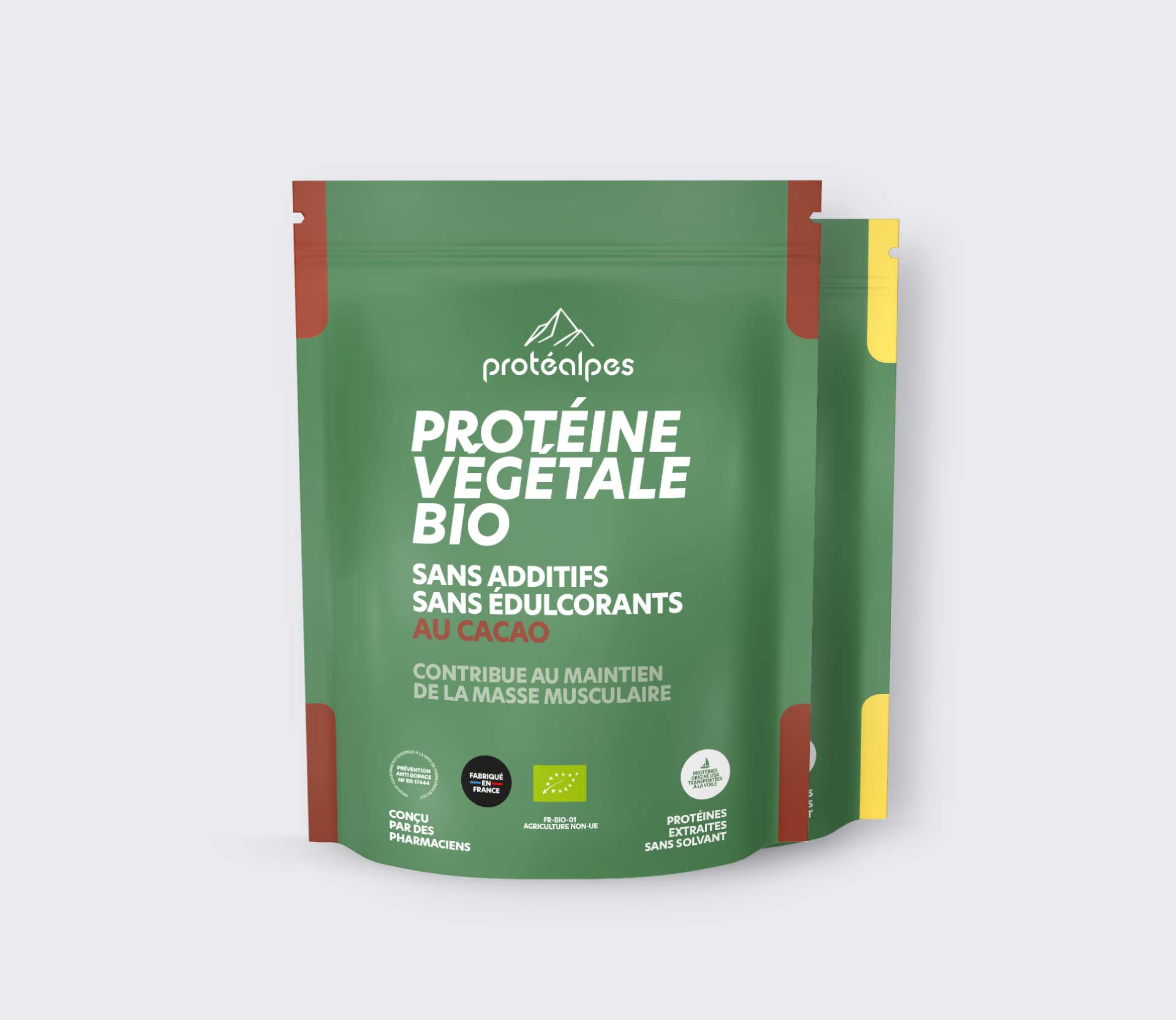
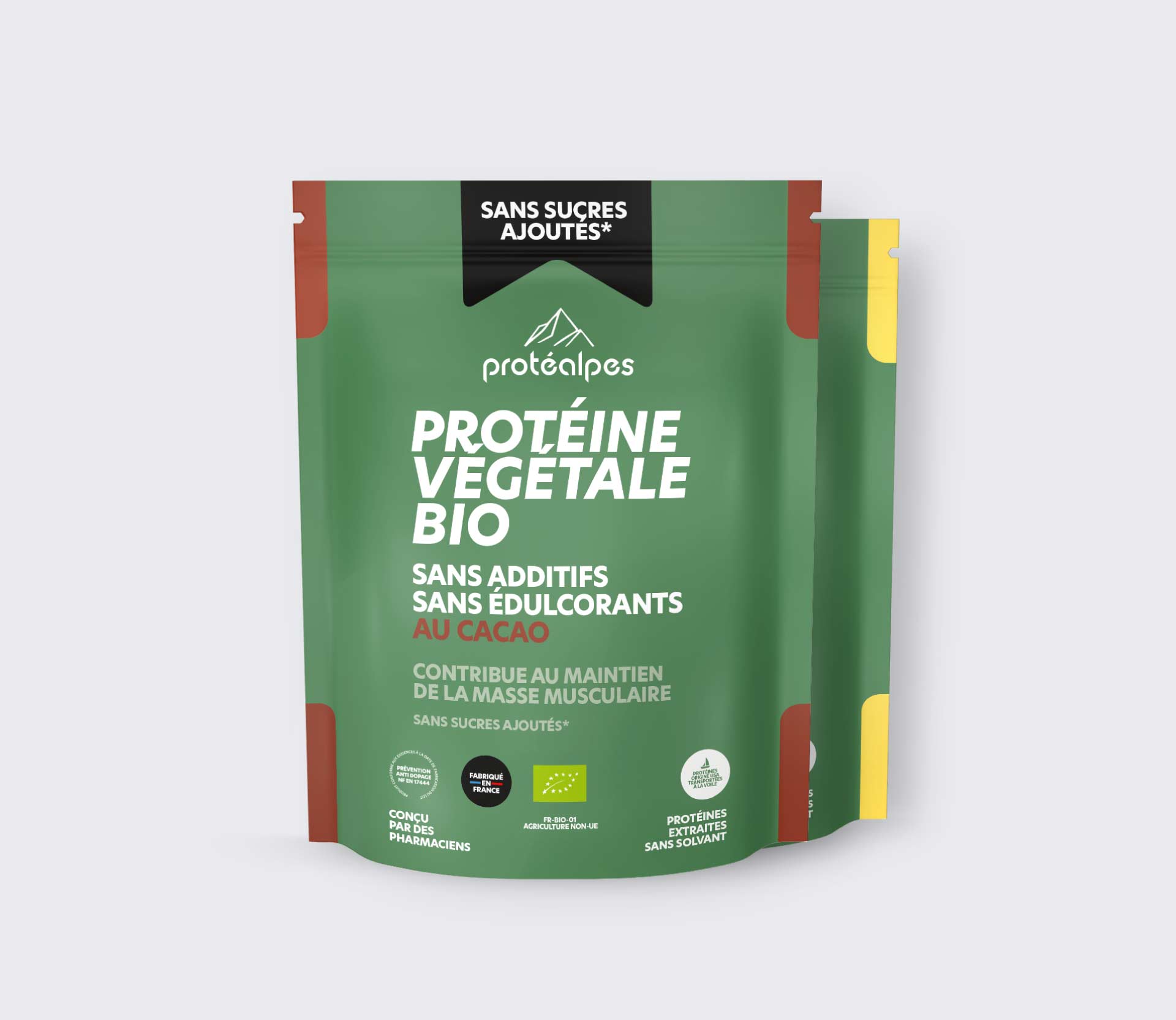
 | No additives, no sweeteners |
 | Dissolves easily in milk or water, without lumps |
 | Quality amino acids, rich in BCAAs |
 | Ideal for recovery from high-intensity endurance sports |
 | Standard anti-doping products |
In detail
- Protein-rich, additive- and gluten-free, standardized doping substance-free
- Complete muscle recovery (glycogen replenishment, muscle fiber repair, rehydration)
- 2:1 carbohydrate-to-protein ratio, ideal for post-workout high-intensity endurance training
- Protein isolate from Rhône-Alpes pasture milk, produced and packaged by Protéalpes in Albertville.
Ingredients
Powdered preparation, rich in carbohydrates and whey protein - Caramel taste
- Whey protein isolate (36%)*, corn maltodextrin, whole cane sugar, natural flavour, coconut flour
*Protéines de lait. (Concentration en lactose < 3 %)
No sweeteners (sucralose, aspartame, acesulfame k, steviol glycosides...)
Gluten-free


Very detailed description
Ingredients
Powdered preparation, rich in carbohydrates and whey protein - Caramel taste
- Whey protein isolate (36%)*, corn maltodextrin, whole cane sugar, natural flavour, coconut flour
*Protéines de lait. (Concentration en lactose < 3 %)
No sweeteners (sucralose, aspartame, acesulfame k, steviol glycosides...)
Gluten-free
The best for muscle recovery after high-intensity endurance exercise
After a high-intensity endurance effort (running, post-match, specific training with glycogen depletion), it is recommended to increase the carbohydrate ratio in recovery nutrition.
A 2:1 intake (carbohydrates:protein), based on a standard dose of 23 g of protein, represents in this case an ideal post-exertion intake.
- Improving aerobic performance
- Muscle recovery, optimizing the beneficial effects of exercise
- Reduce body fat to lean mass ratio, control weight
Respect for the environment, animals and people

- Low concentration of animals in Rhône-Alpes pastures (up to 2,500 m)
- Small-scale farms in the French Alps (exclusively in the Rhône-Alpes region)
- Traditional breeds with lower yields (Tarines, Abondances), adapted to mountain environments
- Traditional grass and hay diet from the geographical area, GMO-free
- Consistency and sustainable development of the agricultural system in harmony with its environment and the times
What's the difference with other products on the market?
We deal directly with a union of dairy producers (Union des Producteurs de Beaufort), which means we don't go through intermediaries, wholesalers or milk giants. This unique proximity to local primary producers ensures total traceability.
We carefully manufacture our nutrition products in Albertville, in the heart of the Alps. The fact that we use no subcontractors and keep and control all stages of production in-house means that we can control the quality of our nutrition products, and in particular that we are certified to NF EN 17444 (formerly NF V94-001), a European anti-doping sports standard.
This standard certifies the absence of doping contaminants in our products, bearing in mind that on average, 15% of dietary supplements on the market contain doping substances such as anabolic steroids (1).
(1) Int J Sport Med. - 2004 - Geyer et al - Analysis of non-hormonal nutritional supplements for anabolic-androgenic steroids - results of an international study - Professional

Average nutritional values
Average nutritional values | Per 100 g | Per 80 g serving |
Energy | 1616 kJ/386 kcal | 1290 kJ/308 kcal |
Fats and oils | 1,8 g | 1,5 g |
of which saturated fatty acids | 1,4 g | 1,2 g |
Carbohydrates | 62,0 g | 49,6 g |
of which sugars | 32,3 g | 25,8 g |
Protein (Nx6.25 on wet matter) - Regulation (EU) 1169/2011 | 29,6 g | 23,7 g |
Protein (Nx6.38 on dry matter) - Indicative | 31,1 g | 24,9 g |
Salt | 0,3 g | 0,2 g |
Average amino acid content
Average amino acid content per 80g serving | ||||
BCAA | Isoleucine | 1,6 g | Histidine | 0,5 g |
Leucine | 2,8 g | Lysine | 2,5 g | |
Valine | 1,5 g | Methionine | 0,6 g | |
Aspartic acid | 2,8 g | Phenylalanine | 0,8 g | |
Glutamic acid | 4,5 g | Proline | 1,6 g | |
Alanine | 1,4 g | Serine | 1,4 g | |
Arginine | 0,7 g | Threonine | 1,9 g | |
Cysteine | 0,7 g | Tryptophan | 0,5 g | |
Glycine | 0,5 g | Tyrosine | 0,7 g | |
Terms of use
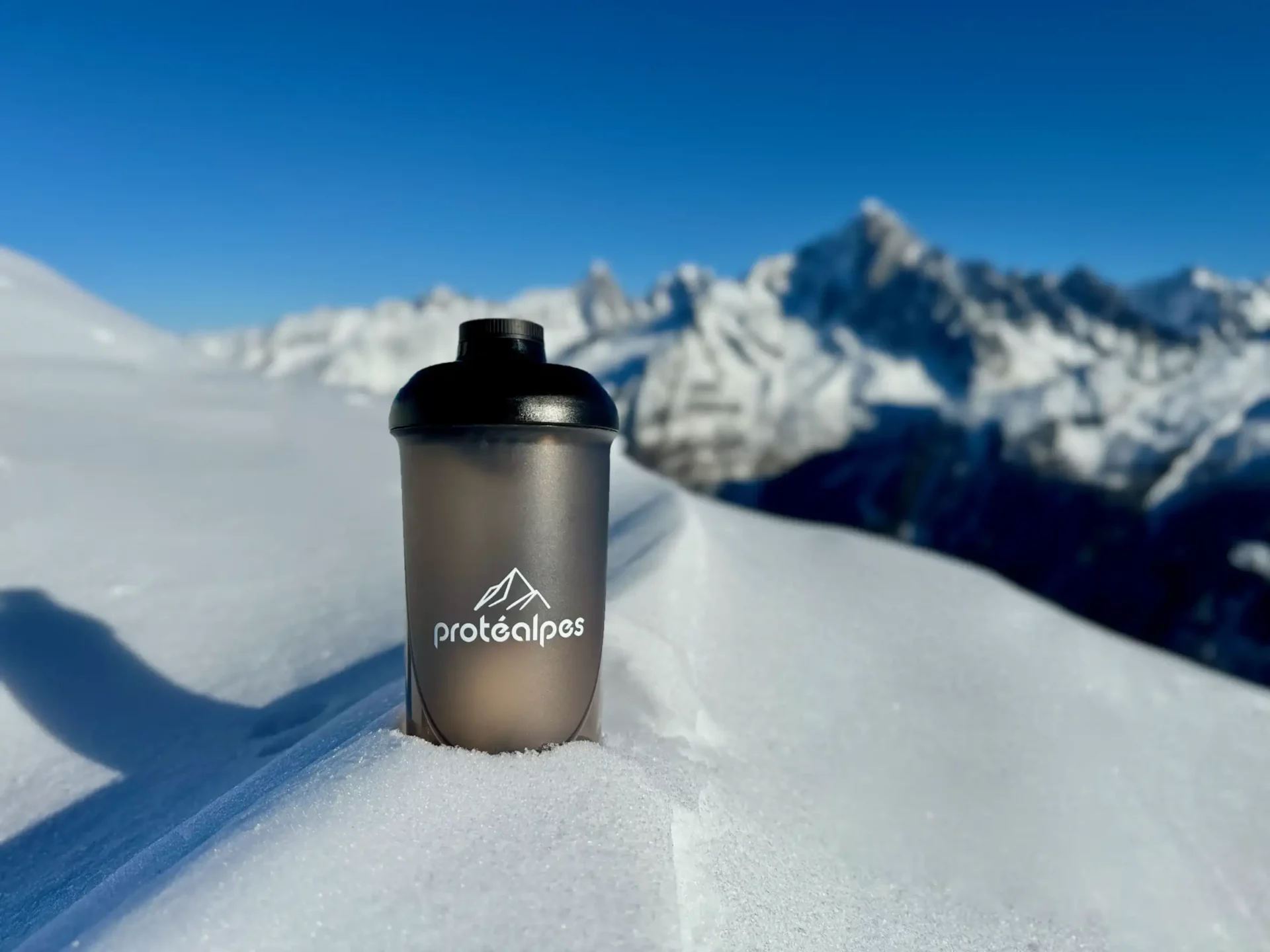
- Pour 400 ml of liquid into a shaker, then add 2 scoops of Pro Recovery
- Mix with a shaker. Shake from bottom to top 3 to 4 times maximum.
- Finish with light circular movements of the shaker
Ideally, consume between 30 minutes and 3 hours after exercise. Avoid consuming just before a meal, as the appetite-suppressant effect may reduce the amount consumed during the traditional meal.
Certificates & labels
- Certificate of origin Whey protein Protéalpes (PDF)
- Protéalpes manufacturing certificate (PDF)
- Protéalpes packaging certificate (PDF)
- Pro Recovery vanilla label 800g Protéalpes
- Pro Recovery cocoa label 800g Protéalpes
- Pro Recovery decaffeinated coffee label 800g Protéalpes
- Pro Recovery label caramel taste 800g Protéalpes
- Strawberry flavor Pro Recovery label 800g Protéalpes
Product Reviews

-
 Julien P.
Posted on December 7, 2025, at 5:42 p.m. ( Order date: November 26, 2025, at 9:09 p.m.)Top!
- Rashad A.
Published on November 9, 2025, at 7:23 a.m. ( Order date: October 29, 2025, at 6:35 p.m.)Nothing to say
- Jean-Charles A.
Published on September 28, 2025 at 7:49 pm (Order date: September 16, 2025 at 8:23 pm)Great product
- Franck D.
Posted on May 30, 2025, at 5:03 p.m. ( Order date: May 18, 2025, at 7:09 p.m.)Very good
- DENIS C.
Posted on January 29, 2025, at 8:56 a.m. ( Order date: January 16, 2025, at 5:59 p.m.)An excellent product in every way. I just tried the caramel flavor and I love it. The vanilla flavor is perfect too.
Athletes' opinions
Discover also
-

Creapure® Creatine Powder
Gluten-free
Price range: €27.95 to €57.90
250 g - 83 portions
-

Organic cassava maltodextrin - Neutral
Gluten-free
24,95€
800 g
-

Whey protein vanilla - Classic range
Gluten-free, High protein
34,95€
750 g
-

Mass Gainer with cocoa
Gluten-free, High in calories, High in protein
54,95€
2 kg
-

Mass Gainer caramel flavour
Gluten-free, High in calories, High in protein
54,95€
2 kg
-

Mass Gainer strawberry flavour
Gluten-free, High in calories, High in protein
54,95€
2 kg
-

Whey protein with cocoa - Classic range
Gluten-free, High protein
34,95€
750 g
Frequently asked questions
Pro Recovery and Altitude Whey Protein: What's the Difference?
As for protein, there’s no difference: all our recovery products provide around 23 g per serving. It all comes down to carbohydrates.
Altitude Whey Protein (classic line) is the everyday product. It provides only the minimum amount of carbohydrates to complement its protein content and is suitable after low- to moderate-intensity workouts or strength training sessions.
Pro Recovery is the product for intense workouts. It adds about 50 g of high-glycemic-index carbohydrates, designed for use after very intense exercise, when glycogen stores have been heavily depleted. It’s meant for occasional use: after a game, a race, or a very hard workout.
What is protein isolate?
It is whey—that is, whey protein, a fraction of cow’s milk—in a highly concentrated form. Our whey is mechanically filtered (microfiltration and ultrafiltration) at cold temperatures. No heating is involved, which minimizes protein denaturation. Spray-drying takes about one millisecond. The result: a very fine powder.
The main proteins are beta-lactoglobulin, alpha-lactalbumin, bovine serum albumin, lactoferrin, and immunoglobulins. They are rich in essential amino acids and BCAAs (leucine, isoleucine, valine). These BCAAs play a role in muscle protein synthesis; as a result, bodybuilding was the first field to take an interest in them. It also contains a lot of glutamic acid, from which the body derives glutamine.
Are your products organic?
They are not certified organic because of the milk. Our ingredients are organic whenever possible (vanilla powder, corn maltodextrin, sugar, cocoa, etc.), which is verified and certified by Ecocert. The milk in our whey isolate, however, is not. We chose a local milk: that from the Union des Producteurs de Beaufort, our partner, sourced from an extensive farming system and the pastures of the Rhône-Alpes region. Organic milk would not have guaranteed us this level of local sourcing.
When should you take Pro Recovery?
The right window: within 30 minutes to 2 hours after a very intense workout (game, race, grueling training session). Be mindful of the serving size: one serving is 80 g of powder in 400 ml, which is more than a standard whey protein shake.
Three scenarios. A complete, balanced meal follows immediately after the workout and cannot be delayed: avoid taking Pro Recovery right before, as its appetite-suppressing effect would reduce your appetite for that meal. If you have at least 1 hour to 1 hour and 30 minutes before eating: you can take it; the appetite-suppressing effect should have worn off significantly by then. If your meal is inevitably right after your workout: save Pro Recovery for dessert.
One exception: if your planned meal isn’t very balanced (fast food, pizza, etc.), it’s better to opt for Pro Recovery—even right before—to avoid eating less afterward.
Any added BCAAs?
No. There are no added proteins or amino acids. The BCAAs (leucine, isoleucine, valine) come from whey, which is naturally rich in them—more so than most plant-based proteins. Cocoa and the other ingredients contribute very little.
A little foam in the shaker: why?
This is because proteins foam when they come into contact with a liquid, depending on their purity. Heat intensifies this phenomenon: it alters the arrangement of proteins in water. Many products contain lecithin—often soy lecithin—to prevent this. It’s an emulsifying additive: we don’t use it, nor do we use any processed soy derivatives. A little foam may therefore form. It will disappear on its own.
Our tips: Store the packet in a cool, dry place (cellar, or refrigerator if it’s tightly sealed); this poses no risk to the powder. Add the liquid first, then the powder; mix according to the package instructions.
