





What is a mesomorph? When we talk about body types, the mesomorph is often associated with an athletic build, well-developed musculature, and a naturally robust physique.
This body type, described by the American psychologist William Herbert Sheldon in his classification of somatotypes, is characterized by broad shoulders, a defined waist, and a sturdy bone structure. The mesomorph’s metabolism—neither particularly fast nor slow—allows them to build muscle and burn fat with relative ease.
However, this apparent ease does not replace the need for a structured training program or a balanced diet. The mesomorph body type has a genetic advantage, but it is lifestyle—physical activity, diet, and recovery—that determines long-term results.
In this article, we explore the characteristics of the mesomorph body type, comparing it to the other body types — ectomorph and endomorph. We detail the specific advantages and disadvantages of this body type before offering practical advice on training, nutrition, and supplementation to help mesomorphs make the most of their physical build.
In a nutshell
- The mesomorph is characterized by an athletic build, a natural predisposition for muscle development, and a sturdy bone structure.
- Most people have mixed body types (meso-ectomorph, meso-endomorph) rather than a pure body type. The classification into ectomorph, mesomorph, or endomorph remains a general guideline.
- The mesomorph body type is no guarantee of athletic performance: a structured strength training program and a proper diet are still essential.
- Without a disciplined diet, a mesomorph can gain body fat just as quickly as they build muscle.
- Science encourages the use of the morphotype as an educational starting point, never as a definitive diagnosis.
Contents
- The mesomorph and other body types
- Ectomorph
- Endomorph
- Mixed-race individuals: the reality for the majority
The mesomorph and other body types
The classification of body types, developed by William Herbert Sheldon in the mid-20th century, divides individuals into three broad categories:
- Ectomorph,
- Mesomorph,
- Endomorph.
Although this theory is widely used in the fields of bodybuilding and sports nutrition, it is scientifically disputed and lacks a solid scientific foundation.1
Nevertheless, it remains a useful tool for understanding the physical differences between individuals and tailoring training and nutrition accordingly.

Body type test
- 100% free trial
- Fast and online
Mesomorphic
The mesomorph is the quintessential athletic body type. Its physique is characterized by:
- broad shoulders and a V-shaped torso,
- naturally well-developed muscles, even with moderate exercise,
- a medium to sturdy build, with strong joints,
- a strong connective tissue that can withstand heavy loads,
- a moderate to low body fat percentage, with an equivalent caloric intake.
The mesomorph’s metabolism is balanced: they don’t burn calories as quickly as an ectomorph, but they don’t store them as easily as an endomorph. This characteristic gives them the ability to build muscle quickly and achieve naturally visible muscle definition when they train regularly.
When it comes to sports, mesomorphs excel in disciplines that require strength, power, and explosiveness: weightlifting, gymnastics, combat sports, and sprinting. Their physical build allows them to withstand intense training sessions and recover effectively between workouts.

Ectomorph
The ectomorph is characterized by a slender, long-limbed build, a delicate bone structure, long limbs, and naturally low muscle mass. Their fast metabolism makes it easier to lose weight but significantly more difficult to gain muscle mass.
Ectomorphs are often well-suited to endurance sports, such as running or cycling, where their lean build is an advantage.

Endomorph
Endomorphs tend to have a rounder body shape, a slower metabolism, and a natural tendency to store fat, particularly around the abdomen. They gain weight easily, which means they need to pay close attention to their diet and physical activity to maintain a healthy body weight.
On the other hand, endomorphs often have impressive baseline strength and recovery capacity when doing strength training.
Mixed-race individuals: the reality for the majority
It is important to note that most people do not fit into a single body type. Mixed body types are the norm:
- Mesomorph: an athletic yet slender build, with a natural ability to build muscle easily while maintaining a lean physique.
- Mesomorph: a solid, muscular build, but a tendency to store body fat if diet isn't managed properly.
- Ecto-mesomorph: slender build but progressive and visible muscle development with a tailored workout program.
Body type is not a fixed condition: exercise, diet, and lifestyle can change body composition over time. The theory of body types should not be seen as a barrier to physical transformation.
How can you tell if someone is a mesomorph? Telltale signs
Identifying a mesomorph body type involves observing several physical and metabolic characteristics. Here are the main telltale signs:
Body shape and composition
| Criteria | Mesomorphic physique |
|---|---|
| Overall appearance | Athletic, broad-shouldered, with a defined waist |
| Framework | Medium to sturdy, with strong joints |
| Musculature | Developed naturally, even without intensive training |
| Body fat | Moderate, distributed relatively evenly |
| Wrist circumference (approximate) | Intermediate (between 16 and 18 cm for men, between 14 and 16 cm for women) |
| Reaction during training | Visible and rapid gains in strength and muscle mass |
| Weight Management | Stable body weight with a normal diet |
Metabolism and Physiology
The mesomorph has a metabolism that is neither excessively fast nor particularly slow. The rapid absorption of nutrients, combined with a good balance between muscle mass and body fat, promotes responsive muscle growth when an appropriate training stimulus is applied. The mesomorph’s body responds effectively to strength training and recovers well between workouts, allowing for a relatively high volume and frequency of training.
It is worth reiterating that these characteristics represent general trends. Every individual is unique, and genetics interacts with numerous environmental factors—diet, sleep, stress, and physical activity levels—to determine actual physical fitness.
1. Which silhouette best matches your natural morphology?
Choose the figure that suits you best without intensive training
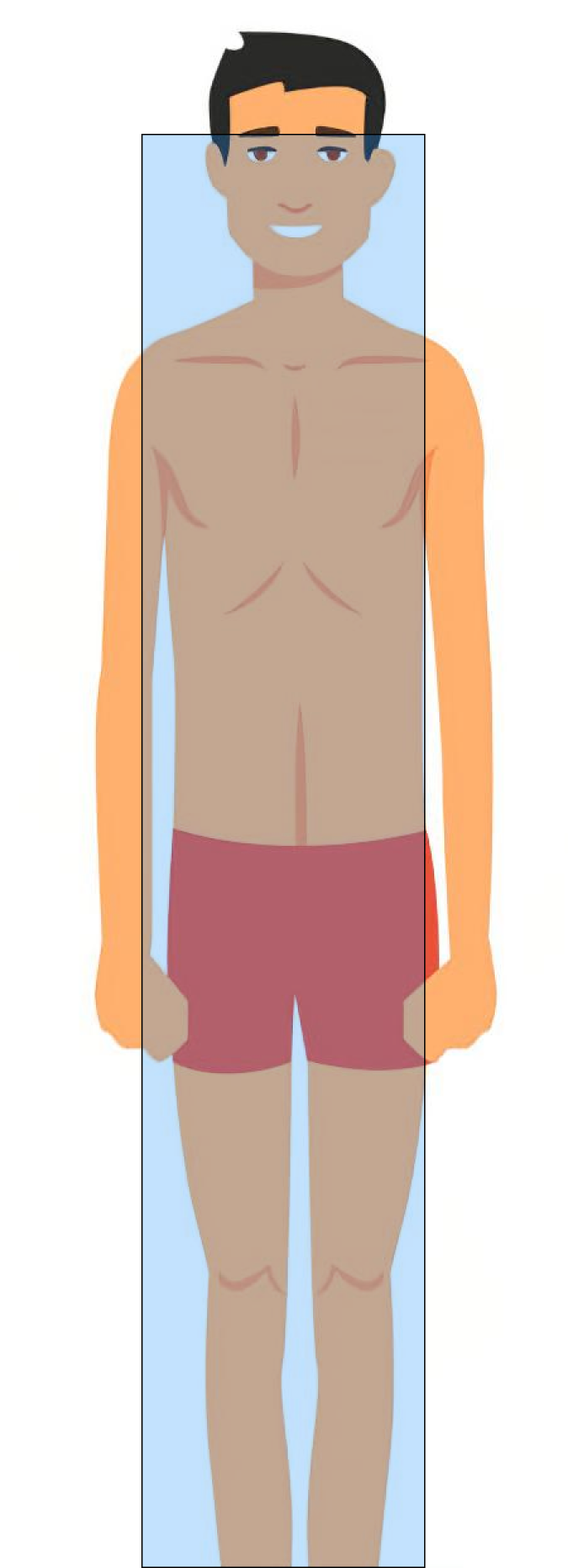 Slim and lanky
 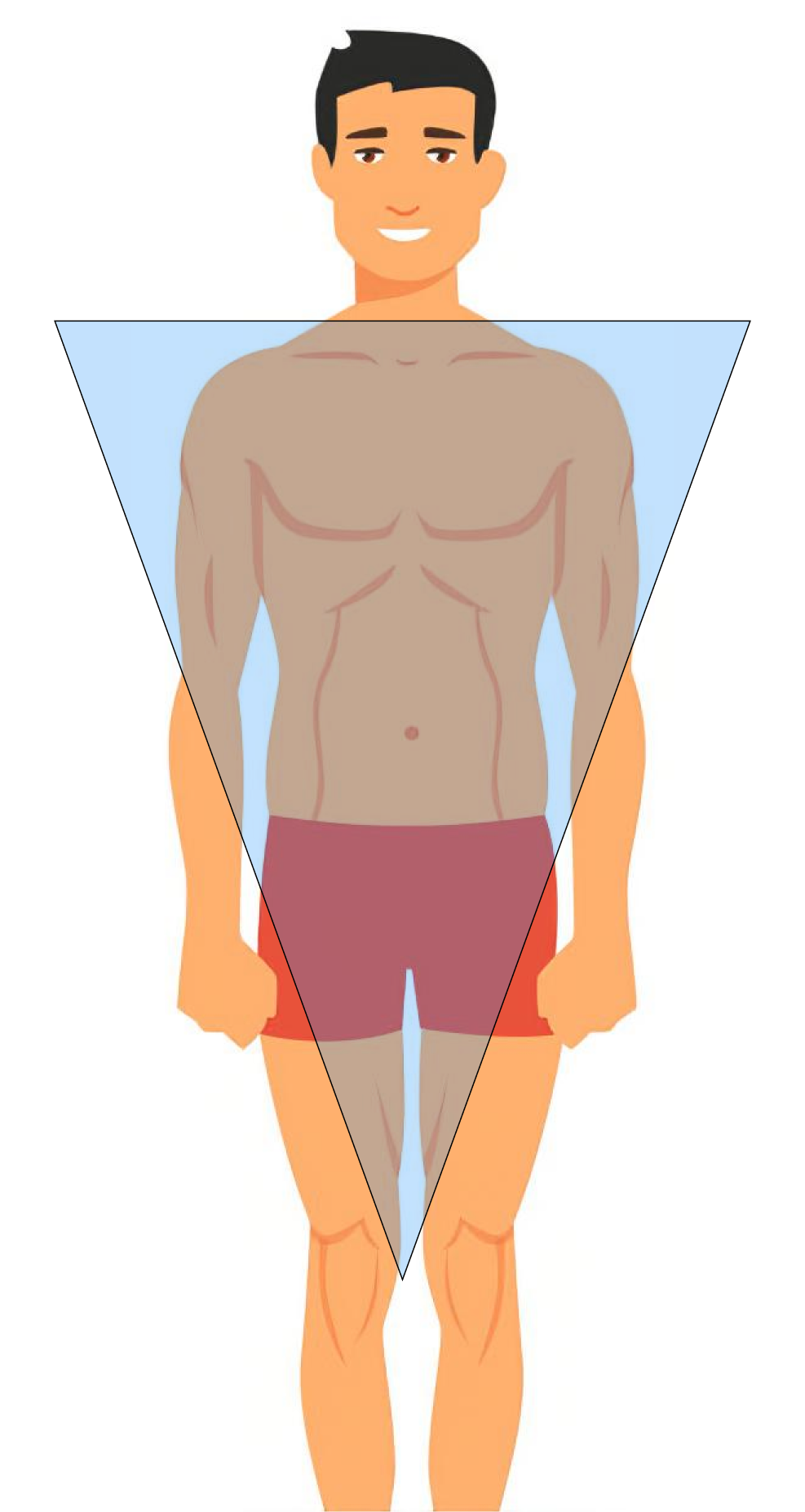 Athletic and muscular
 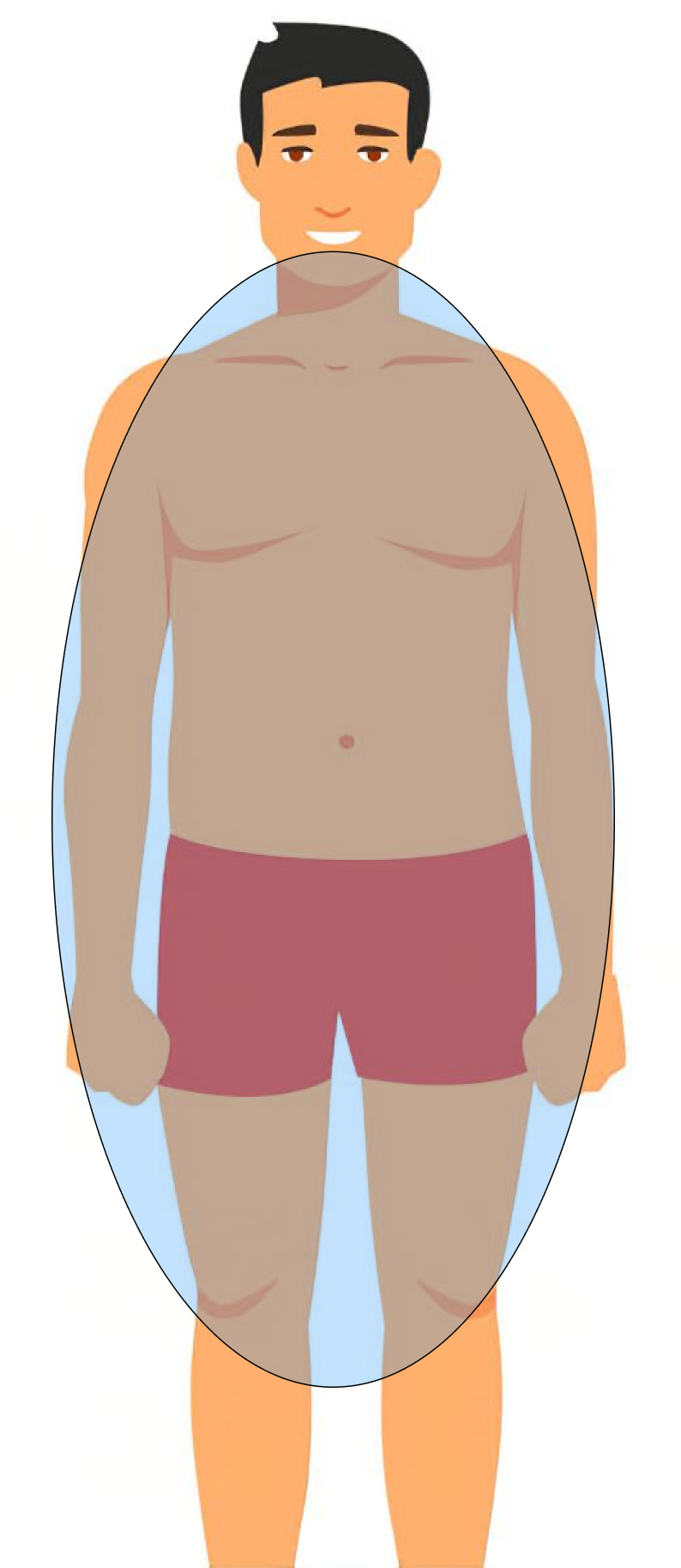 Solid and round
 2. How would you describe your muscle mass gain?
Think about your bodybuilding or strength sports experience
3. How would you describe your metabolism and weight management?
Think about your natural tendency to gain or lose weight
4. What is your bone structure?
Measure your wrist with the thumb and forefinger of your other hand
5. How does your body store fat?
Observe where you gain weight first during mass gain
6. How would you describe your natural appetite?
Think about your eating behavior without restrictions
7. How do you react to strength training?
Evaluate your bodybuilding progress and recovery
Your morphological profile
Other recommended calculators
Advantages and disadvantages of the mesomorph body type
The mesomorph body type offers undeniable advantages for athletic performance and muscle development, but it also comes with pitfalls that are often underestimated.
Benefits
1- Rapid muscle gain and easier muscle development. The mesomorph responds effectively to strength training. Muscle growth becomes visible relatively early on—within a few weeks of a structured program—which is a major motivator. Multi-joint exercises such as squats, bench presses, and deadlifts produce tangible results in every muscle group worked.
2 – Ability to burn fat with relative ease. The mesomorph’s balanced metabolism allows them to adjust their body composition without excessive effort. During a cutting phase, weight loss and fat reduction are generally gradual and predictable when calorie intake is controlled.
3 – Quick recovery between workouts. The mesomorph’s muscles recover efficiently, allowing for a higher training frequency and a substantial training volume without a significant risk of overtraining, provided that adequate rest periods are observed.
4 – Athletic versatility. The mesomorph’s physical build makes them well-suited for a wide range of sports: strength sports (bodybuilding, weightlifting), power sports (sprinting, combat sports), as well as team sports where a combination of strength, endurance, and agility is crucial. In elite sports, gymnastics naturally tends to select athletes with a mesomorphic build.
5 – Good core strength. The mesomorph’s strong connective tissue and sturdy joints allow them to handle heavy loads with a lower risk of joint injury than people with a slender build.

Disadvantages
1 – Risk of complacency. The apparent ease with which mesomorphs gain muscle and maintain an athletic physique can create a false sense of security. Without a progressive training program and a well-planned diet, progress eventually plateaus.
2 – Rapid weight gain if you let up. Mesomorphs are not immune to significant gains in body fat. A prolonged calorie surplus, combined with reduced physical activity, leads to fat storage that can obscure the muscle definition they’ve built. Contrary to popular belief, mesomorphs don’t stay lean without effort.
3 – Tendency toward overtraining. A high tolerance for exercise and rapid recovery can lead mesomorphs to increase the frequency of their workouts or raise the intensity excessively. Overtraining, even in individuals with a favorable body type, leads to chronic fatigue, plateaus, and an increased risk of injury.
4 – Need for a proper diet. Even with a cooperative metabolism, an unbalanced diet or one lacking in protein slows muscle growth and hinders recovery. The mesomorph cannot simply eat “anything” under the pretext that his body is naturally responsive.

How can mesomorphs work out and eat right?
The mesomorph has a high potential for muscle growth, but it is the quality of the strength training program and diet that turns that potential into tangible results.
Here’s how to tailor your training and nutrition to get the most out of this mesomorph body type.
Training
Prioritize multi-joint exercises. The mesomorph benefits most from compound movements that engage multiple muscle groups simultaneously: squats, bench presses, deadlifts, pull-ups, and rowing. These exercises stimulate overall muscle growth and promote balanced muscle development.
Volume and intensity. A moderate to high volume (12 to 20 sets per muscle group per week) combined with progressive intensity yields excellent results for mesomorphs. The goal is to train within a range of 6 to 12 repetitions for hypertrophy, gradually increasing the load over the course of several weeks.
Incorporate cardio. Unlike ectomorphs, who need to limit cardio to preserve calories, mesomorphs can incorporate 2 to 3 moderate-intensity cardio sessions per week without compromising muscle gain. Cardio helps maintain good cardiovascular health, control body fat, and improve resting heart rate. Sessions lasting 20 to 40 minutes—running, cycling, rowing—are generally sufficient.
Recovery. Even though muscle recovery is a strength of the mesomorph, sticking to rest days remains essential. Muscle is built during the rest phase, not during the workout. A minimum of 48 hours between workouts targeting the same muscle group is recommended.
Here is an example of a weekly training plan tailored to the intermediate mesomorph body type:
| Day | Session | Main content | Objective |
|---|---|---|---|
| Monday | Upper body — push | Bench press, military press, dips, lateral raises | Muscle development: chest, shoulders, triceps |
| Tuesday | Lower body — strength | Squats, leg presses, lunges, calf raises | Strength and muscle hypertrophy of the lower limbs |
| Wednesday | Moderate cardio | Cycling or running for 30–40 minutes, target heart rate 65–75% of HRmax | Energy expenditure, cardiovascular health |
| Thursday | Upper body — pull | Pull-ups, barbell rows, bicep curls, face pulls | Back, biceps, and posture training |
| Friday | Lower body — volume | Romanian deadlift, leg curl, leg extension, core exercises | Muscle hypertrophy, prevention of imbalances |
| Saturday | Cardio or circuit training | 20–25 minutes of HIIT or circuit training with light weights | Burn fat, build muscle endurance |
| Sunday | Rest | Complete rest, light walking, stretching | Recovery, healthy lifestyle |
This program is a general guide and should be adapted based on your fitness level, goals (muscle gain, fat loss, weight loss, athletic performance), and individual recovery capacity.
Power supply
A mesomorph’s diet should support muscle growth while keeping body fat levels under control. The foundation remains a balanced, varied diet tailored to the total calorie intake required.
Calorie intake.
For a mesomorph in a maintenance phase, a daily caloric intake of approximately 35 to 40 kcal per kilogram of body weight is a reasonable starting point.
When bulking, a moderate calorie surplus of 200 to 400 kcal above your maintenance level is sufficient to stimulate muscle growth without gaining a significant amount of body fat.
When cutting or losing weight, a controlled calorie deficit of 300 to 500 kcal helps reduce body fat while preserving muscle mass.
Macronutrient breakdown.
The following breakdown is a flexible starting point:
| Macronutrient | Percentage of total calorie intake | Main role |
|---|---|---|
| Protein | 25-30 % | Muscle building and recovery |
| Carbohydrates | 40–50% | A source of energy for workouts |
| Lipids | 20–30% | Hormonal functions, vitamin absorption |
Meals and the day's schedule.
Spreading your meals across 4 to 5 meals a day promotes optimal digestion and bowel movements, maintains a steady calorie intake, and helps prevent cravings.
Breakfast deserves special attention: a balanced meal that combines protein (eggs, cottage cheese, whey protein), complex carbohydrates (oatmeal, whole-grain bread), and a source of fat (peanut butter, nuts) helps kick-start the body after an overnight fast and supports muscle growth first thing in the morning.
Finally, adequate hydration (1.5 to 2.5 liters of water per day, and more during intense workouts) and a sufficient intake of vitamins and minerals—through fruits, vegetables, and a varied diet—round out the nutritional foundation for the mesomorph athlete.

Supplementation
When their diet is well-balanced, mesomorphs do not need a large number of dietary supplements. Supplements are used to support, not replace, a healthy diet.
Whey protein
Whey protein remains the gold standard supplement for optimizing muscle recovery after a workout.
Its rapid absorption makes it a good choice after a workout, when the body is particularly receptive to amino acids.
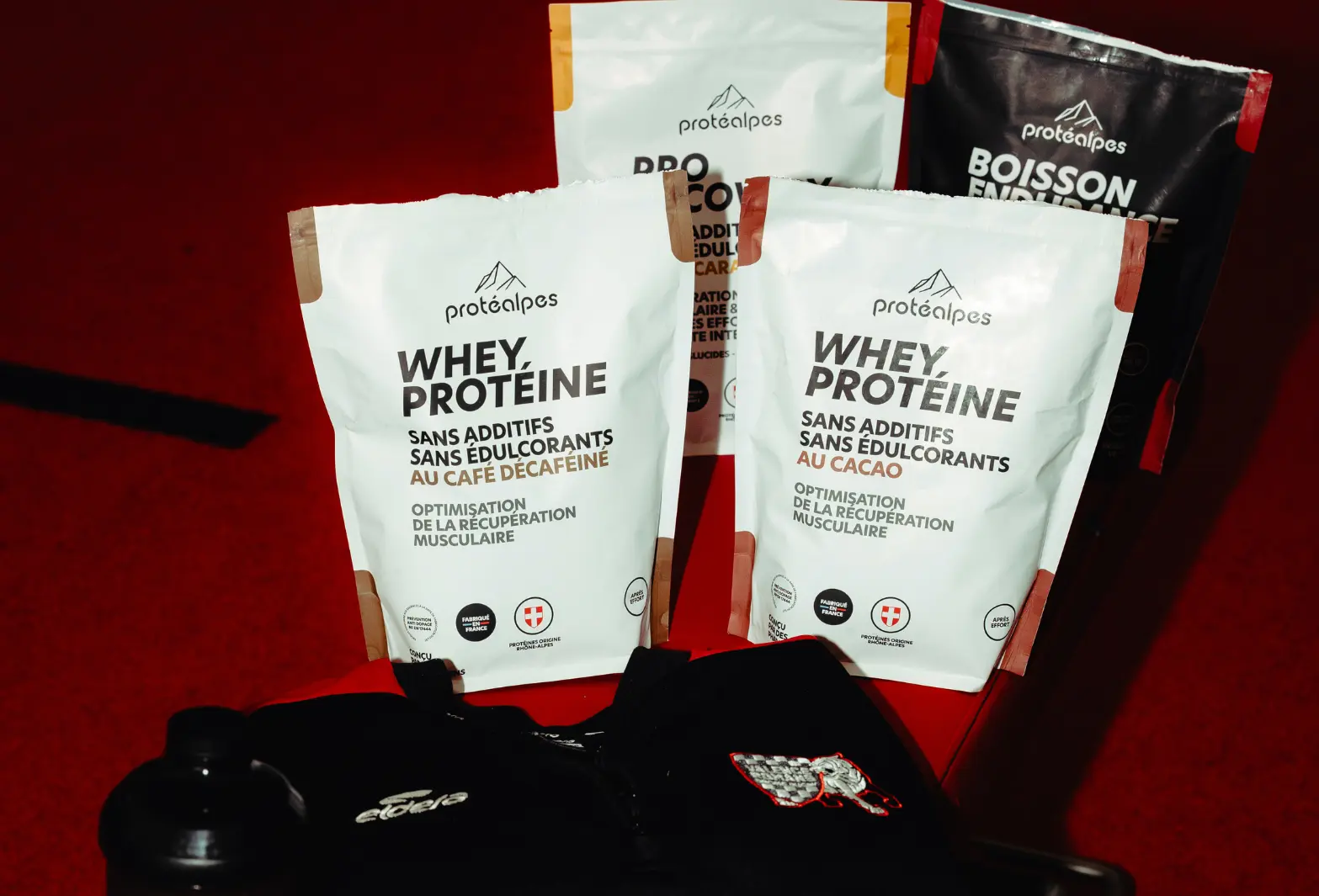
All Protéalpes whey products are made from high-quality whey isolate. For mesomorphs looking to cut or lose weight, whey isolate with no added sugars may be the best choice.
As with any sports nutrition product, the quality of the supplement you choose is key: opt for formulas that are free of additives and sweeteners.
Whey protein
- Manufactured in-house by Protéalpes
- No additives, no sweeteners
- Protein isolate from Rhône-Alpes

These professional clubs put their trust in us:











Creatine
Creatine monohydrate is one of the most well-researched supplements for strength training performance. It indirectly supports muscle strength, muscle growth, and recovery between sets, particularly during high-intensity workouts. A daily dose of 3 to 5 grams is generally recommended.

Creatine Creapure®
- Standardised without doping substances
- No additives, no sweeteners
- Made in Germany, packaged by Protéalpes in Albertville
- The best for maximizing muscle power in a healthy way and optimizing intensive performance
BCAA.
BCAAs (branched-chain amino acids) can supplement the protein content of meals that are low in protein.
However, the benefits of consuming BCAAs remain limited and are significantly less than those of consuming high-quality complete proteins in sufficient quantities (approximately 25 grams per meal or serving).
What the studies really say
The concept of body type is generally accepted in the fields of sports nutrition and bodybuilding, but it also has certain limitations and controversies that are important to be aware of.
Mesomorphism, as defined by the Heath-Carter system, describes a component of an individual’s relative musculature, measured using standardized anthropometric indicators.
Studies show a clear morphological bias in certain sports: gymnastics and strength sports naturally favor mesomorph body types, while endurance sports attract more ectomorphs, and contact sports favor meso-endomorphs.
However, Sheldon’s typology, which linked body type to personality traits, has been scientifically discredited by modern medicine and psychology.
Body types are dynamic: they change with age, exercise, diet, and lifestyle.
An individual initially identified as ectomorphic may, after several years of weight training and a tailored diet, exhibit a profile that is distinctly more mesomorphic.
Contemporary research favors the use of metabolic phenotypes, which are more precise and quantifiable than traditional morphotypes. Variability within a single morphological group remains significant: two athletes with the same somatotype may have very different physical abilities.
In summary, the mesomorph body type is a useful descriptive tool for guiding initial decisions regarding training and nutrition, but it should by no means be considered an absolute determinant. The most significant predictors of success remain total training volume, the quality of recovery, consistent nutrition, stress management, and sleep quality.
Practical conclusion
- A mesomorph body type is an asset for muscle building and athletic performance. An athletic physique, the ability to build muscle mass easily, and quick recovery are all advantages that facilitate progress.
- However, having a mesomorph body type alone does not guarantee results. A structured strength training program, a balanced diet, and a healthy lifestyle—including sleep, stress management, and consistency—are the true keys to physical transformation.
- Science supports the use of body type as an educational tool—a starting point for tailoring training and nutrition. It should never be seen as a limitation or a guarantee. Every individual, regardless of their body type, can make progress and improve their physical condition through tailored training and a consistent, long-term approach.
Summary table
| Features | Description |
|---|---|
| Silhouette | Athletic, broad-shouldered, with a defined waist and a sturdy build |
| Metabolism | Balanced, helps manage body weight |
| Muscle gain | Fast, promotes muscle growth |
| Power supply | Balanced, with a moderate and appropriate calorie content |
| Training | Multi-joint, moderate to high intensity, with cardio included |
| Recovery | Fast, good tolerance for training volume |
| Disadvantages | Risk of becoming complacent; weight gain if you let your guard down with your diet |
| Benefits | Athletic versatility, natural strength, visible muscle definition |