








23,6 g
Protein per serving
5,9 g
BCAA per serving
< 3,9 %
Sugar concentration after shaker mixing
 | Protein from milk from pasture cows in the Rhône-Alpes region of France |
 | No additives, no sweeteners |
 | Dissolves easily in milk or water, without lumps |
 | Quality amino acids, rich in BCAAs |
 | Ideal for post-training recovery |
 | Standard anti-doping products |
In detail
- Protein-rich, doping substance- and gluten-free standards
- Proteins help maintain and strengthen muscle fibres
- Optimal recovery, source of post-workout carbohydrates, sugar equivalent of half an apple
- Protein isolate mechanically obtained by cold microfiltration/ultrafiltration, no reheating before drying
- Produced from milk from pastures in the Rhône-Alpes region, manufactured and packaged by Protéalpes in Albertville.
Ingredients
Powder preparation, rich in whey protein
- Whey protein isolate* (73%), whole cane sugar** (16%), natural strawberry flavouring, coconut flour**.
*Protéines de lait. (Concentration en lactose < 3 %)
**18% d’ingrédients issus de l’agriculture biologique
Certifié par FR-BIO-01
No sweeteners (sucralose, aspartame, acesulfame k, steviol glycosides...)
Gluten-free


Very detailed description
Ingredients
Powder preparation, rich in whey protein
- Whey protein isolate* (73%), whole cane sugar** (16%), natural strawberry flavouring, coconut flour**.
*Protéines de lait. (Concentration en lactose < 3 %)
**18% d’ingrédients issus de l’agriculture biologique
Certifié par FR-BIO-01
No sweeteners (sucralose, aspartame, acesulfame k, steviol glycosides...)
Gluten-free
The best for post-workout recovery
Athletes have higher protein requirements due to increased muscle catabolism. An adequate intake of amino acids is therefore necessary to meet the needs associated with stimulating protein synthesis during the recovery phase following muscle exercise. Whey proteins are dietary supplements for athletes that:
- Excellent digestibility
- Almost immediate availability of amino acids
- Are rich in essential amino acids, particularly BCAAs
- Absorb faster than most other protein sources, giving them superior anabolic and anti-catabolic effects.
Objectives :
- Improved anaerobic and aerobic performance (strength and endurance)
- Muscular development, lower body fat/lean mass ratio, weight gain, weight control
- Recovering and strengthening muscle fibres damaged during training
Respect for the environment, animals and people

- Low concentration of animals in Rhône-Alpes pastures (up to 2,500 m)
- Small-scale farms in the French Alps (exclusively in the Rhône-Alpes region)
- Traditional breeds with lower yields (Tarines, Abondances), adapted to mountain environments
- Traditional grass and hay diet from the geographical area, GMO-free
- Consistency and sustainable development of the agricultural system in harmony with its environment and the times
What's the difference with other wheys on the market?
We deal directly with a union of dairy producers (Union des Producteurs de Beaufort), which means we don't go through intermediaries, wholesalers or milk giants. This unique proximity to local primary producers ensures total traceability.
We carefully manufacture our nutrition products in Albertville, in the heart of the Alps. The fact that we use no subcontractors and keep and control all stages of production in-house means that we can control the quality of our nutrition products, and in particular that we are certified to NF EN 17444 (formerly NF V94-001), a European anti-doping sports standard.
This standard certifies the absence of doping contaminants in our products, bearing in mind that on average, 15% of dietary supplements on the market contain doping substances such as anabolic steroids (1).
(1) Int J Sport Med. - 2004 - Geyer et al - Analysis of non-hormonal nutritional supplements for anabolic-androgenic steroids - results of an international study - Professional

Average nutritional values
Average nutritional values | Per 100 g | Per 40 g serving |
Energy | 1641 kJ/392 kcal | 657 kJ/157 kcal |
Fats and oils | 3,1 g | 1,2 g |
of which saturated fatty acids | 2,3 g | 0,9 g |
Carbohydrates | 29,7 g | 11,9 g |
of which sugars | 21,9 g | 8,8 g |
Protein (Nx6.25 on wet matter) - Regulation (EU) 1169/2011 | 59,0 g | 23,6 g |
Protein (Nx6.38 on dry matter) - Indicative | 62,1 g | 24,8 g |
Salt | 0,5 g | 0,2 g |
Average amino acid content
Average amino acid content per 40g serving | ||||
BCAA | Isoleucine | 1,6 g | Histidine | 0,5 g |
Leucine | 2,8 g | Lysine | 2,5 g | |
Valine | 1,5 g | Methionine | 0,6 g | |
Aspartic acid | 2,8 g | Phenylalanine | 0,8 g | |
Glutamic acid | 4,5 g | Proline | 1,6 g | |
Alanine | 1,4 g | Serine | 1,4 g | |
Arginine | 0,7 g | Threonine | 1,9 g | |
Cysteine | 0,7 g | Tryptophan | 0,5 g | |
Glycine | 0,5 g | Tyrosine | 0,7 g | |
Terms of use
- Pour 150 to 200 ml of liquid (water, plant-based milk, milk, or a mixture) into a shaker, then add 1 serving of whey protein
- Mix in a shaker, shaking up and down.
- Finish with light circular movements of the shaker*.
*As we don't use lecithin (a foam-reducing surfactant), a light layer of foam may appear after mixing too vigorously. This is perfectly normal and will disappear within a few minutes.
Classic use in a shaker, but also in:

Pancakes

Cakes

Other income

Porridges

Shakers

Smoothies
Certificates & labels
- Certificate of origin Whey protein Protéalpes (PDF)
- Protéalpes manufacturing certificate (PDF)
- Protéalpes packaging certificate (PDF)
- Whey Protein Label Classic Vanilla Range 750g Protéalpes
- Whey Protein Label Classic range with cocoa 750g Protéalpes
- Whey Protein Label Classic range with decaffeinated coffee 750g Protéalpes
- Whey Protein label Classic range caramel taste 750g Protéalpes
- Whey Protein Classic range strawberry flavour label 750g Protéalpes
- Whey Protein Label Classic Range Cocoa/Red Berry 750g Protéalpes
- Whey Protein label Classic range mint flavour 750g Protéalpes
Product Reviews

-
 Ilayda D.
Posted on February 5, 2026, at 4:32 p.m. ( Order date: January 25, 2026, at 8:43 p.m.)Very good
- Stephane G.
Posted on February 1, 2026, at 7:54 a.m. ( Order date: January 18, 2026, at 9:53 a.m.)👍🏻
- laurent k.
Posted on January 28, 2026, at 10:13 p.m. ( Order date: January 16, 2026, at 12:27 a.m.)Very good strawberry flavor, very pleasant. Perfect.
- Corentin J.
Posted on January 26, 2026, at 1:26 p.m. ( Order date: January 14, 2026, at 9:59 p.m.)Perfect
- Mireille B.
Posted on January 23, 2026, at 3:01 a.m. ( Order date: January 12, 2026, at 9:42 a.m.)Let's enjoy it!
- Alexander I.
Published on December 29, 2025, at 12:56 p.m. ( Order date: December 18, 2025, at 8:23 p.m.)Perfect 👌

Athletes' opinions
Discover also
-
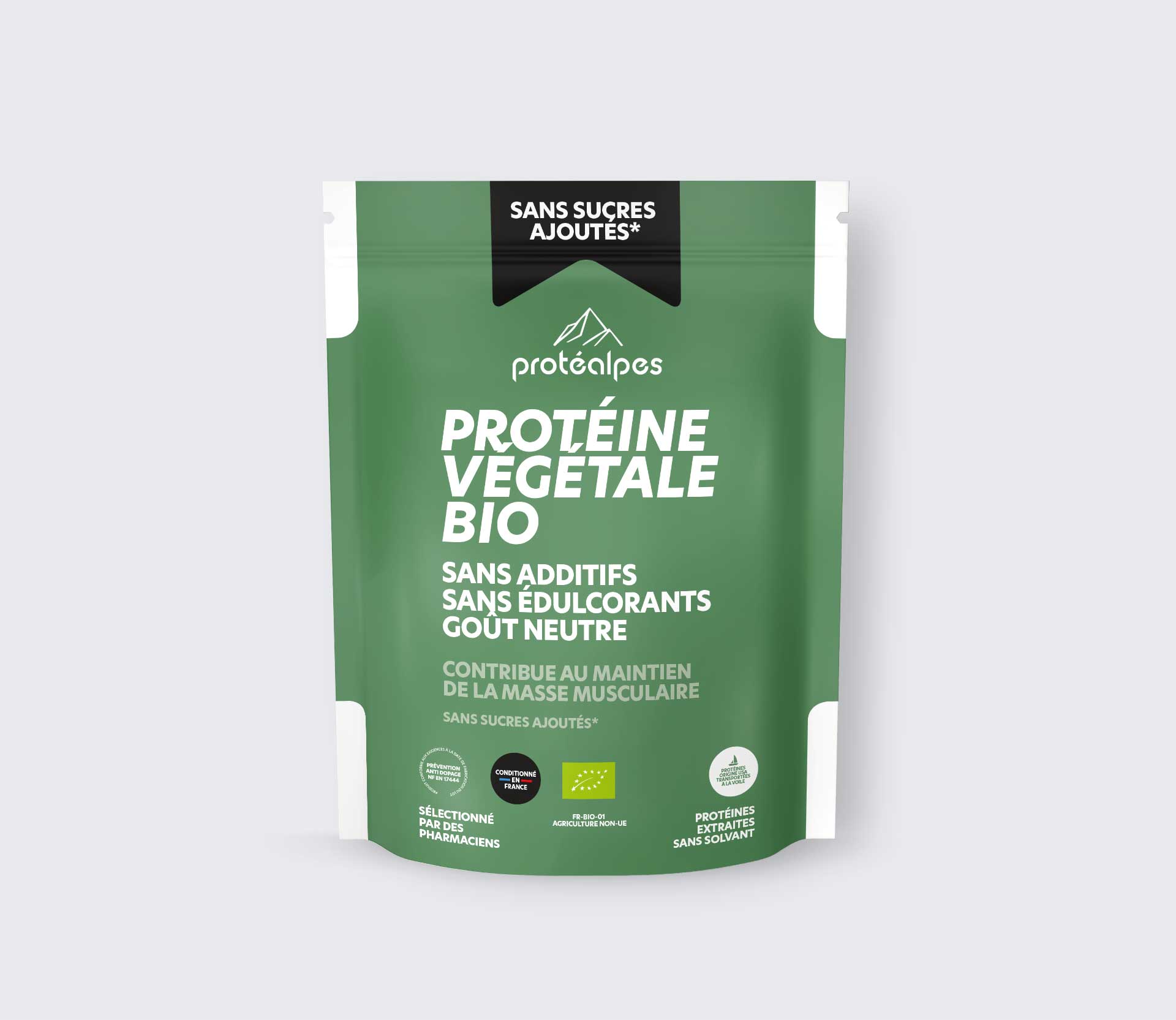
Organic plant-based protein, neutral flavor – No Added Sugar Line
Organic, Vegan, Gluten-Free, High in Protein
34,95€
540 g
-
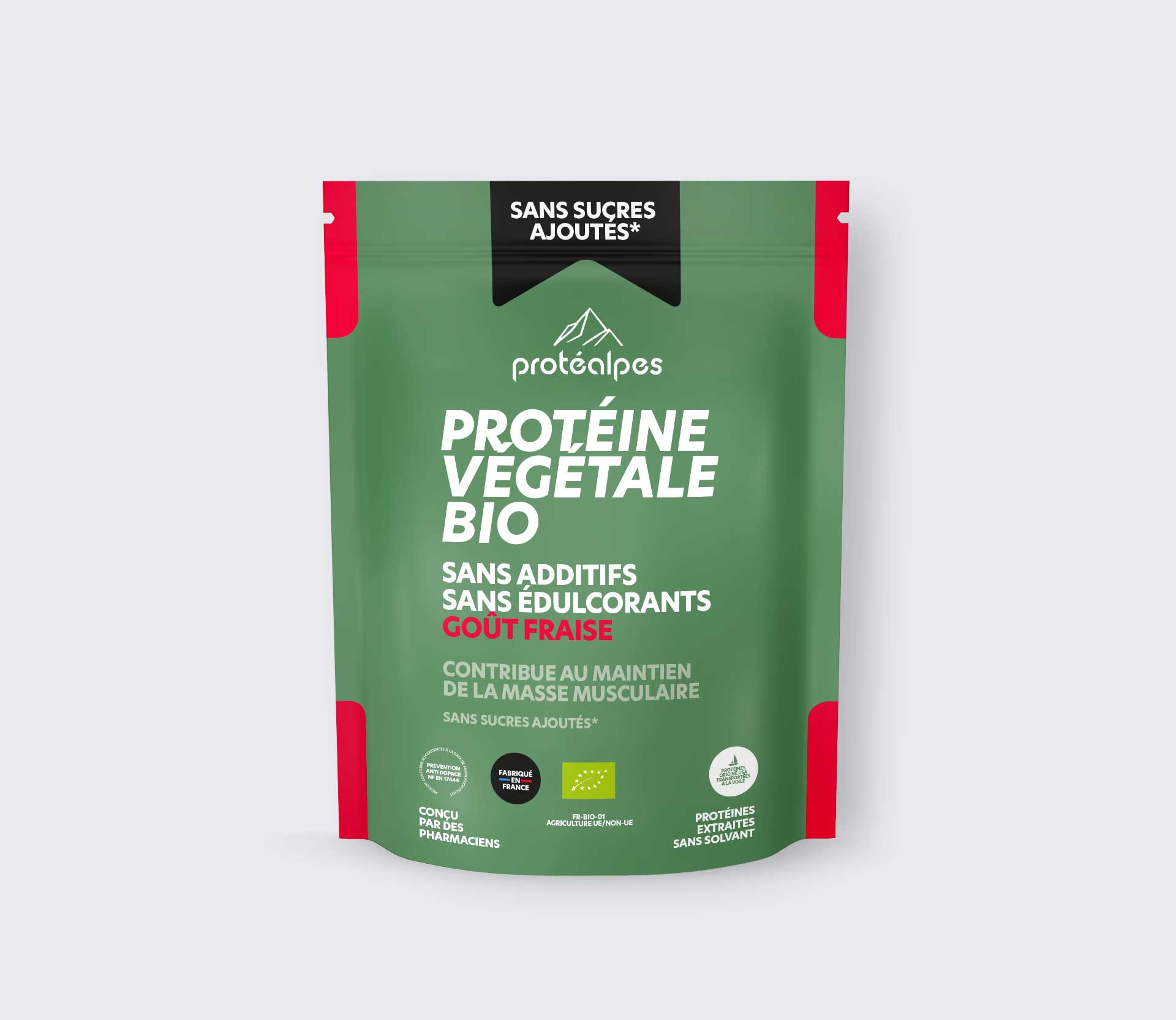
Organic Strawberry-Flavored Plant-Based Protein – No Added Sugar Line
Organic, Vegan, Gluten-Free, High in Protein
34,95€
540 g
-
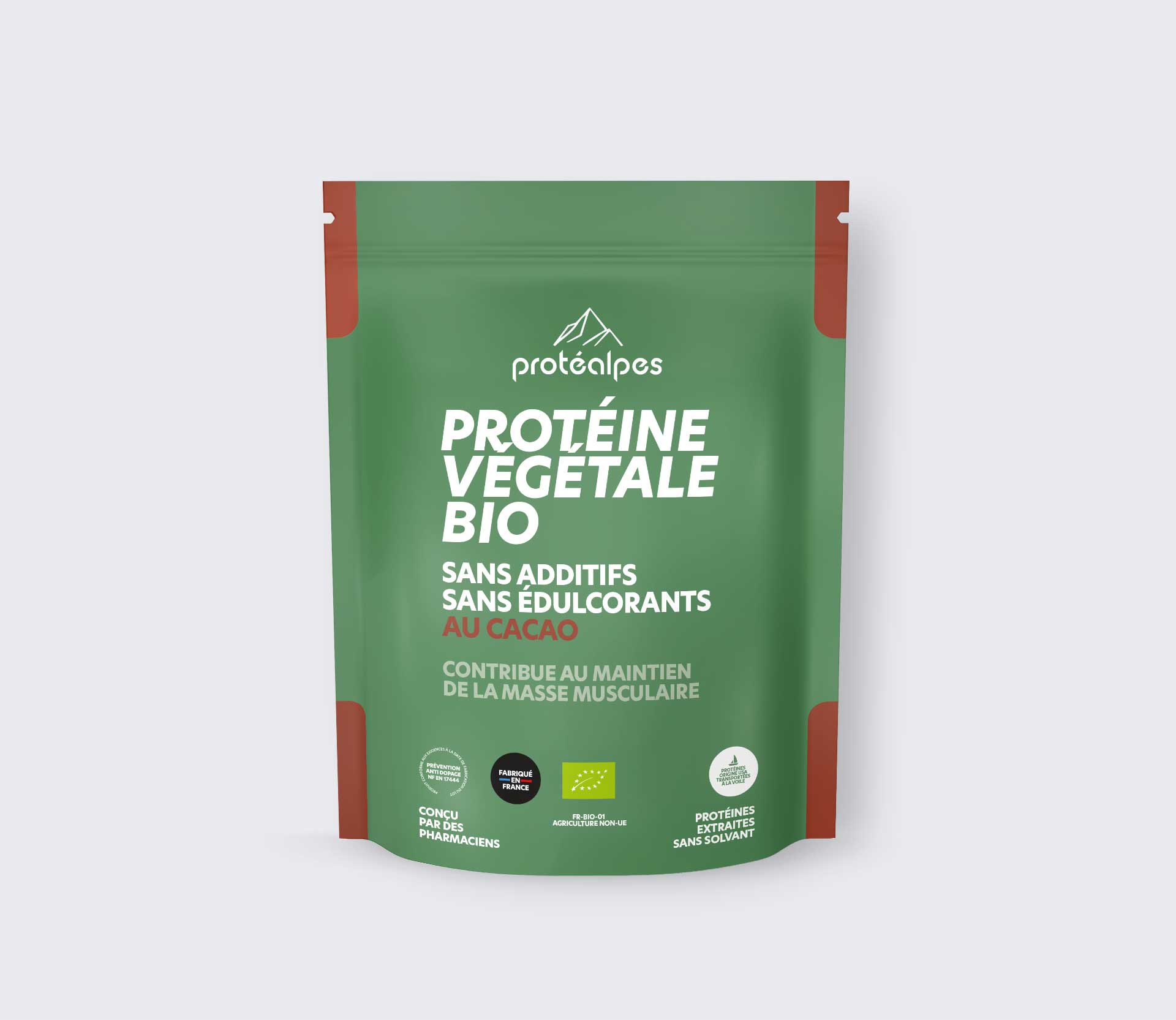
Organic Plant-Based Protein with Cocoa – Classic Line
Organic, Vegan, Gluten-Free, High in Protein
39,95€
750 g
-

Creapure® Creatine Powder
Gluten-free
Price range: €27.95 to €57.90
250 g - 83 portions
-

Organic cassava maltodextrin - Neutral
Gluten-free
24,95€
800 g
-

Whey protein vanilla - Classic range
Gluten-free, High protein
34,95€
750 g
-

Mass Gainer with cocoa
Gluten-free, High in calories, High in protein
54,95€
2 kg
-

Mass Gainer caramel flavour
Gluten-free, High in calories, High in protein
54,95€
2 kg
-

Mass Gainer strawberry flavour
Gluten-free, High in calories, High in protein
54,95€
2 kg
-

Whey protein with cocoa - Classic range
Gluten-free, High protein
34,95€
750 g
Frequently asked questions
Whey protein and whey—what are they?
Whey: This is the fraction of cow’s milk that remains after the caseins have been separated; its proteins constitute whey. Isolate: This is a highly concentrated form of these proteins, obtained in our facility through microfiltration and ultrafiltration—two purely mechanical processes carried out at cold temperatures without heat treatment, which prevents the proteins from being exposed to heat. Atomization: This is the drying method, which is so rapid (on the order of milliseconds) that it produces an extremely fine powder.
In terms of composition, five proteins make up the bulk of the content: lactoferrin, immunoglobulins, bovine serum albumin, alpha-lactalbumin, and, most importantly, beta-lactoglobulin. What they have in common is a high content of essential amino acids and BCAAs (leucine, isoleucine, valine), the latter of which play a role in muscle protein synthesis. This is what first attracted bodybuilders. Added to this is a high content of glutamic acid, which the body can convert into glutamine.
Weight gainers and the classic line: two different approaches?
Yes. The concept behind a weight-gainer: to maximize calorie intake to support weight gain, typically with more carbohydrates than protein; the standard serving combines 20 to 25 g of protein with approximately 60 to 75 g of carbohydrates. The concept behind the classic line: to prioritize protein and include only a small amount of carbohydrates. For sweetening, unrefined, whole, organic sugar was chosen over aspartame and sucralose—the latter of which is up to 600 times sweeter than sugar. Because this sugar is bulkier, each 100 g of the finished product contains slightly less protein; when reconstituted, the drink contains about 5% carbohydrates.
Does Protéalpes carry organic whey?
Not at this time, because the milk used to make the whey powder is not certified organic: the product therefore cannot be called “French organic whey.” However, Ecocert inspects and certifies Protéalpes for its organic ingredients, which are used as extensively as possible: sugar, cocoa, vanilla powder, natural red fruit flavoring… When it comes to milk, the preference was for locally sourced milk from the Rhône-Alpes region, supplied by the Union des Producteurs de Beaufort, a Protéalpes partner whose extensive farming system relies on pasture grazing; organic milk would not have offered this guarantee of local sourcing.
Who is the strawberry-flavored whey protein designed for?
For athletes looking to supplement their protein intake, especially when their meals don’t provide enough. Rich in protein, it fits right into this category: protein helps build and maintain muscle mass. It’s a popular choice after a workout, but it’s the total daily amount that matters most.
Where do the BCAAs in strawberry-flavored whey come from?
Whey itself. No protein or amino acids are added: whey naturally contains 5 to 6 g of BCAAs (leucine, isoleucine, valine) per serving, which is more than most plant-based proteins provide. Cocoa and other ingredients, on the other hand, contribute only a negligible amount of amino acids.
Why does strawberry whey foam, and how can you reduce the foam?
There are two contributing factors. The first has to do with the proteins themselves: once in a liquid, they foam, to a degree that depends on their purity. The second has to do with heat, which alters the interactions between proteins and water molecules. Many products correct this by adding lecithin, very often soy lecithin; however, this is an emulsifier—and therefore an additive—and Protéalpes does not use it, nor does it use any processed soy derivatives. After vigorous stirring, a temporary foam may therefore appear: this is nothing to worry about.
To minimize this, simply store the product in a cool, dry place (such as a pantry or refrigerator, with the packet carefully resealed); this will not affect the quality of the powder. When preparing the drink, add the liquid first, then the powder, and follow the instructions on the packet.
