




Protein powder is often used to achieve better muscle definition or to improve weight management. This dietary supplement, popular among athletes seeking muscle growth, is also used for weight loss. It promotes a feeling of fullness even during periods of calorie restriction, while helping to maintain muscle mass during this “diet” phase.
The necessary protein can be found in your regular diet or as a protein powder supplement. From whey protein to plant-based proteins, there are many options available for choosing a protein source that suits your needs. The choice depends on your goals, your needs, and sometimes even your budget.
This article draws on scientific studies to explain how to use protein powder for weight loss and incorporate it into a balanced diet. If your overall diet is too low in protein, it may be beneficial to add a daily serving of whey or plant-based protein powder. For active individuals or those in the process of rebalancing their diet, this low-calorie supplemental protein source provides real support for a weight loss program.
In a nutshell
- Boost fat loss: Protein powders (whey, plant-based, casein) increase feelings of fullness, reduce cravings, and boost metabolism. Their thermogenic effect helps you burn more calories naturally.
- Preserving muscle mass: Whether you’re cutting weight or following a low-calorie diet, they help prevent muscle loss. They also support post-workout recovery, provided you consume enough (1.8 to 2 g/kg/day).
- Easy to enjoy: whether in shakes, smoothies, or healthy recipes (pancakes, cakes), protein powders fit easily into your daily routine. When mixed with water, plant-based milk, or other foods (fruit, cereal, etc.), they effectively boost your protein intake while adding few calories.
- When to eat them: From breakfast to dinner, including after a workout, they can be spread out throughout the day; the key is to find the right time in your schedule.
Contents
- Why do protein powders help with weight loss?
- The Role of Protein in Fat Loss
- Why use protein powder in a diet?
Why do protein powders help with weight loss?
What is protein powder?
Along with carbohydrates and fats, proteins are the third major group ofmacronutrientsthe body needs. There are two ways toconsume protein:
- through regular foods (the preferred option);
- through supplements (if necessary).
These protein supplements come in the form ofa white powder. The powder is derived from animal or plant sources. The best-known type iswhey. This whey protein comes from cow’s milk. It is sold aswhey isolate,whey concentrate, hydrolyzed whey, clear whey, and so on.
Plant-based proteins come from peas, soybeans, hemp, rice, and other sources. Although their amino acid profiles differ from those of animal proteins, they can provide all the amino acids the body needs.
The Role of Protein in Fat Loss
Now that we’ve introduced it, thispowdered supplementis all the rage. Whether you’re cutting or simply looking tolose weight, protein offers three key benefits:
- They promote afeelingof fullnessand reduce cravings. Protein intake reduces the activity of ghrelin, often referred to as the "hunger hormone." As a result, cravings decrease and the feeling of fullness lasts longer.
- Their thermogenesis increasesenergy expenditure. Protein consumption requires more calories to digest due to the thermic effect it produces. This effect appears to be greater following supplementation with whey protein than with casein or soy protein. Similarly, it is greater after a complete meal rich in protein than after a meal higher incarbohydrates1.
- They helpmaintain muscle massor promote musclegrowth.² This is the key point, especially forathletes cutting for muscle definition. In fact, muscles are the first to break down when the body faces a calorie deficit. So consuming protein, particularly protein rich in leucine and other BCAAs, helps limit catabolism andprevent muscle loss, the main risk of low-calorie diets.
Furthermore, a muscular body boosts thebasal metabolic rate. This refers to energy expenditure at rest. Since muscle requires more energy to maintain than fat, it promotes the energy deficit necessary for weight loss.
Why use protein powder in a diet?
When dieting,protein powder is aconvenientwaytomeet your protein needs. Sometimes the amount needed is significant and difficult to obtain solely through a regular diet. In this case, adding protein to a shaker or an easy-to-prepare recipe is an effective alternative.
Another advantage: they arelow in calories, depending on what other ingredientsthe protein powder is mixed with. For example, a shake made with water and whey protein will be high in protein and low in calories. However, protein powder is not intended to replace a balanced diet.
Protein powders, whether animal- or plant-based, are easy to incorporate into a low-calorie diet.
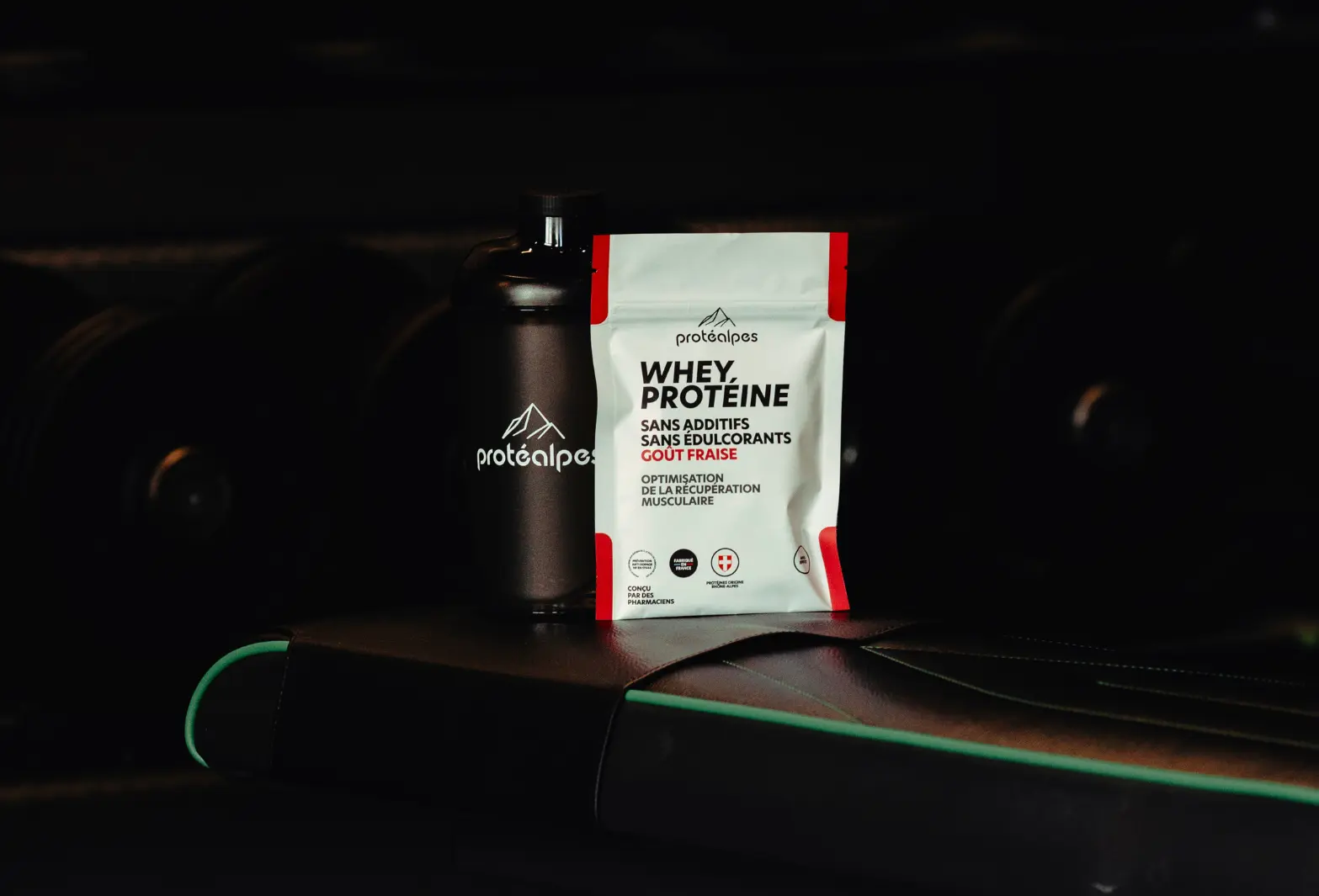
Whey protein
- Manufactured in-house by Protéalpes
- No additives, no sweeteners
- Protein isolate from Rhône-Alpes

These professional clubs put their trust in us:












Which protein powder should you choose to lose weight?
Protein powders for weight loss
When it comes to protein powders, it is important to first distinguish betweenplant-based and animal-based proteins.
When it comes to animal-based proteins, these include those derived from milk, such as casein andvarious types of whey, including concentrate, isolate, native, and non-native whey. The level of filtration varies between whey concentrate (standard filtration) and whey isolate (more advanced filtration). And it is the stage of filtration that distinguishes the native version (from whole milk) from the non-native version (from whey).
This gives:
| Forms of whey | Whey concentrate | Whey isolate |
|---|---|---|
| Native whey | Standard filtration, using whole milk. | More thorough filtration, using whole milk. |
| Non-native whey | Standard filtration, using whey | Further filtration using whey. |
Caseinis another protein powder derived from milk. It is digested more slowly than whey, which makes it a good choice, especially around bedtime, before a long period of fasting.
Finally, plant-based proteins derived from peas, rice, or hemp are excellent sources of protein forpeople who are lactose intolerant or follow a vegan lifestyle, for example.
All of these protein sources are suitable for weight loss.
Choosing the Right Protein for Weight Loss
There is no single "ideal" choicefor an effective proteinsupplement, as itdepends on yourspecificgoal. To lose weight, you should opt for a protein product that is low in carbohydrates and fat. The key factors to look for are a high protein content and good digestibility.
When cutting for bodybuilding or following a weight-loss diet, the goal is to reduce body fat without losing muscle mass. Therefore,low-calorie protein productsare preferredtooptimize body composition.
Combining whey protein during the day with casein at night to minimize nighttime muscle breakdown is a good strategy to support weight loss.
How much protein should you eat to lose weight?
The recommended dosage for weight loss
The recommended intake is between1.8 and 2 g of protein per kilogram of body weight per day. At the same time, it is advisable to moderately reduce your intake of carbohydrates and fats; of course, this does not mean eliminating them entirely from your diet.
Of course, thisamount of proteinshould be adjusted based onthe individual’s level of physical activity, age, and any specific circumstances (pregnancy, breastfeeding, menopause, injury, etc.).
For a person from:
- 65 kg → so the target is 117 to 130 g per day;
- 80 kg → so the target is 144 to 160 g per day.
How much protein powder should you have each day?
Protein intake should be spread out over the day across the three main meals, possibly supplemented by a snack. In this regard, a protein drink—such as awheyshakemixed with waterafter an afternoon workout, for example—can be effective.
The goal is thereforeabout 25 grams of protein powder (equivalent to a standard serving of a protein supplement), with the remainder coming from abalanceddiet3 that providessufficientprotein.
There are many recipesthat use whey, such as cakes, bars, and shakes. Be careful, however, not to exceedtherecommendeddaily intake, as this provides no additional benefits and puts a strain on the body, which then has to eliminate the excess.
The benefit of spreading your protein intake throughout the day in several smaller portions is to maintain a consistently high level of amino acids in the blood, thereby preventing potential muscle breakdown associated with a calorie deficit.
When should I take protein powder to lose weight?
When is the best time of day to eat protein?
As explained earlier, the key is to spread your intake evenlythroughout the day. Protein powder can then be consumed:
- as part of a high-protein breakfast, such as scrambled eggs or low-fatprotein pancakes;
- as a snack to curb cravings—abanana-blueberry smoothie, for example;
- after a workout, in a water-and-whey shake, which is low in calories and provides an ideal source of amino acids post-workout;
- before bedtime, especially casein, to take advantage of its slow digestion and a steady supply of nutrients until the next morning.
Protein and Exercise: Should You Take It on Rest Days?
People often ask whether they should takewhey on rest days. Since the goal is to maintain muscle mass and burn fat, therecommended daily intake remains the same, even during a rest period.
That said, whey powder is still intended forpost-workout use. Its high bioavailability quickly supplies the body with essential amino acids, particularly BCAAs, which play a key role in muscle protein synthesis. These characteristics might seem unnecessary in the absence of physical exercise; however, the caloric deficit during cutting or weight loss phases constantly threatens muscle mass, and it has been shown that substantial protein intake, spread out over time, helps shift this deficit more toward fat. This is why it remains important to consume a significant amount of protein even on rest days.
On days when you don’t work out, it’s a good ideato combine wheywith other macronutrients and fiber. This will slow down the absorption of amino acids and extend it over time.
How can you incorporate protein powder into your diet?
Shakes for appetite suppression
Depending on the liquid used to mix the whey or other protein powder, the effect will vary.
A shaker can be made from:
- water, which allows for rapid absorption without any associated calories;
- animalmilkfor a creamier texture and slower absorption;
- plant-based milk, which also helps achieve the desired texture while keeping additional ingredients to a minimum.
It’s perfectly possible to add fiber to your snack toslow down digestionandprolongthe feeling of fullness. Similarly, adding grains like oats will provide more energy, while yogurt adds extra protein.
When it comes to plant-based protein powders, some do not have a complete amino acid profile. To address this,combining proteins frommultiple plant sources results in a more complete amino acid profile.
Can certain meals be substituted?
With all the balanced protein smoothies, protein bowls, and protein pancakes out there, it’s tempting to skip a traditional meal.
However, wedo not recommend it. Shakes do not provide all the micronutrients, vitamins, and minerals found in a balanced meal. Acomplete and balanced dietis essential—even when following a weight-loss plan—to ensure good health during periods of calorie restriction.
Protein powder can be used as a meal replacement on an occasional basis. However, this is only a stopgap measure and should not become a long-term solution.
3 Mistakes to Avoid When Using Protein Powder
Eating too many calories
The pitfall with protein powders is adding them to smoothies or other high-calorie drinks. However, adding indulgent toppings will increase your calorie intake, which is exactly what the diet aims to limit.
That’s why it’s important to plan your portions based on your needs, expected energy expenditure, level of physical activity, and basal metabolic rate.
Neglecting overall nutrition
To lose weight, you need to create an energy deficit by burning more calories than you consume. When the number of calories burned exceeds the number of calories consumed, the body begins to use its fat stores, leading to weight loss. During a cutting phase, a moderate calorie deficit of around 200 to 500 calories per day is generally recommended.
Beyond the need for a calorie deficit, it is important to balance your daily calorie intake. For example, vegetables provide essential fiber as part of a weight-loss diet.
Thinking that whey does all the work on its own
There is no such thing as a miracle weight-loss product. The pitfall to avoid is viewing whey as that kind of product.
An active lifestyle plays a key role in successful weight loss. Diet, exercise, as well as stress and sleep, are all critical factors. Taking whey can support weight loss if it is combined with increased calorie expenditure and a balanced diet.
Choose proteins based on your needs
To lose weight in a sustainable and effective way, your program should focus on two key areas:
1. Monitor your calorie intake;
2. Increase your calorie expenditure.
How to lose weight without exercising
It’sharderto lose weight without exercising, because physical activity and diet are the two main pillars of weight loss.
However, for active people, protein powders can help better control their appetite. They thus have the advantage ofpreventing overeating. To achieve this, it’s best to opt for a protein-rich breakfast, paired with a protein-packed snack during the day, to limit snacking.
The goal is to reduce portion sizes while staying full longer.
To exercise and burn fat
For people who exercise regularly, protein helps preserve muscle mass during weight loss and redirects the body’s energy expenditure toward fat stores.
In this regard, a whey shakeshortly after a workout (0 to 2 hours) promotesrecovery and supports muscle synthesis. It provides an excellent source of amino acids, particularly leucine.
To curb your appetite while dieting
Some people often feel hungry while dieting. In such cases, protein is very effective at increasing feelings of fullness and reducing cravings. Combiningprotein and fiber in a mixture with chia seeds, for example, helps you feel full longer.
Similarly, in the evening, slow-digesting proteins likecasein canhelp curb late-night snacking urges.
Conclusion
Protein powders can help with weight loss and are a valuable addition to a structured diet and exercise regimen. However, they are not effective on their own. Whether it’s whey protein or plant-based protein, their value lies in their ability to boost metabolism and support muscle recovery. They also aid in fat loss by preserving lean body mass during calorie restriction.
To get the most out of them, choose proteins that are easy to mix, low in sugar, and suited to your daily energy needs. And while spreading intake throughout the day is more important than the exact timing of consumption, you can take your whey after a workout to optimize muscle building or support recovery. In any case, these should be consumed as part of an overall diet rich in minerals, fiber, and natural proteins (such as eggs, cottage cheese, meat, etc.).
Since weight loss is not a trivial matter and can have health implications if approached improperly, we recommend setting reasonable goals combined with a moderate calorie deficit, which will ultimately lead to sustainable weight loss. If you have a pre-existing condition or an underlying metabolic disorder, it is, of course, best to consult a healthcare professional or a nutritionist before embarking on such a program.