










23,1 g
Carbohydrates per serving
139 mg
Electrolytes per serving
40 mg
Vitamin C per serving
 | Tri-sources of carbohydrates |
 | No additives, no sweeteners |
 | Dissolves easily in a flask |
 | Laboratory-tested osmolarity |
 | Ideal for breaks (team sports, tennis...) |
 | Standard anti-doping products |
In detail
- Energetic and isotonic
- Tri-source of carbohydrates, natural vitamin C, electrolytes
- Optimizing performance in the 2nd half
- Additive-free, gluten-free and doping substance-free
Ingredients
Powder preparation for energy and isotonic drinks
- Corn maltodextrin*, rice syrup*, natural mint flavor, fructose, sea salt, acerola powder*.
*80% organic agricultural ingredients
Certified by FR-BIO-01
Gluten-free - May contain traces of milk proteins
No sweeteners (sucralose, aspartame, acesulfame k, steviol glycosides...).


Very detailed description
Ingredients
Powder preparation for energy and isotonic drinks
- Corn maltodextrin*, rice syrup*, natural mint flavor, fructose, sea salt, acerola powder*.
*80% organic agricultural ingredients
Certified by FR-BIO-01
Gluten-free - May contain traces of milk proteins
No sweeteners (sucralose, aspartame, acesulfame k, steviol glycosides...).
The best for carbohydrate and energy replenishment
Practitioners of high-intensity strength and/or endurance sports (rugby, soccer, field hockey, handball...) need an energy boost, in the form of rapidly assimilated carbohydrates, at half-time.
This can be the case for other sports, such as racquet sports, or any other intense and long practice (>1h of effort), which includes breaks.
The aim of the energy half-time is to provide the player with an adapted intake of carbohydrates, over a very short period of time, just before returning to the pitch.
The carbohydrate/electrolyte/vitamin C mix has been studied for optimal nutritional and cognitive effects,boosting performance in the second half and reducing the perception of fatigue.
- Optimizing performance in the 2nd half
- Taken at half-time (5 to 8 min before resuming exercise)
- Isotonic, osmolarity measured in the laboratory
Average nutritional values
Average nutritional values | Per 100 g | Per 25 g serving |
Energy | 1595 kJ/381 kcal | 398 kJ/95 kcal |
Fats and oils | 0 g | 0 g |
of which saturated fatty acids | 0 g | 0 g |
Carbohydrates | 95,0 g | 23,7 g |
of which sugars | 51,6 g | 12,9 g |
Protein | 0 g | 0 g |
Salt | 1,4 g | 0,3 g |
of which sodium | 557 mg | 139 mg |
Vitamin C | 167 mg | 42 mg |
Terms of use
- Place 25 g (one measuring spoon) of powder in a gourd or graduated shaker.
- Pour in fresh water until the 300 ml mark is reached.
- Shake well to dilute powder
Be careful to respect the dilution volumes of 300 ml for 1 portion, to avoid the risk of obtaining a hypertonic solution.
To be taken during a break.
Athletes' opinions
Discover also
-
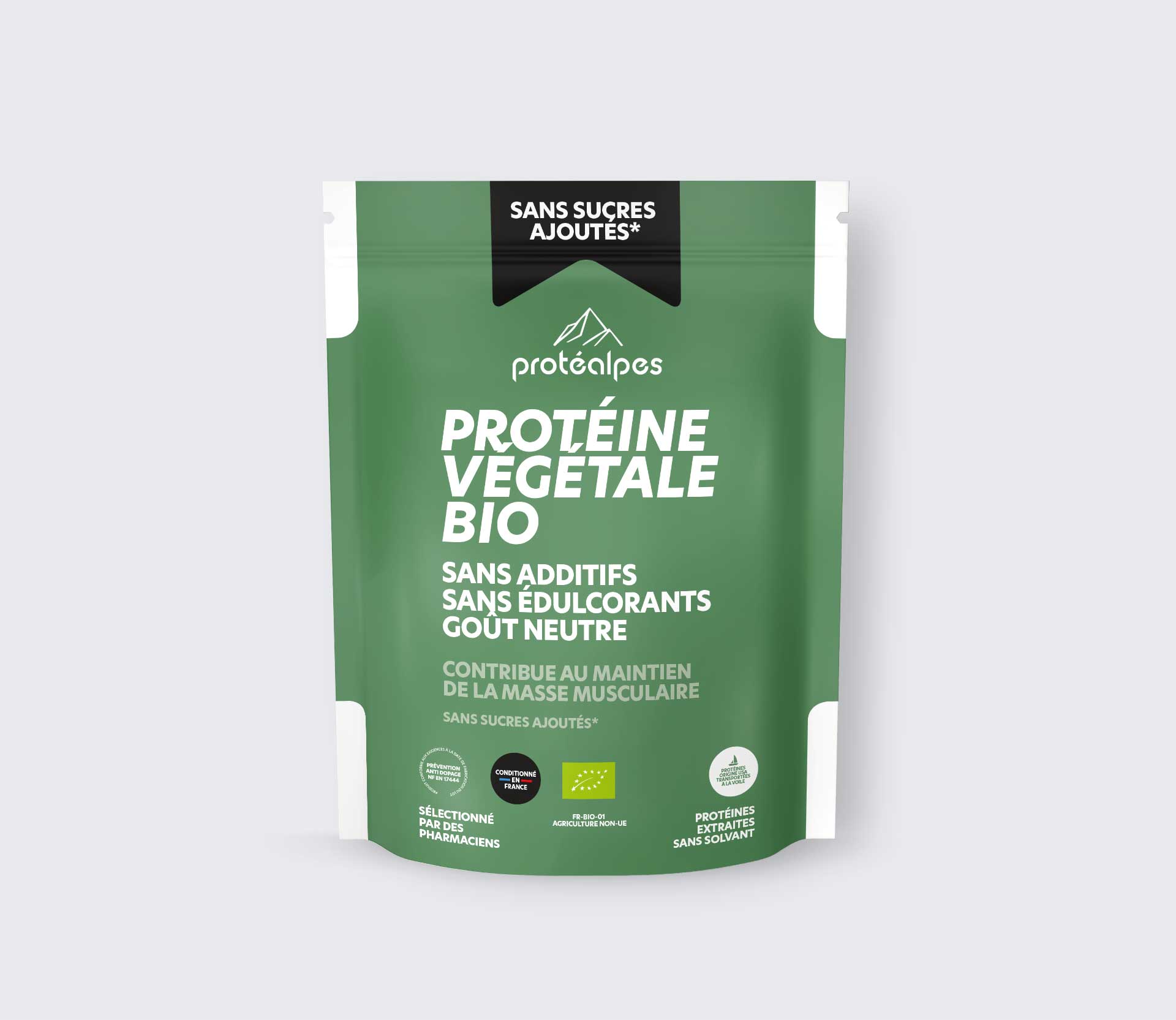
Organic plant-based protein, neutral flavor – No Added Sugar Line
Organic, Vegan, Gluten-Free, High in Protein
34,95€
540 g
-
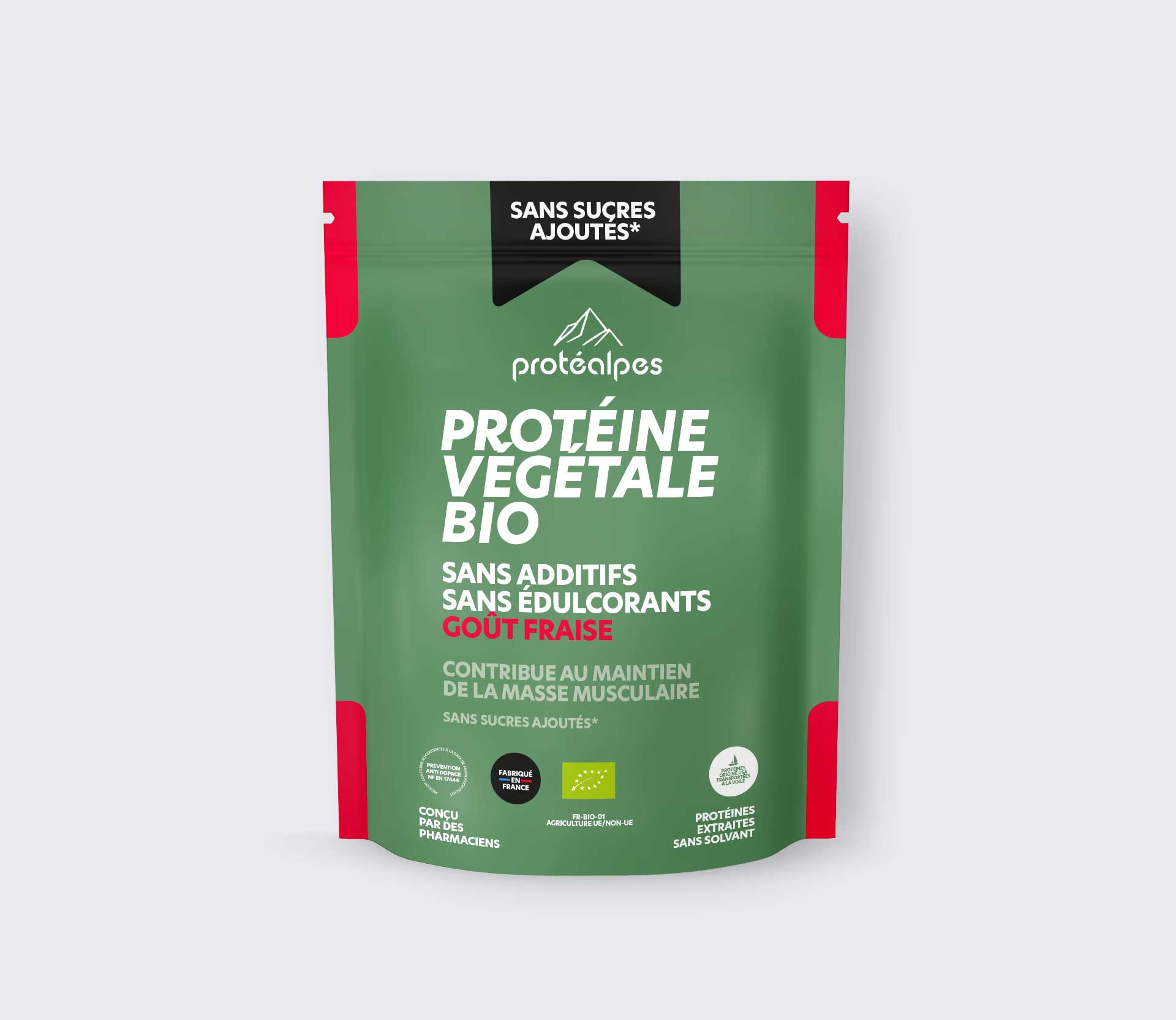
Organic Strawberry-Flavored Plant-Based Protein – No Added Sugar Line
Organic, Vegan, Gluten-Free, High in Protein
34,95€
540 g
-
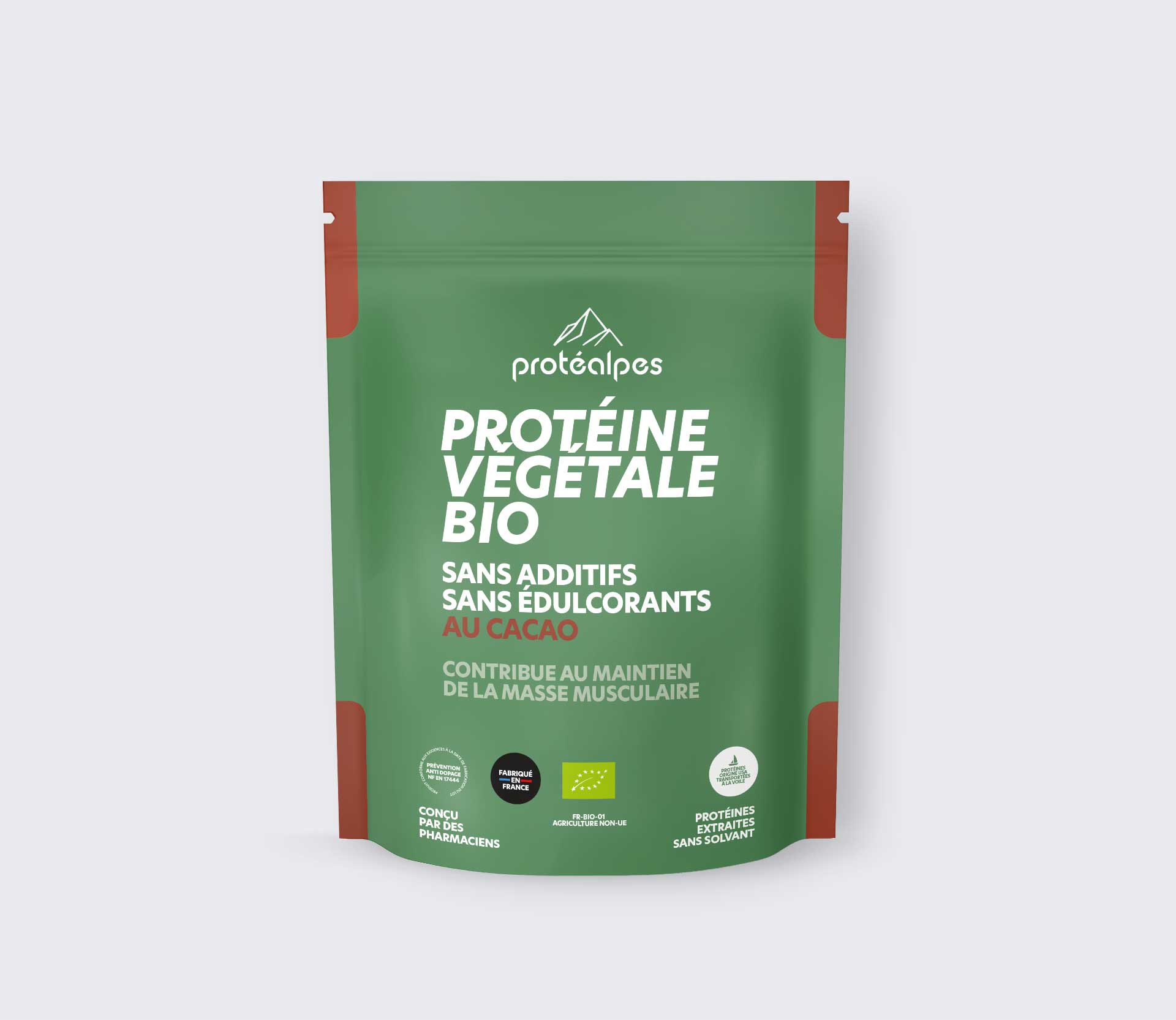
Organic Plant-Based Protein with Cocoa – Classic Line
Organic, Vegan, Gluten-Free, High in Protein
39,95€
750 g
-

Creapure® Creatine Powder
Gluten-free
Price range: €27.95 to €57.90
250 g - 83 portions
-

Organic cassava maltodextrin - Neutral
Gluten-free
24,95€
800 g
-

Whey protein vanilla - Classic range
Gluten-free, High protein
34,95€
750 g
-

Mass Gainer with cocoa
Gluten-free, High in calories, High in protein
54,95€
2 kg
-

Mass Gainer caramel flavour
Gluten-free, High in calories, High in protein
54,95€
2 kg
-

Mass Gainer strawberry flavour
Gluten-free, High in calories, High in protein
54,95€
2 kg
-

Whey protein with cocoa - Classic range
Gluten-free, High protein
34,95€
750 g
Frequently asked questions
Why do you use fructose in this product?
Because this product meets a very specific need: that of team sport players during breaks. For this niche market, current scientific data suggests combining two carbohydrates—glucose and fructose—each of which is absorbed by the intestine through its own pathway.
You may have read that fructose is linked to certain metabolic disorders. This is true when it is consumed in excess as part of the daily diet—especially in sodas—to the point of becoming a public health issue. Here, the situation is entirely different: a one-time intake of approximately 4 g of fructose during exercise. At this level, no adverse effects are expected.
Why be specific about the 300 ml?
Because this is the volume at which your drink is isotonic: its concentration of dissolved particles is identical to that of your blood plasma. We tested this in the lab—using one serving in 300 ml of still water—to provide you with the right amount of energy.
Use less water, and the drink becomes hypertonic: it’s absorbed less efficiently and can cause intestinal discomfort.
Use more water, and it becomes hypotonic: this isn’t a serious issue, but you’ll have more liquid to drink, which doesn’t help at halftime.
What source of vitamin C do you use?
Made from organic acerola powder. This small fruit is naturally rich in vitamin C, and we don’t add any additional vitamin C. In the food industry, vitamin C can be entirely synthetic, natural, or a combination of both; we’ve chosen the natural option, applying the same high-quality standards as we do for all our ingredients.
When to take Mi-temps énergie?
During halftime, if you played the first half and will be playing at least part of the second.
The right pace: a few small sips of cool water at the start of the break, then your 300 ml of Mi-temps Énergie starting halfway through the break, 5 to 8 minutes before returning to the field.
Avoid drinking it as soon as the whistle blows: for some players, consuming it too early can cause a temporary drop in blood sugar (known as reactive hypoglycemia) just before play resumes.
