






23,3 g
Protein per dose
4,2 g
BCAA per dose
< 3 %
Sugar concentration after shaker mixing
 | Organic pea protein, traceable from the field to this product |
 | No additives, no sweeteners |
 | Dissolves easily in water or a plant-based beverage |
 | High-quality amino acids, naturally rich in BCAAs |
 | Ideal for post-training recovery |
 | Standard anti-doping products |
In detail
- High in protein, 100% plant-based and vegan, certified free of performance-enhancing substances and gluten-free
- Proteins help maintain and strengthen muscle fibres
- Optimal recovery, source of post-workout carbohydrates, sugar equivalent of half an apple
- Organic yellow pea protein isolate produced without solvents, filtered in-house by Puris from peas sourced through its own North American supply chain
- Crude protein shipped by sail to France; product manufactured and packaged by Protéalpes in Albertville
Ingredients
Powdered mix, rich in plant-based protein
- Pea protein* (74%), whole cane sugar* (16%), natural strawberry flavor*
*Organic agricultural ingredients
. Certified by FR-BIO-01
No sweeteners (sucralose, aspartame, acesulfame k, steviol glycosides...)
Gluten-free


Very detailed description
Ingredients
Powdered mix, rich in plant-based protein
- Pea protein* (74%), whole cane sugar* (16%), natural strawberry flavor*
*Organic agricultural ingredients
. Certified by FR-BIO-01
No sweeteners (sucralose, aspartame, acesulfame k, steviol glycosides...)
Gluten-free
Meeting your protein needs during the recovery phase and every day
Each workout puts stress on muscle fibers: catabolism increases, and with it, the body’s need for protein. Providing the body with the right amino acids helps support protein synthesis—both after a workout and throughout the day—especially when the diet is lower in animal protein.
Pea protein isolates are dietary supplements intended for athletes who:
- Provide a rich source of BCAAs (leucine, isoleucine, valine)
- Are very easily digested
- Naturally contain all 9 essential amino acids, providing a complete amino acid profile
Objectives :
- Supplement your daily protein intake, especially if you follow a vegetarian, vegan, or flexitarian diet
- Meeting the protein needs of both strength sports and endurance sports
- Like all proteins, it helps increase and maintain muscle mass
- Provide the amino acids needed to repair the muscle fibers used during exercise
Respect for the environment and for people
- Organic certification: Ecocert FR
- Non-GMO seeds selected and produced in-house at Puris
- Direct contract between Puris, a family-owned company, and its North American producers
- The yellow pea is an efficient legume: it draws nitrogen from the air, naturally enriches the soil, and requires little water
- A 100% sail-powered Atlantic crossing with Grain de Sail to reduce the carbon footprint of shipping from the U.S.
How does it differ from other plant-based proteins on the market?
Many plant-based proteins on the market are extracted in Asia from raw materials that are often sourced from the United States and/or Asia; with wholesalers and intermediaries involved, traceability breaks down. We chose a different approach: working directly with Puris, an American family-owned company involved in every step of the process. The company develops its own non-GMO seeds, works with contract farmers in North America who grow organic peas, and then extracts the protein in its own facilities. This uncommon organizational structure makes it possible to trace each batch back to its field of origin.
At Protéalpes, the rest of the process takes place in Albertville, in the heart of the Alps: formulation, packaging, and shipping of orders are all handled in-house, without any subcontractors. Our products are manufactured in accordance with the requirements of the European standard NF EN 17444, which is dedicated to the prevention of doping and replaced the French standard NF V94-001.
This is far from a theoretical issue. An international study analyzed 634 dietary supplements purchased in 13 countries between 2000 and 2001: 94 of them—or 14.8 percent—contained anabolic steroids that were not listed on the label (1). This voluntary standard aims to limit this risk.
(1) Geyer H. et al. – Int J Sports Med – 2004;25(2):124-129

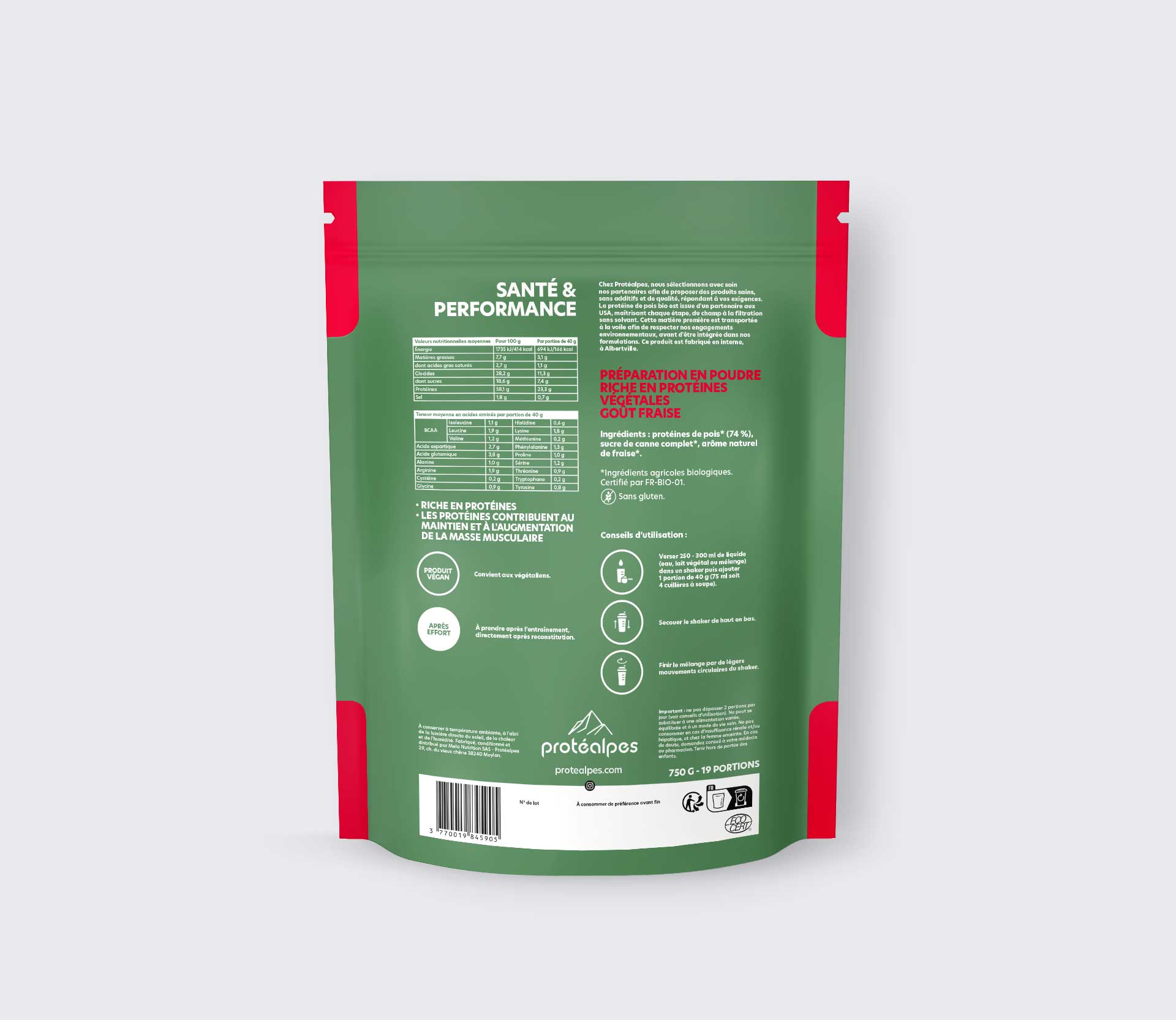
Average nutritional values
Average nutritional values | Per 100 g | Per 40 g serving |
Energy | 1,735 kJ/414 kcal | 694 kJ/166 kcal |
Fats and oils | 7,7 g | 3,1 g |
of which saturated fatty acids | 2,7 g | 1,1 g |
Carbohydrates | 28,2 g | 11,3 g |
of which sugars | 18,6 g | 7,4 g |
Protein | 58,1 g | 23,3 g |
Salt | 1,8 g | 0,7 g |
Average amino acid content
Average amino acid content per 40g serving | ||||
BCAA | Isoleucine | 1,1 g | Histidine | 0,6 g |
Leucine | 1,9 g | Lysine | 1,8 g | |
Valine | 1,2 g | Methionine | 0,2 g | |
Aspartic acid | 2,7 g | Phenylalanine | 1,3 g | |
Glutamic acid | 3,8 g | Proline | 1,0 g | |
Alanine | 1,0 g | Serine | 1,2 g | |
Arginine | 1,9 g | Threonine | 0,9 g | |
Cysteine | 0,2 g | Tryptophan | 0,2 g | |
Glycine | 0,9 g | Tyrosine | 0,8 g | |
Terms of use
- Pour 250–300 ml of liquid (water, plant-based milk, or a mixture) into a shaker, then add 1 serving of organic plant-based protein.
- Mix in a shaker, shaking up and down.
- Finish with light circular movements of the shaker*.
*As we don't use lecithin (a foam-reducing surfactant), a light layer of foam may appear after mixing too vigorously. This is perfectly normal and will disappear within a few minutes.
Certificates & labels
- Label – Plant-Based Protein – Classic Line – Vanilla Flavor – 750g – Protéalpes
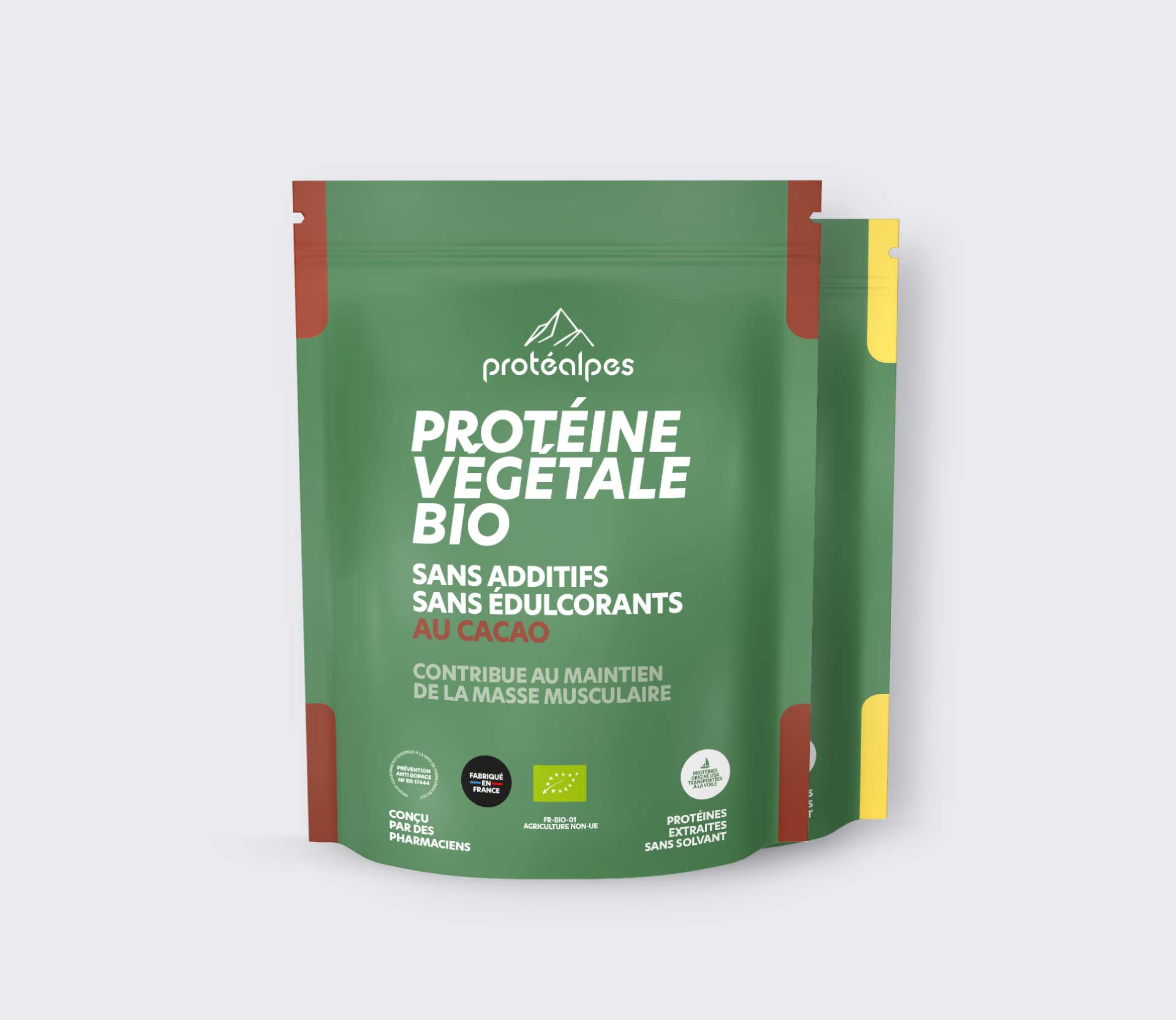
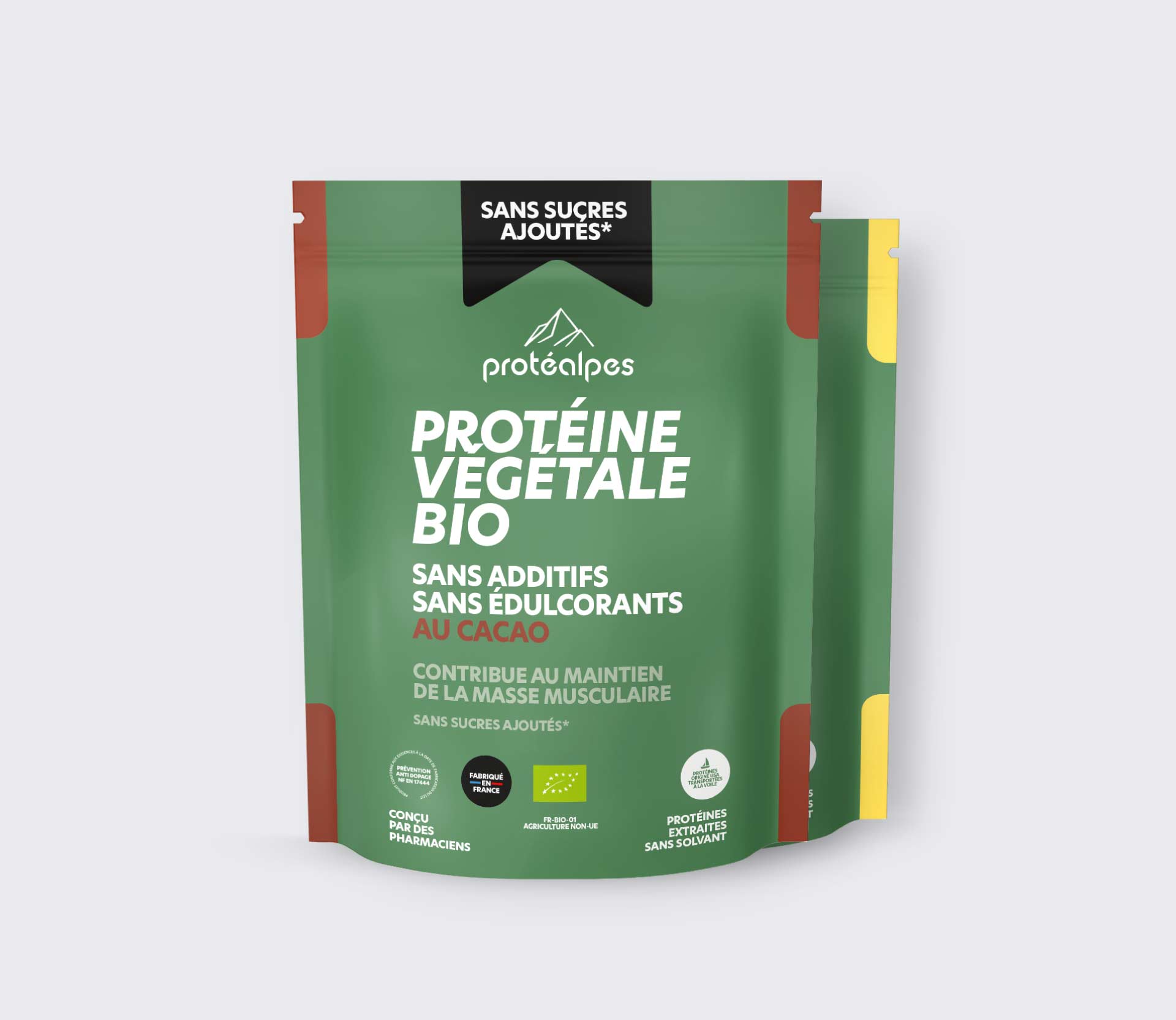
- Label – Plant-based protein – Classic line – with cocoa – 750g – Protéalpes
- Label – Plant-based protein – Classic line – Mocha flavor – 750g – Protéalpes
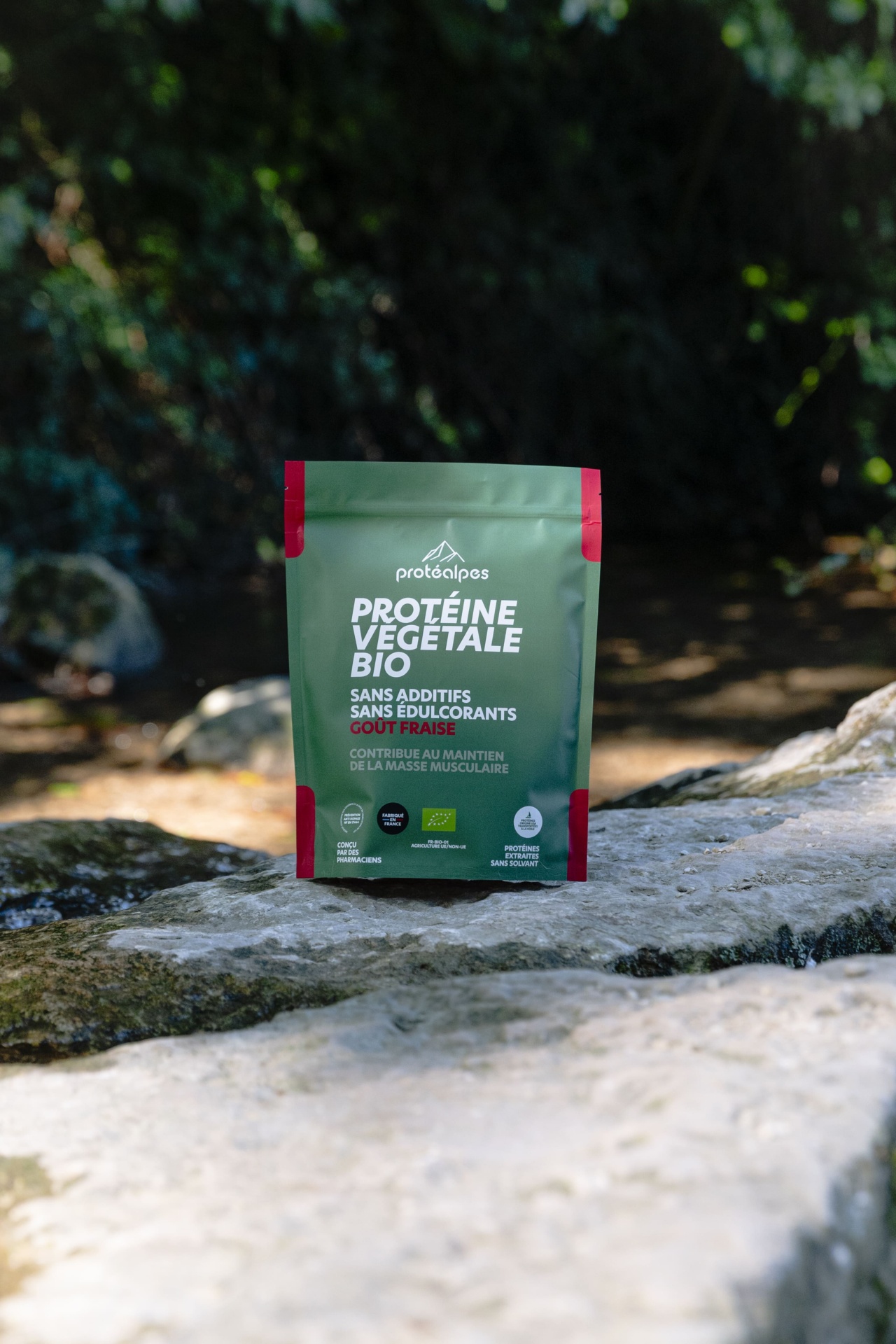
- Label – Plant-based protein – Classic line – Strawberry flavor – 750g – Protéalpes
- Label – Plant-based protein – Classic line – Apple flavor – 750g – Protéalpes
Product Reviews
Athletes' opinions
Discover also
-
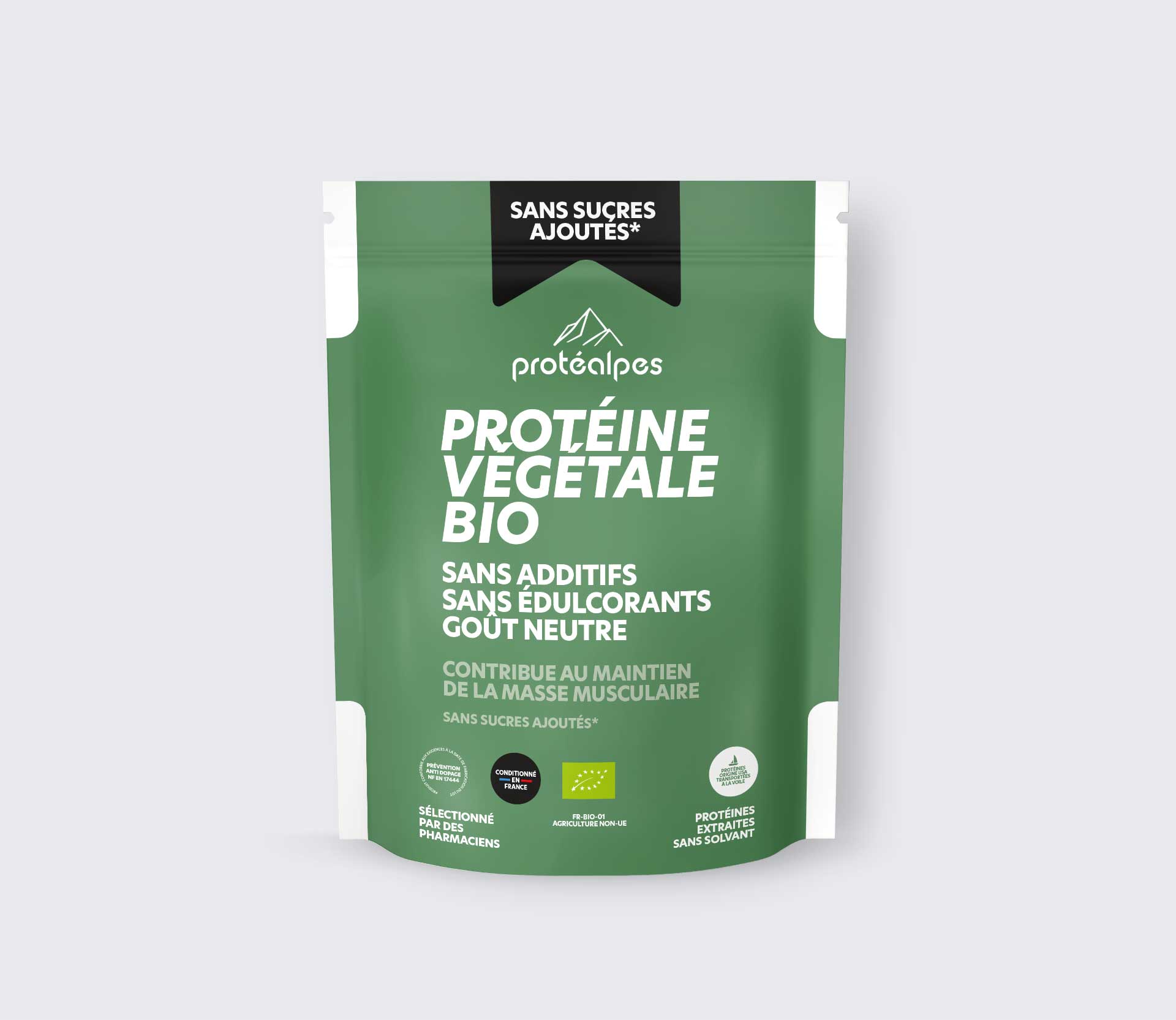
Organic plant-based protein, neutral flavor – No Added Sugar Line
Organic, Vegan, Gluten-Free, High in Protein
34,95€
540 g
-
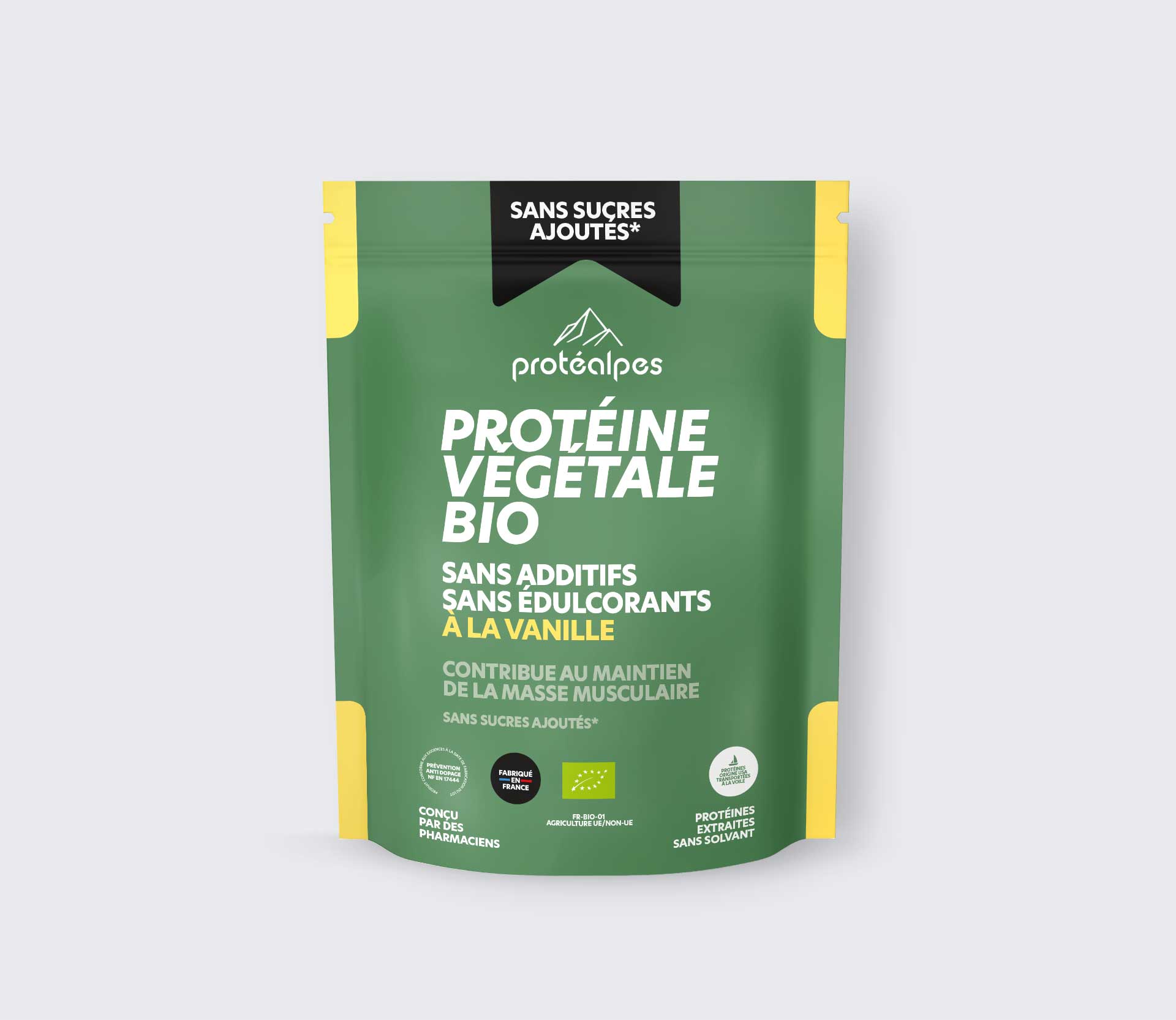
Organic Vanilla Plant-Based Protein – No Added Sugar Line
Organic, Vegan, Gluten-Free, High in Protein
34,95€
540 g
-
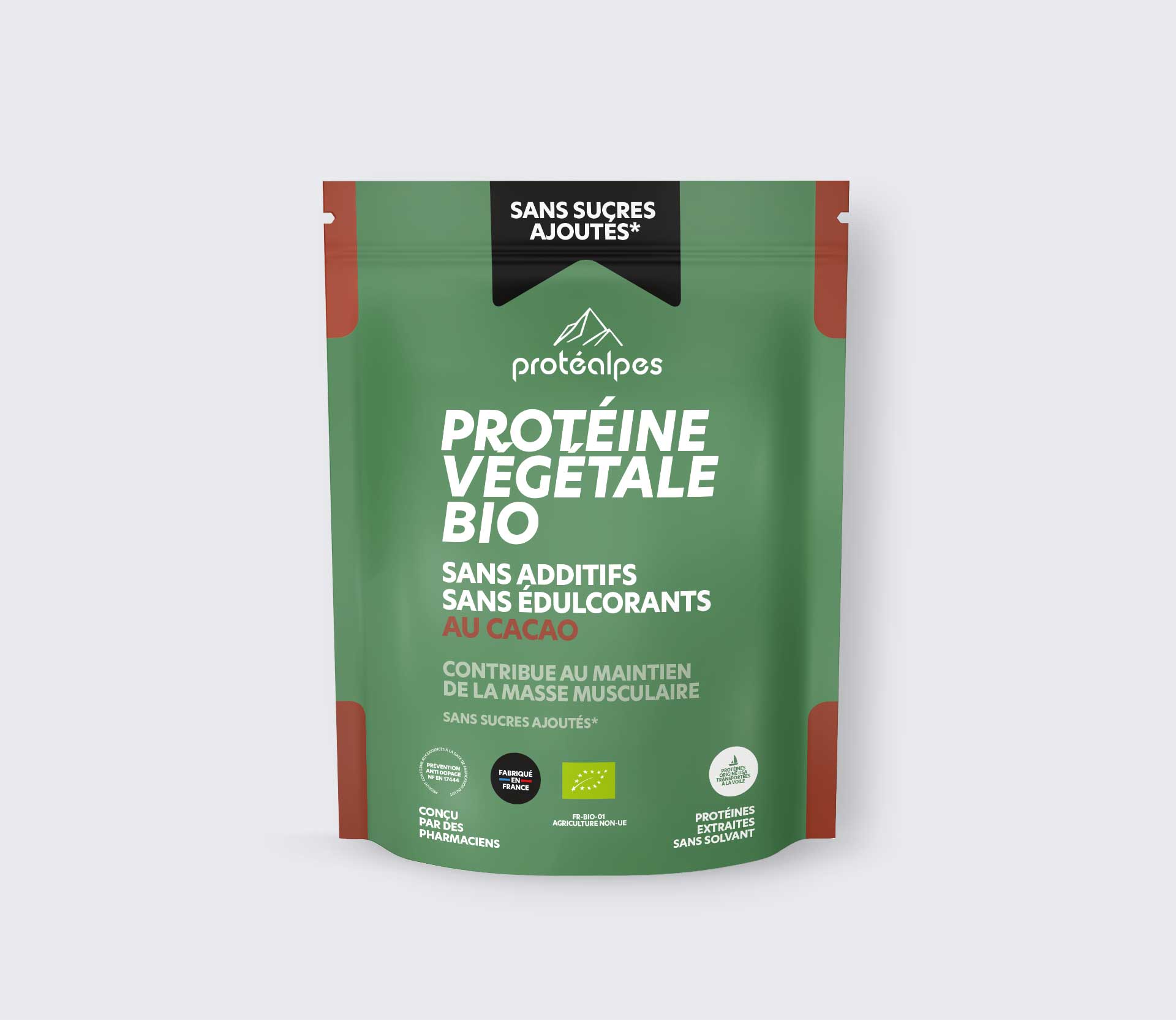
Organic Plant-Based Protein with Cocoa – No Added Sugar Line
Organic, Vegan, Gluten-Free, High in Protein
34,95€
540 g
-
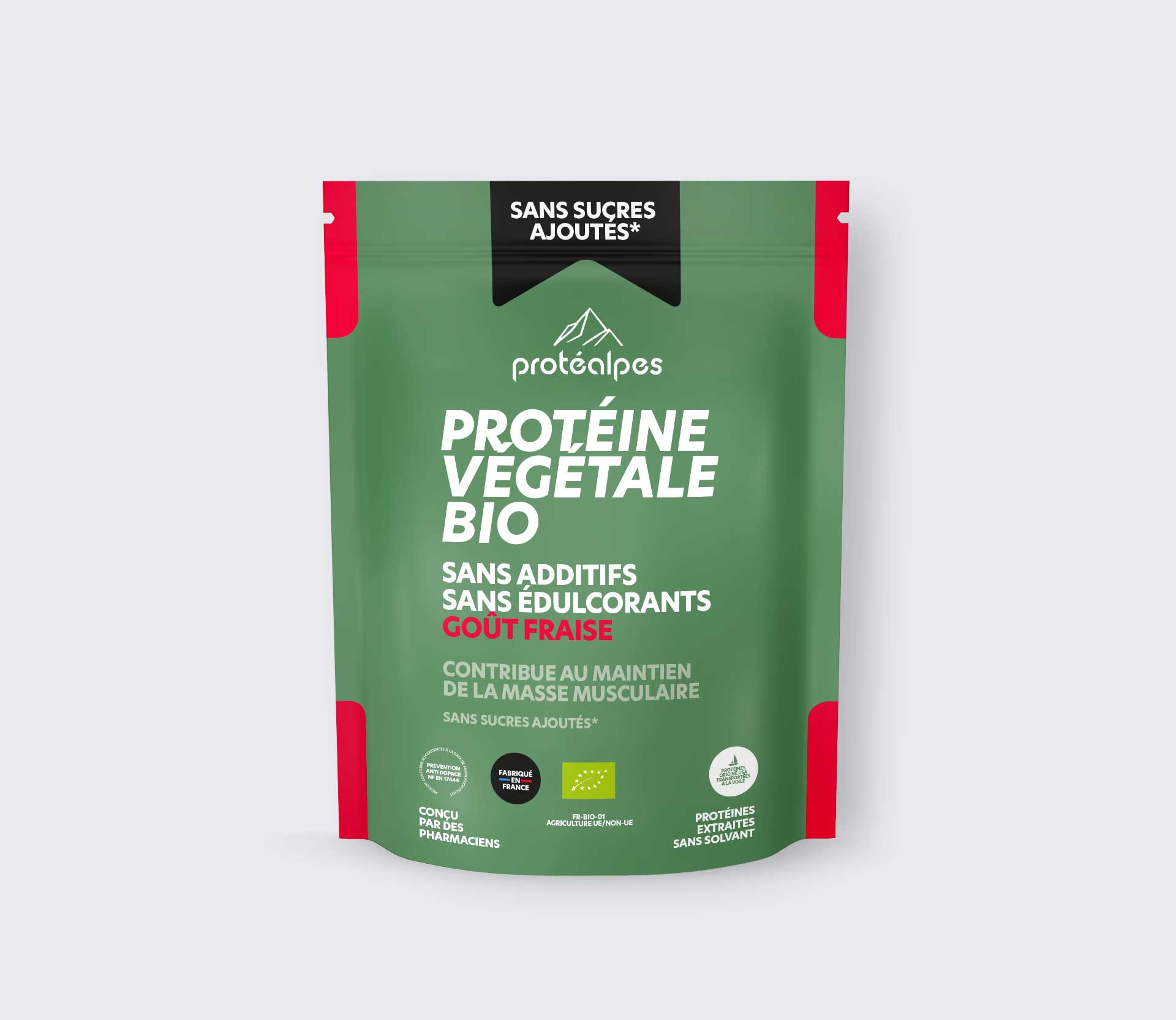
Organic Strawberry-Flavored Plant-Based Protein – No Added Sugar Line
Organic, Vegan, Gluten-Free, High in Protein
34,95€
540 g
-
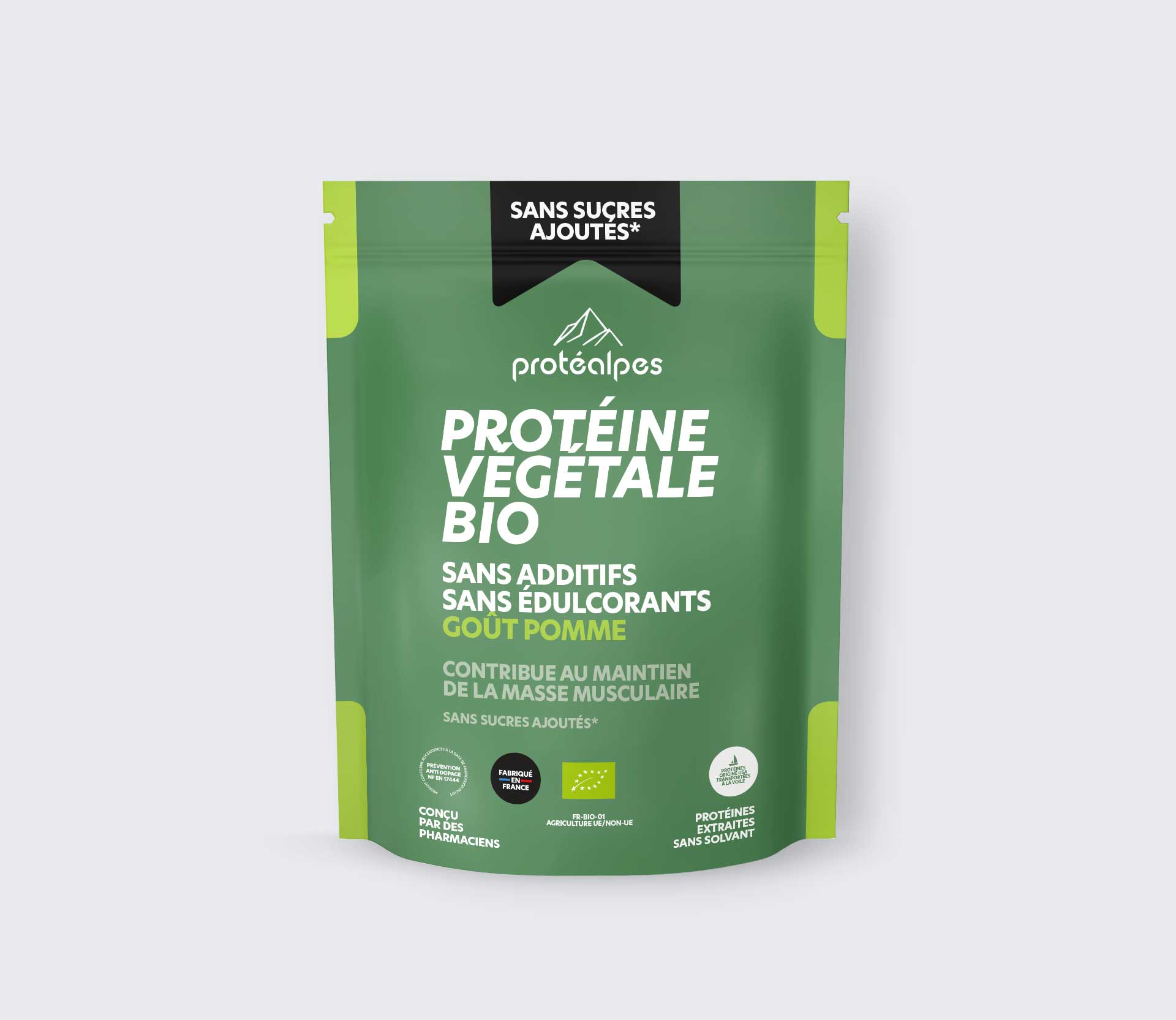
Organic Apple-Flavored Plant-Based Protein – No Added Sugar Line
Organic, Vegan, Gluten-Free, High in Protein
34,95€
540 g
-
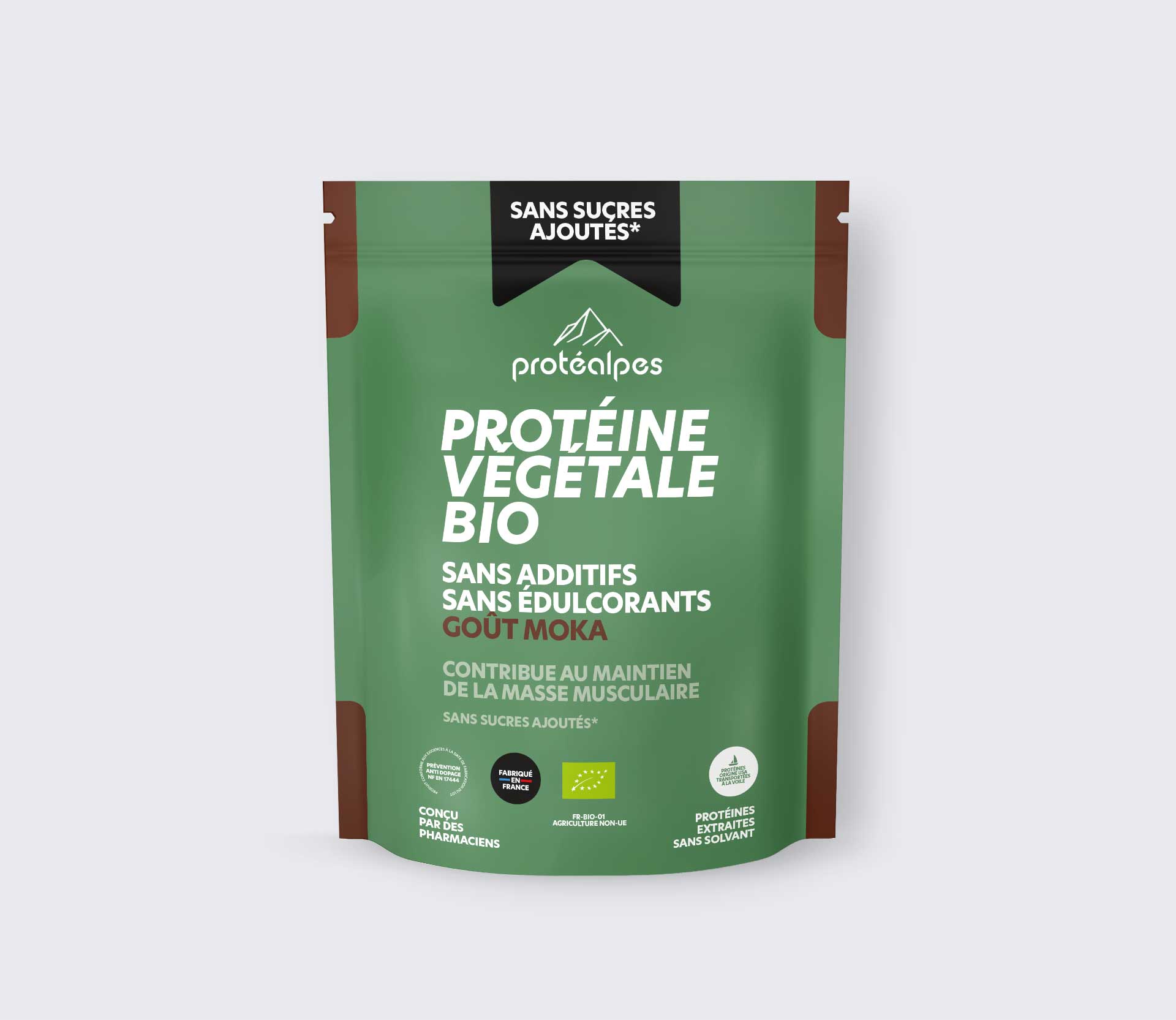
Organic Plant-Based Protein with Mocha Flavor – No Added Sugar Line
Organic, Vegan, Gluten-Free, High in Protein
34,95€
540 g
-
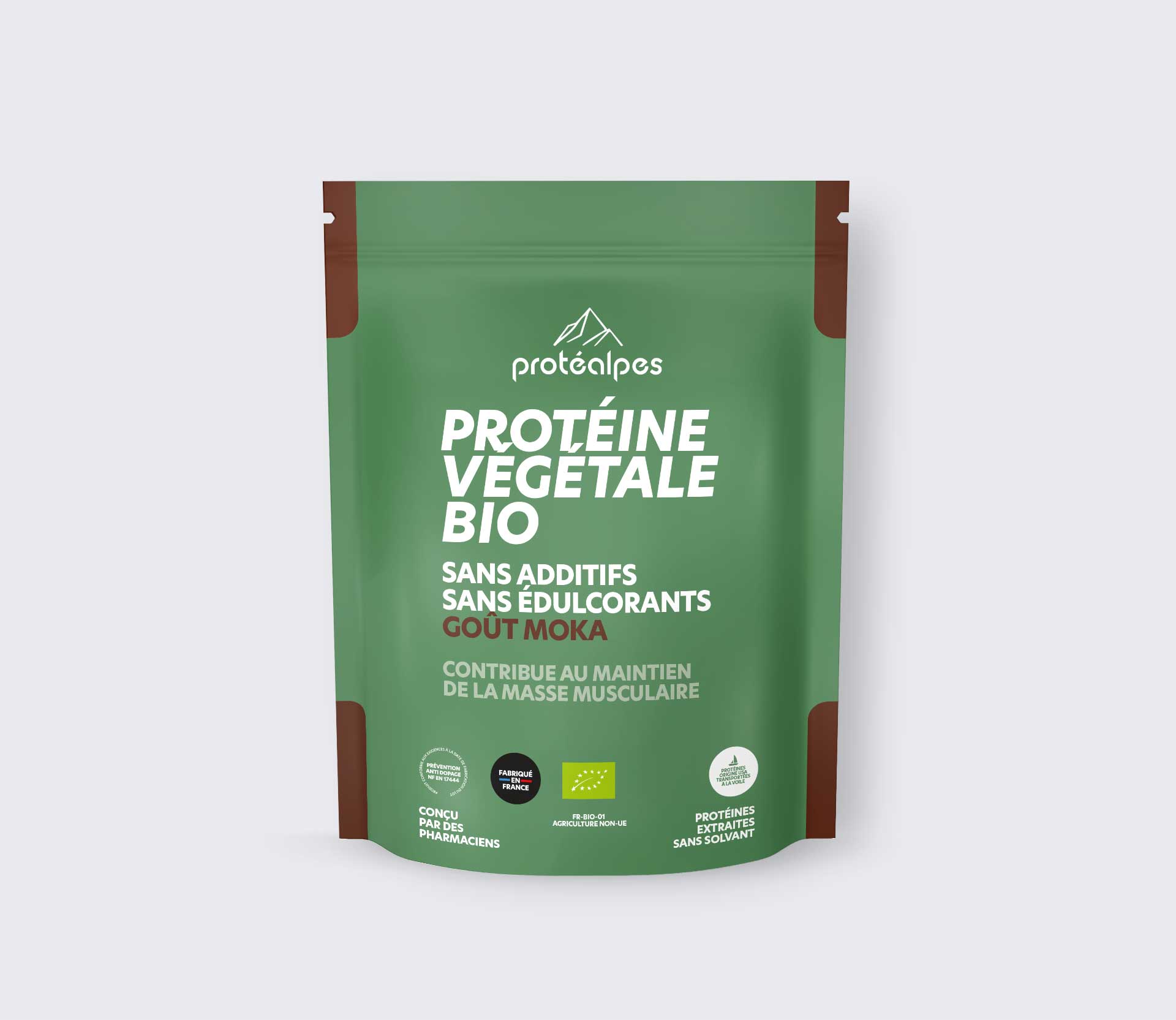
Organic Plant-Based Protein with Mocha Flavor – Classic Line
Organic, Vegan, Gluten-Free, High in Protein
39,95€
750 g
-
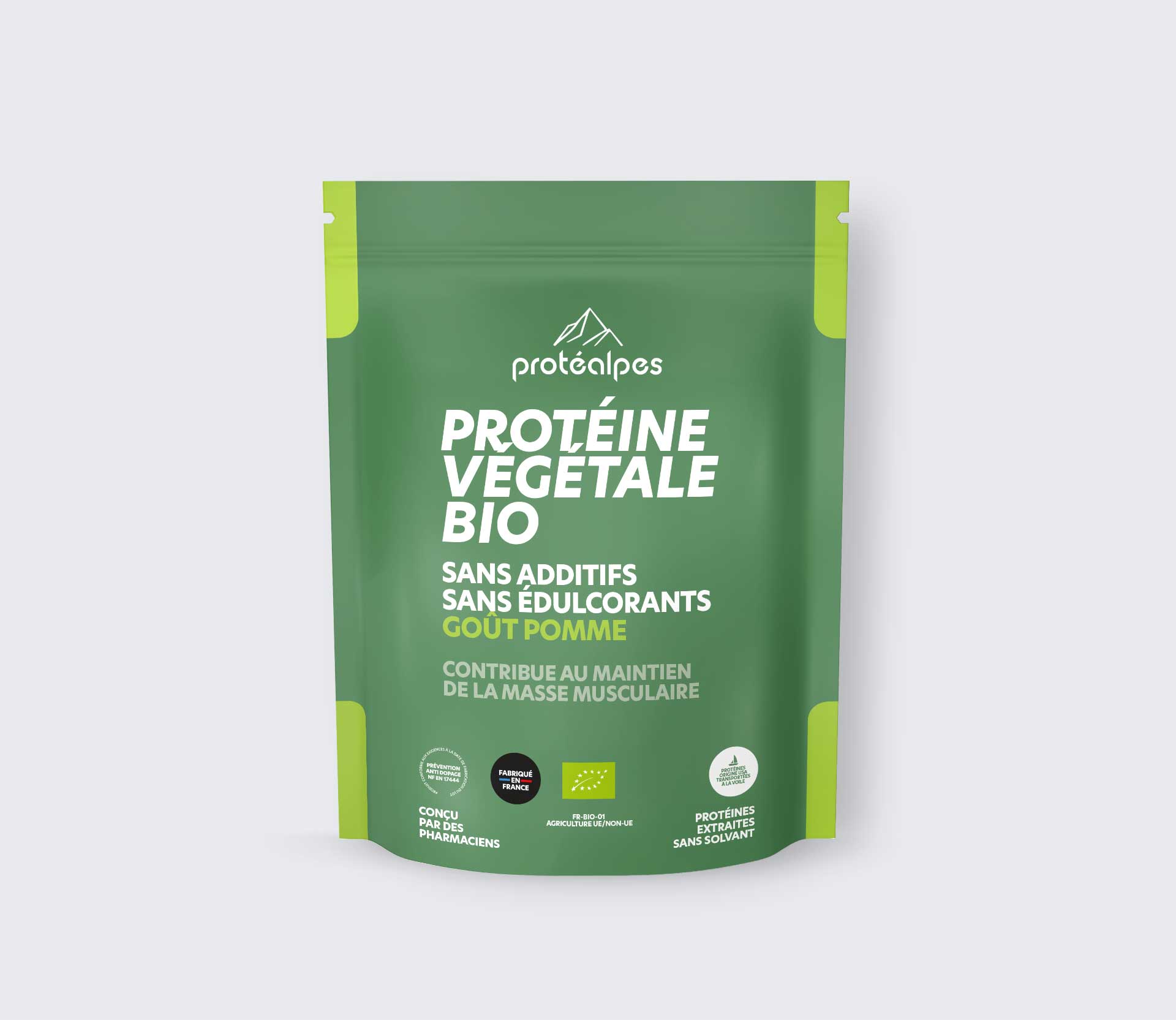
Organic Apple-Flavored Plant-Based Protein – Classic Line
Organic, Vegan, Gluten-Free, High in Protein
39,95€
750 g
-
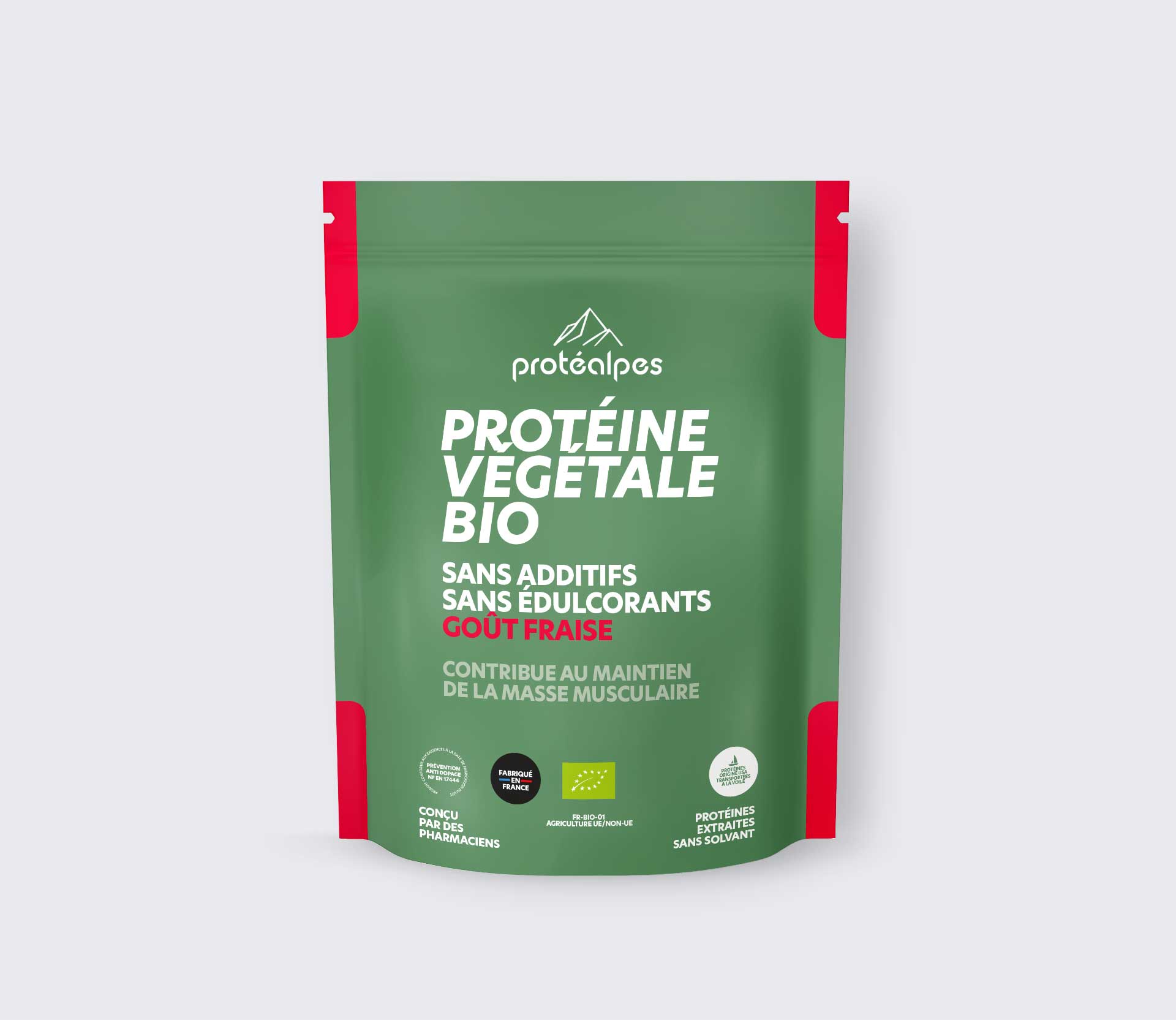
Organic Strawberry-Flavored Plant-Based Protein – Classic Line
Organic, Vegan, Gluten-Free, High in Protein
39,95€
750 g
-
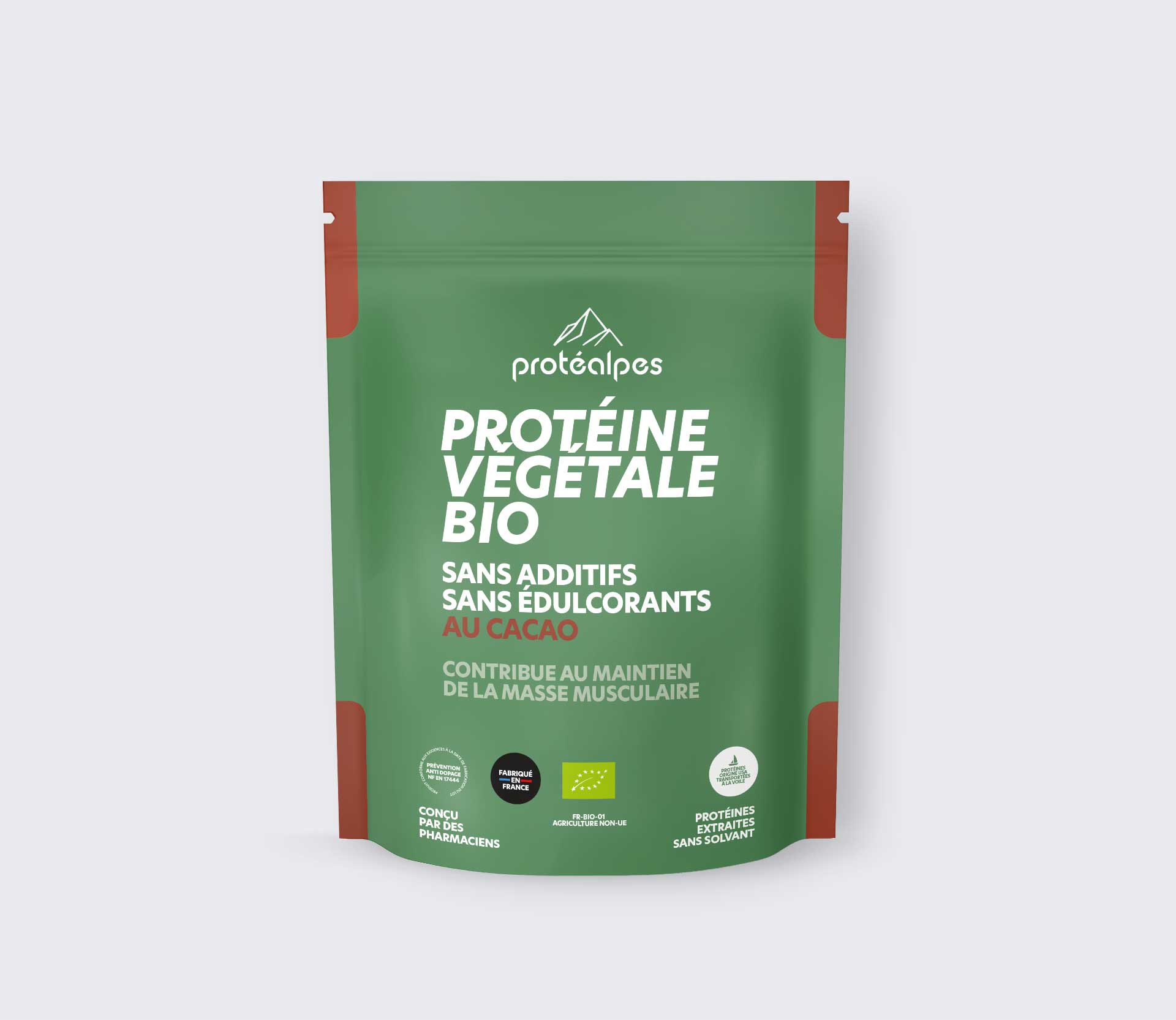
Organic Plant-Based Protein with Cocoa – Classic Line
Organic, Vegan, Gluten-Free, High in Protein
39,95€
750 g
-
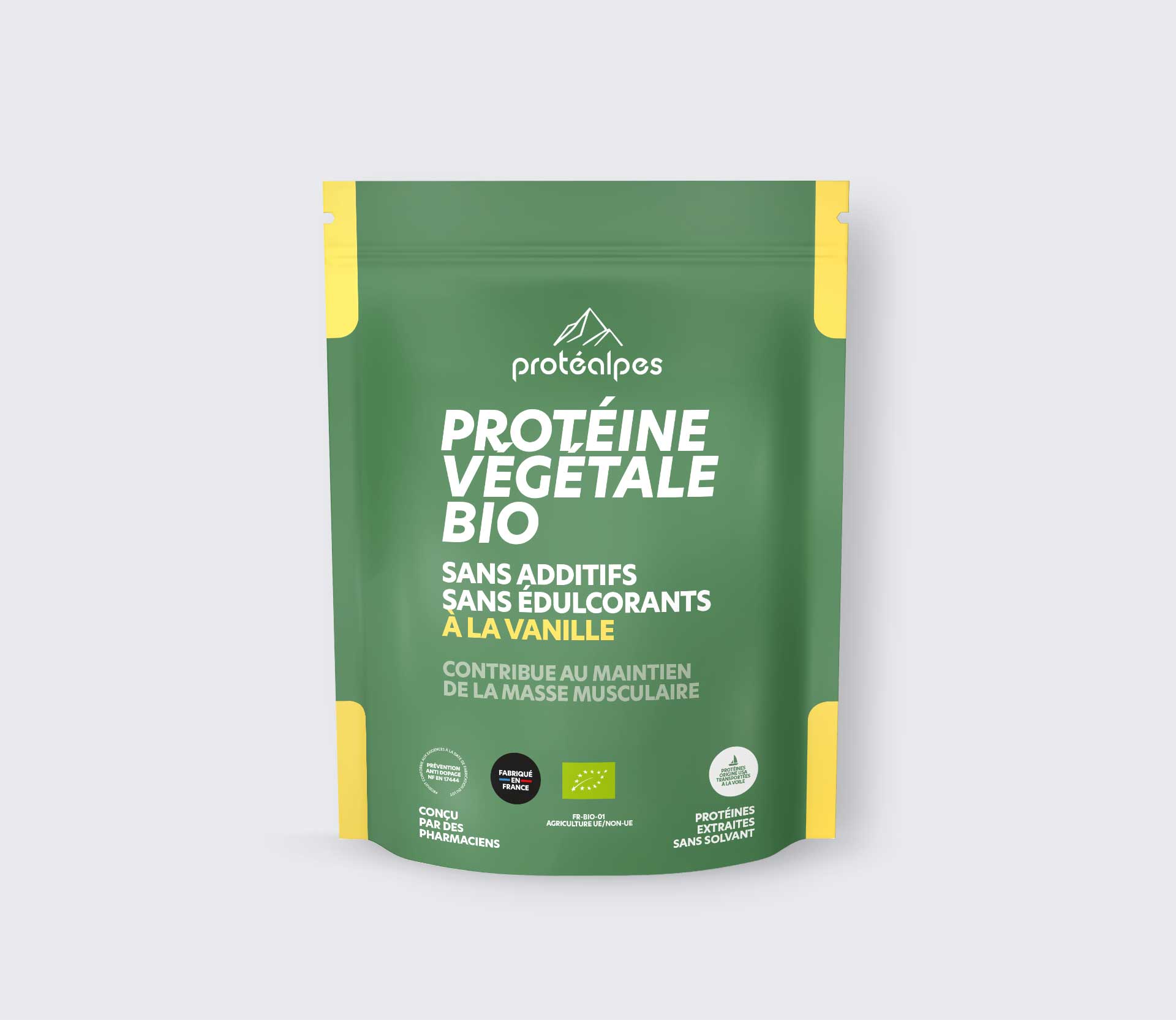
Organic Vanilla Plant-Based Protein – Classic Line
Organic, Vegan, Gluten-Free, High in Protein
39,95€
750 g
-

Creapure® Creatine Powder
Gluten-free
Price range: €27.95 to €57.90
250 g - 83 portions
-

Organic cassava maltodextrin - Neutral
Gluten-free
24,95€
800 g
-

Whey protein vanilla - Classic range
Gluten-free, High protein
34,95€
750 g
-

Mass Gainer with cocoa
Gluten-free, High in calories, High in protein
54,95€
2 kg
-

Mass Gainer caramel flavour
Gluten-free, High in calories, High in protein
54,95€
2 kg
-

Mass Gainer strawberry flavour
Gluten-free, High in calories, High in protein
54,95€
2 kg
-

Whey protein with cocoa - Classic range
Gluten-free, High protein
34,95€
750 g
Frequently asked questions
What is pea protein?
Derived from yellow peas, a legume, pea protein is offered here in isolate form. The peas are processed with water using mechanical separation and without chemical solvents, which allows the proteins to be isolated and concentrated while preserving their nutritional profile. They are then dried to produce a fine powder.
These proteins are primarily globulins (legumin, vicilin) and albumins. Composed of amino acids, they form a naturally complete profile that includes all essential amino acids. Peas are notable for their high content of arginine, lysine, and BCAAs (leucine, isoleucine, valine), which contribute to muscle protein synthesis. They contain slightly fewer sulfur-containing amino acids (methionine, cysteine), a deficiency that a varied diet is sufficient to compensate for.
Is our classic line a weight gainer?
A weight gainer is a protein product that generally contains more carbohydrates than protein. The ideal formula combines 20 to 25 g of protein with about three times as many carbohydrates, in order to provide plenty of calories in addition to protein for those looking to gain weight. This is not the case with our classic line, which is limited to the minimum amount of carbohydrates needed to complement the protein, with a slight contribution toward replenishing glycogen stores.
For sweetening, we’ve opted for sugar rather than artificial sweeteners such as sucralose or aspartame, which are up to 600 times sweeter than sugar. However, sugar takes up volume and mass in the mixture; as a result, the protein concentration is slightly lower per 100 g of finished product. Once the powder is mixed in the shaker, carbohydrates account for about 5%.
What is pea protein used for?
Athletes often take it after a workout because protein helps build and maintain muscle mass. It is also a good source of amino acids to supplement daily protein intake, especially for those following a vegetarian, vegan, or flexitarian diet.
Does your plant-based protein contain added BCAAs?
None: We do not add any additional proteins or amino acids. Almost all of the amino acids come from pea isolate, which is rich in BCAAs (leucine, isoleucine, valine) and arginine; a negligible amount comes from other ingredients, such as cocoa. When you see “BCAA,” “L-leucine,” or “EAA” in an ingredient list, these are isolated amino acids added to the protein—something we’ve chosen not to do.