






21,5 g
Protein per dose
3,9 g
BCAA per dose
< 0,1 %
Sugar concentration after shaker mixing
 | Organic pea protein, traceable from the field to this product |
 | No additives, no sweeteners |
 | Dissolves easily in water or a plant-based beverage |
 | High-quality amino acids, naturally rich in BCAAs |
 | Ideal for post-training recovery |
 | Standard anti-doping products |
In detail
- Ideal for those seeking an unsweetened taste
- High in protein, 100% plant-based and vegan, certified free of performance-enhancing substances and gluten-free
- Proteins help maintain and strengthen muscle fibres
- Optimum recovery
- Organic yellow pea protein isolate produced without solvents, filtered in-house by Puris from peas sourced through its own North American supply chain
- Crude protein shipped by sail to France; product manufactured and packaged by Protéalpes in Albertville
Ingredients
Powdered mix, rich in plant-based protein
- Pea protein* (87.5%), low-fat cocoa powder*, decaffeinated instant coffee*
*Organic agricultural ingredients
. Certified by FR-BIO-01
No sweeteners (sucralose, aspartame, acesulfame k, steviol glycosides...)
Gluten-free


Very detailed description
Ingredients
Powdered mix, rich in plant-based protein
- Pea protein* (87.5%), low-fat cocoa powder*, decaffeinated instant coffee*
*Organic agricultural ingredients
. Certified by FR-BIO-01
No sweeteners (sucralose, aspartame, acesulfame k, steviol glycosides...)
Gluten-free
Pea isolate: an amino acid supplement for athletes
Exercise accelerates the breakdown of muscle proteins, which increases the body’s protein requirements. To support protein synthesis, it is therefore essential to provide the body with the amino acids it needs—both during the recovery phase and as part of your daily diet—and even more so if you consume little animal protein.
In the world of sports nutrition, pea protein isolate is a dietary supplement that:
- Is rich in BCAAs: leucine, isoleucine, and valine
- Highly digestible
- Contains all 9 essential amino acids, giving it a naturally complete profile
Objectives :
Supplement your daily protein intake, regardless of your diet: vegetarian, vegan, or flexitarian. It also helps meet your protein needs for strength and endurance training.
- Protein helps increase and maintain muscle mass
- Provide amino acids to help repair the muscle fibers that are worked during exercise
Respect for the environment and for people
- Ecocert FR Organic Certification
- Non-GMO pea varieties, selected and produced in-house by Puris
- Farmers in North America who are direct partners of Puris, a family-owned business, through a contract
- The yellow pea is a low-maintenance legume: it fixes nitrogen from the air, naturally enriches the soil, and requires little water
- A 100% sail-powered Atlantic crossing with Grain de Sail, which reduces carbon emissions from transportation from the United States
How does it differ from other plant-based proteins on the market?
Extraction in Asia, raw materials sourced from the United States and/or Asia, and multiple intermediaries: this is the typical supply chain for many plant-based proteins, and traceability is lost along the way. We chose Puris, an American family-owned company with an integrated process from seed to powder. It develops its own non-GMO seeds in-house, works with contracted North American farmers to source organic peas, and performs the extraction in its own facilities. This rare approach allows us to trace every batch back to the field.
Our nutrition products are then produced in Albertville, in the heart of the Alps, where they are carefully crafted. Formulation, packaging, and shipping: we handle all of this ourselves at our facilities, without any subcontractors. They are manufactured in accordance with the European anti-doping standard NF EN 17444, the successor to the NF V94-001 standard.
This voluntary standard aims to limit the very real risk of doping substances: of the 634 supplements purchased between 2000 and 2001 for an international study, approximately 15% contained anabolic steroids not listed on the label (1).
(1) Geyer H. et al., Int J Sports Med, 2004;25(2):124-129

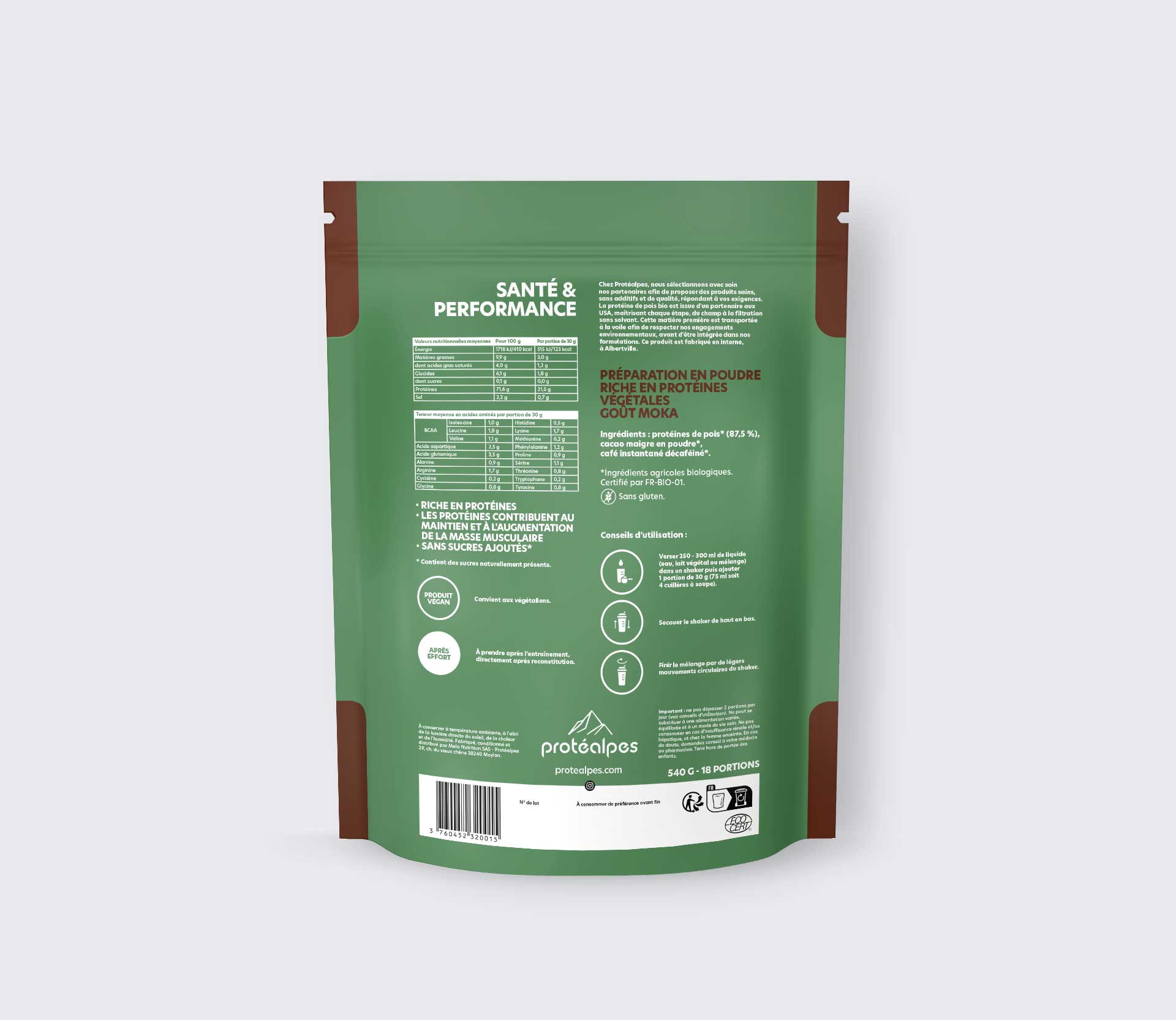
Average nutritional values
Average nutritional values | Per 100 g | Per 30 g serving |
Energy | 1,718 kJ/410 kcal | 515 kJ/123 kcal |
Fats and oils | 9,9 g | 3,0 g |
of which saturated fatty acids | 4,0 g | 1,2 g |
Carbohydrates | 6,1 g | 1,8 g |
of which sugars | 0,1 g | 0,0 g |
Protein | 71,6 g | 21,5 g |
Salt | 2,2 g | 0,7 g |
Average amino acid content
Average amino acid content per 30g serving | ||||
BCAA | Isoleucine | 1,0 g | Histidine | 0,5 g |
Leucine | 1,8 g | Lysine | 1,7 g | |
Valine | 1,1 g | Methionine | 0,2 g | |
Aspartic acid | 2,5 g | Phenylalanine | 1,2 g | |
Glutamic acid | 3,5 g | Proline | 0,9 g | |
Alanine | 0,9 g | Serine | 1,1 g | |
Arginine | 1,7 g | Threonine | 0,8 g | |
Cysteine | 0,2 g | Tryptophan | 0,2 g | |
Glycine | 0,8 g | Tyrosine | 0,8 g | |
Terms of use
- Pour 250–300 ml of liquid (water, plant-based milk, or a mixture) into a shaker, then add 1 serving of organic plant-based protein.
- Mix in a shaker, shaking up and down.
- Finish with light circular movements of the shaker*.
*As we don't use lecithin (a foam-reducing surfactant), a light layer of foam may appear after mixing too vigorously. This is perfectly normal and will disappear within a few minutes.
Certificates & labels
- Label – Plant-Based Protein – Classic Line – Vanilla Flavor – 750g – Protéalpes
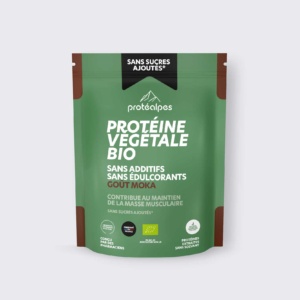
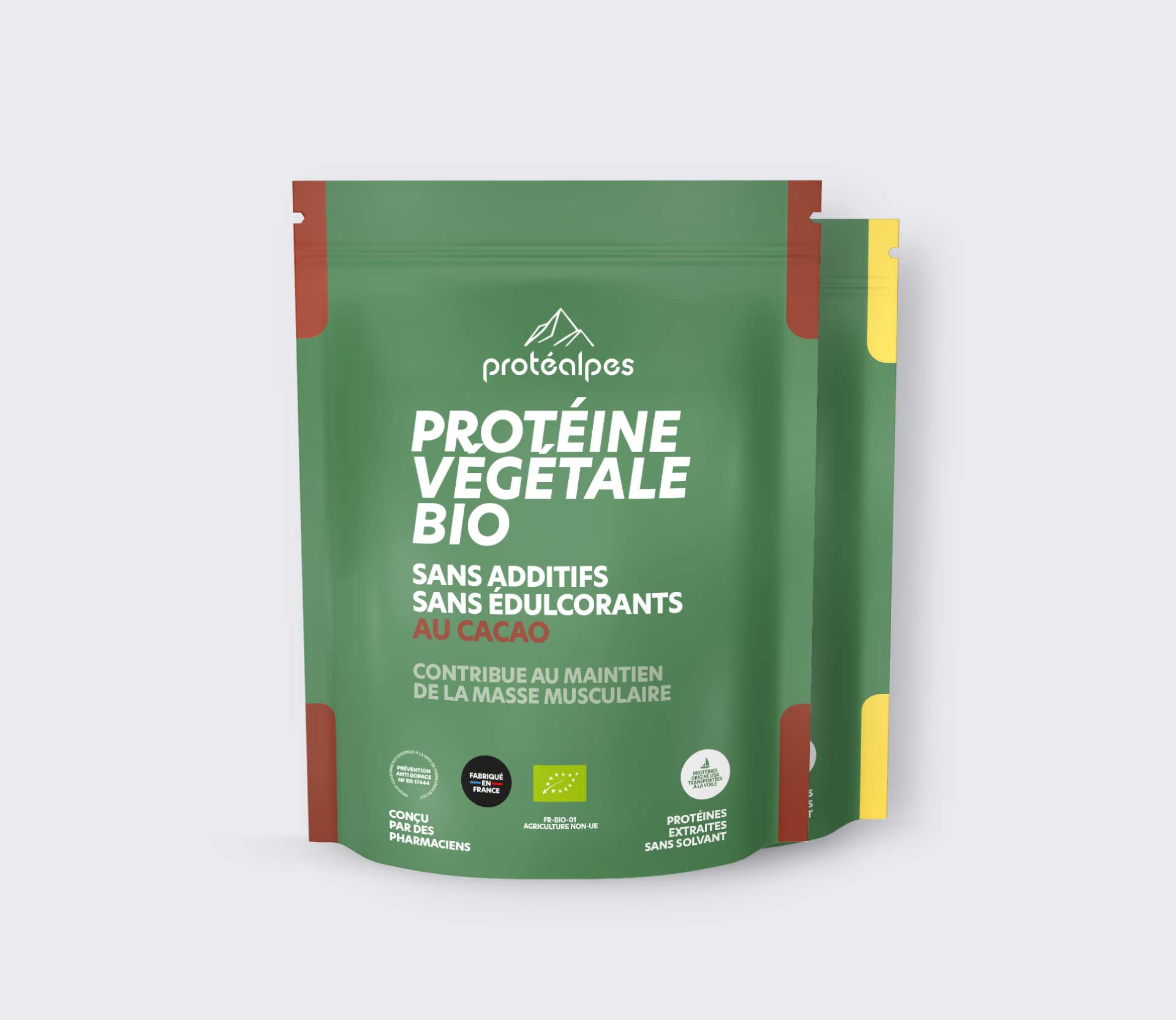
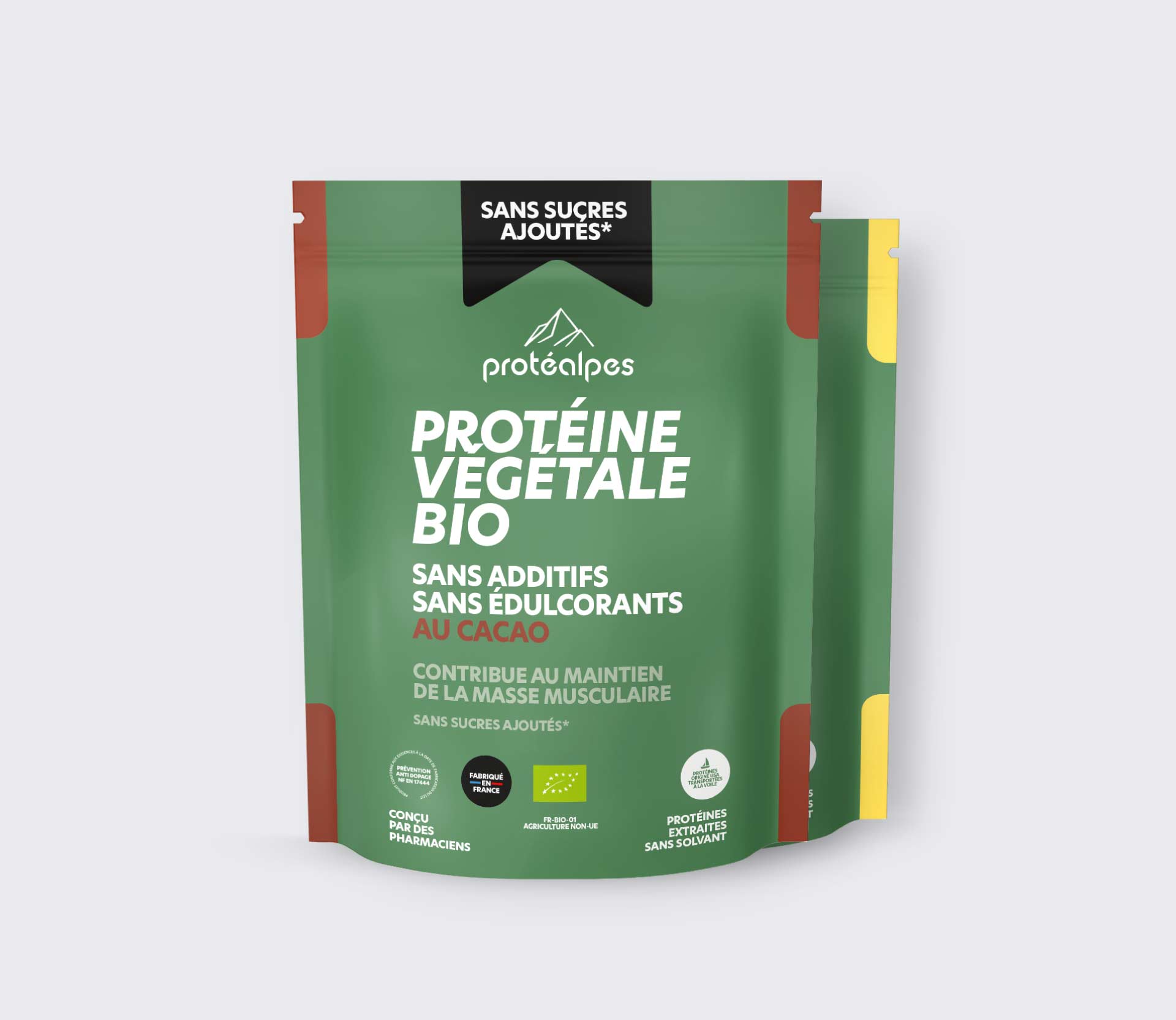
- Label – Plant-based protein – Classic line – with cocoa – 750g – Protéalpes
- Label – Plant-based protein – Classic line – Mocha flavor – 750g – Protéalpes
- Label – Plant-based protein – Classic line – Strawberry flavor – 750g – Protéalpes
- Label – Plant-based protein – Classic line – Apple flavor – 750g – Protéalpes
Product Reviews
Athletes' opinions
Discover also
-
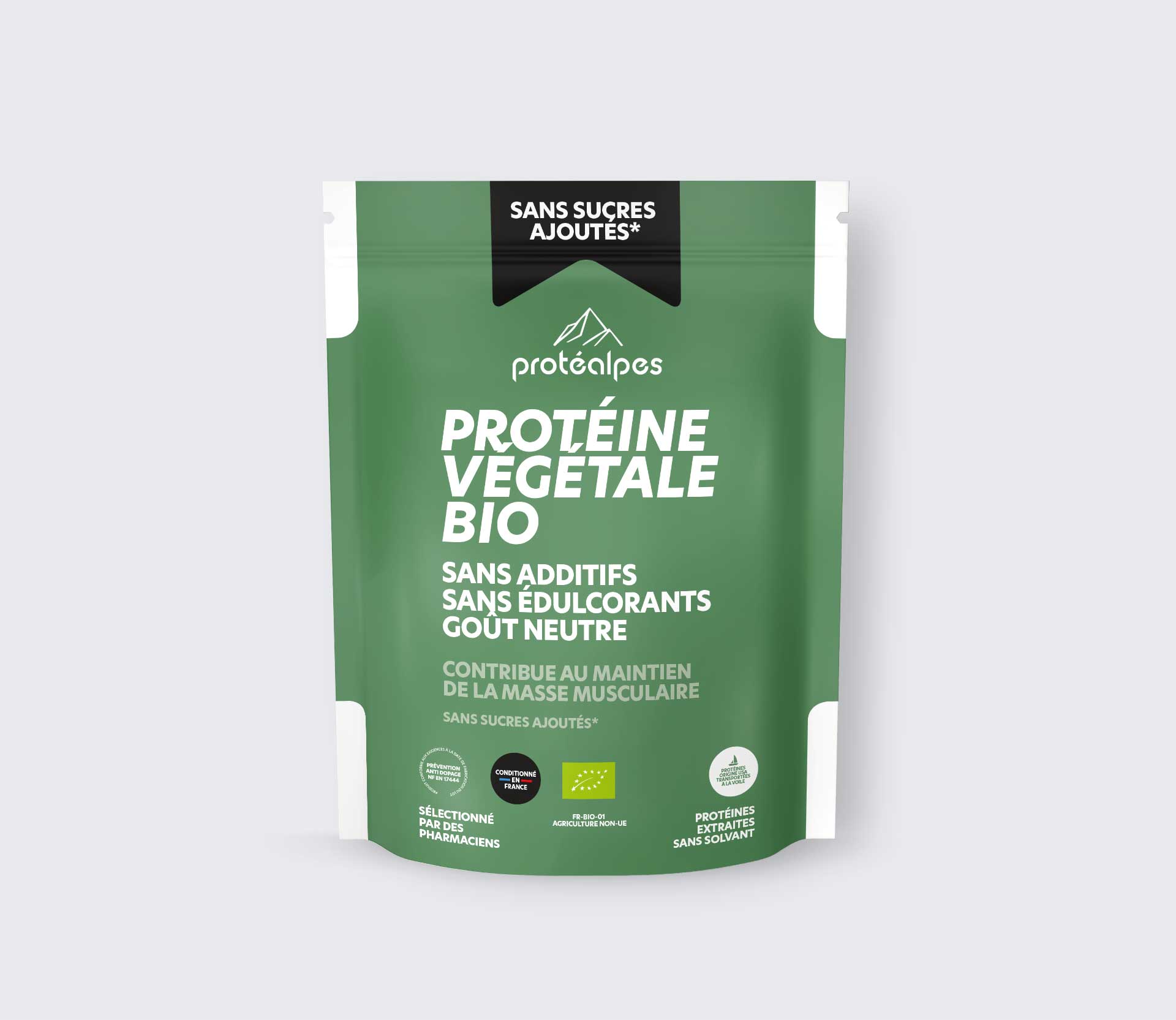
Organic plant-based protein, neutral flavor – No Added Sugar Line
Organic, Vegan, Gluten-Free, High in Protein
34,95€
540 g
-
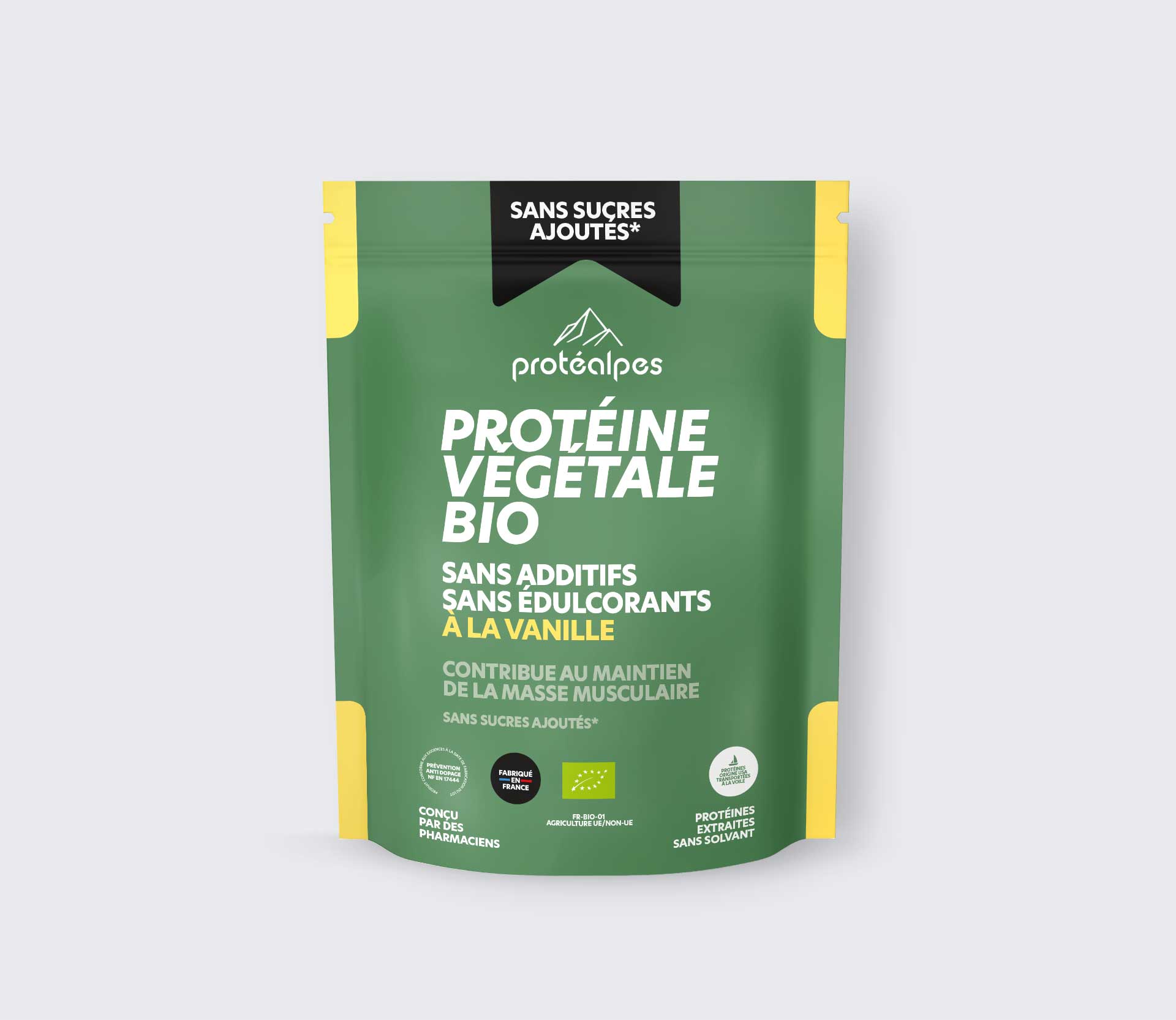
Organic Vanilla Plant-Based Protein – No Added Sugar Line
Organic, Vegan, Gluten-Free, High in Protein
34,95€
540 g
-
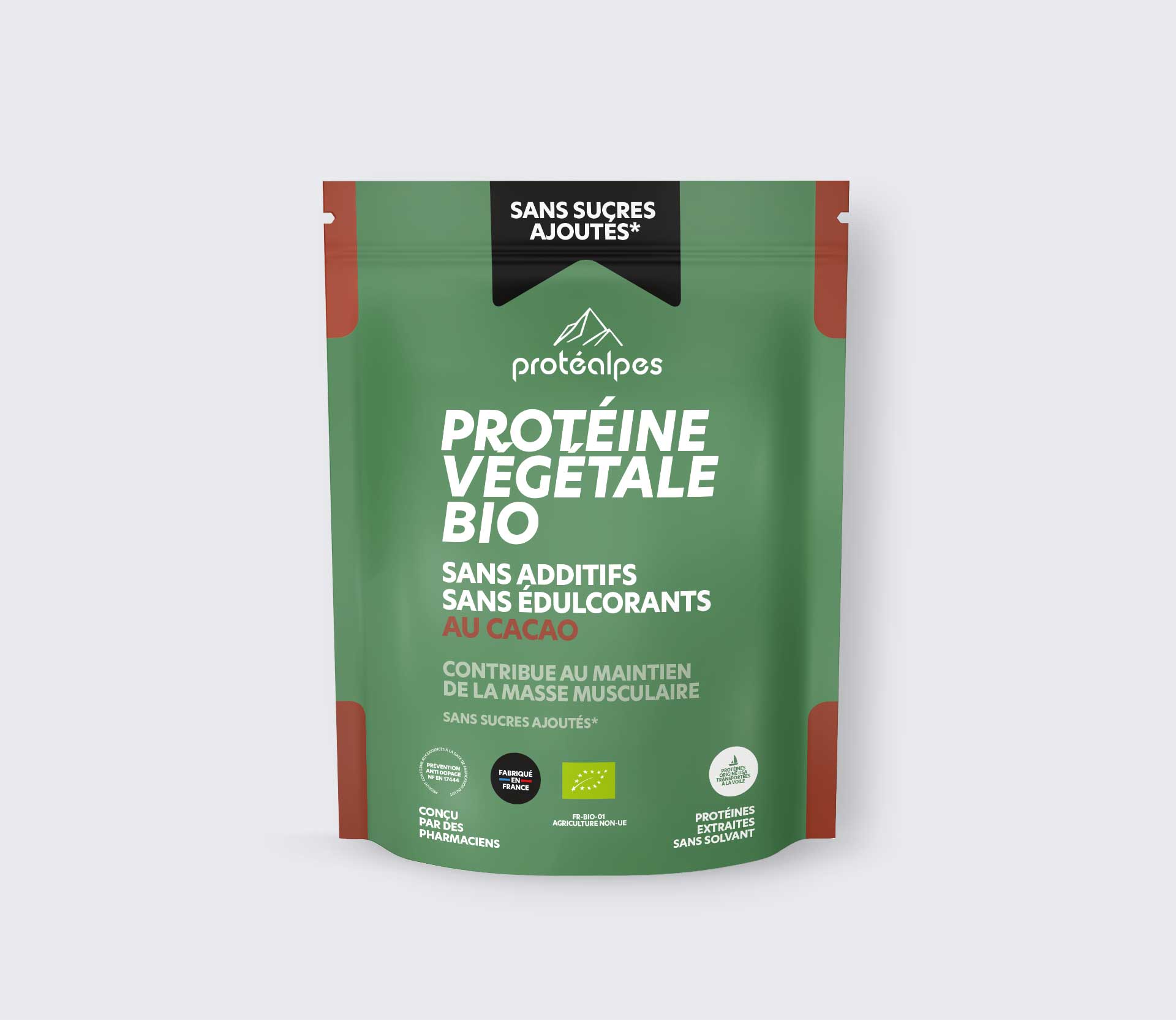
Organic Plant-Based Protein with Cocoa – No Added Sugar Line
Organic, Vegan, Gluten-Free, High in Protein
34,95€
540 g
-
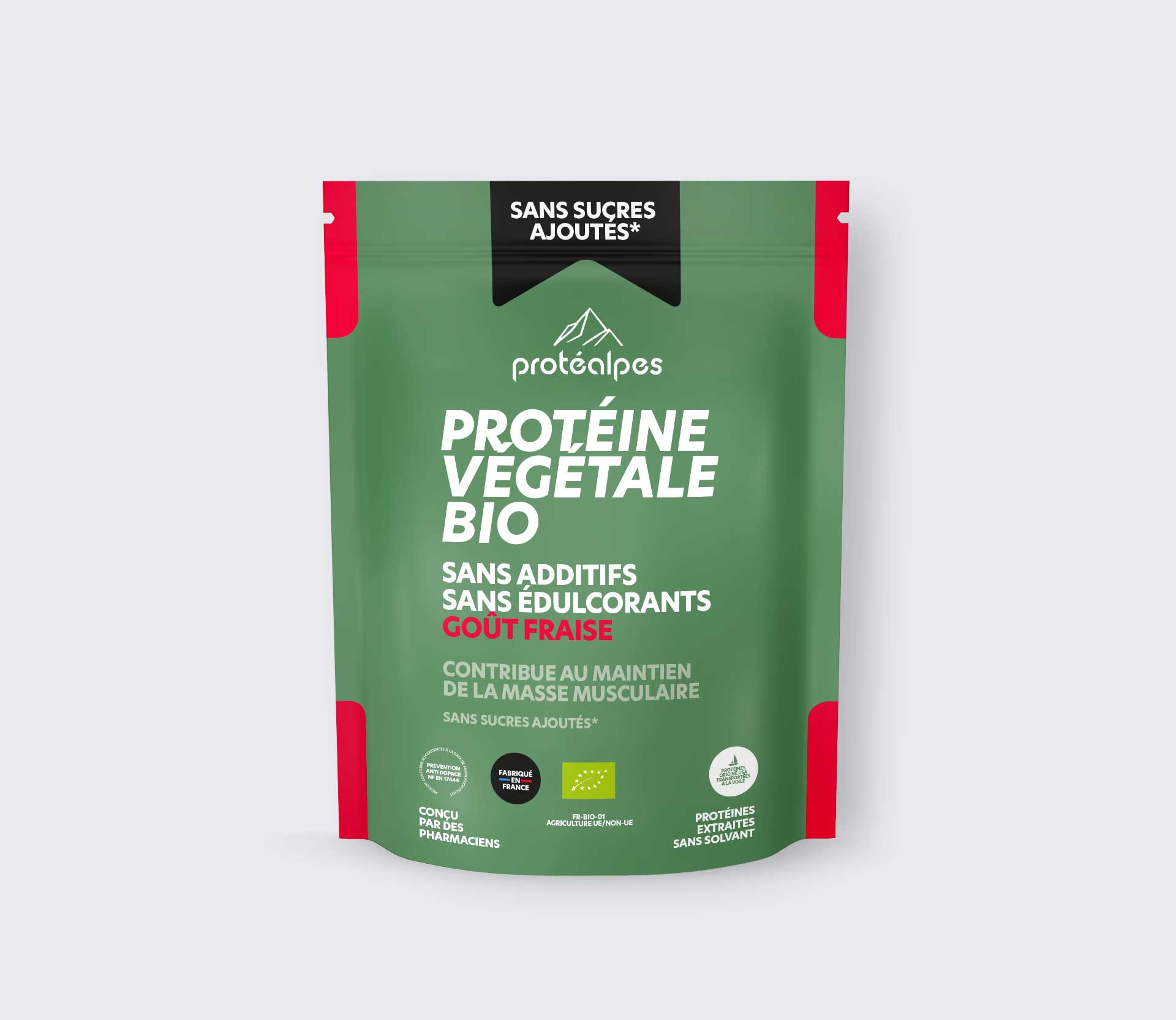
Organic Strawberry-Flavored Plant-Based Protein – No Added Sugar Line
Organic, Vegan, Gluten-Free, High in Protein
34,95€
540 g
-
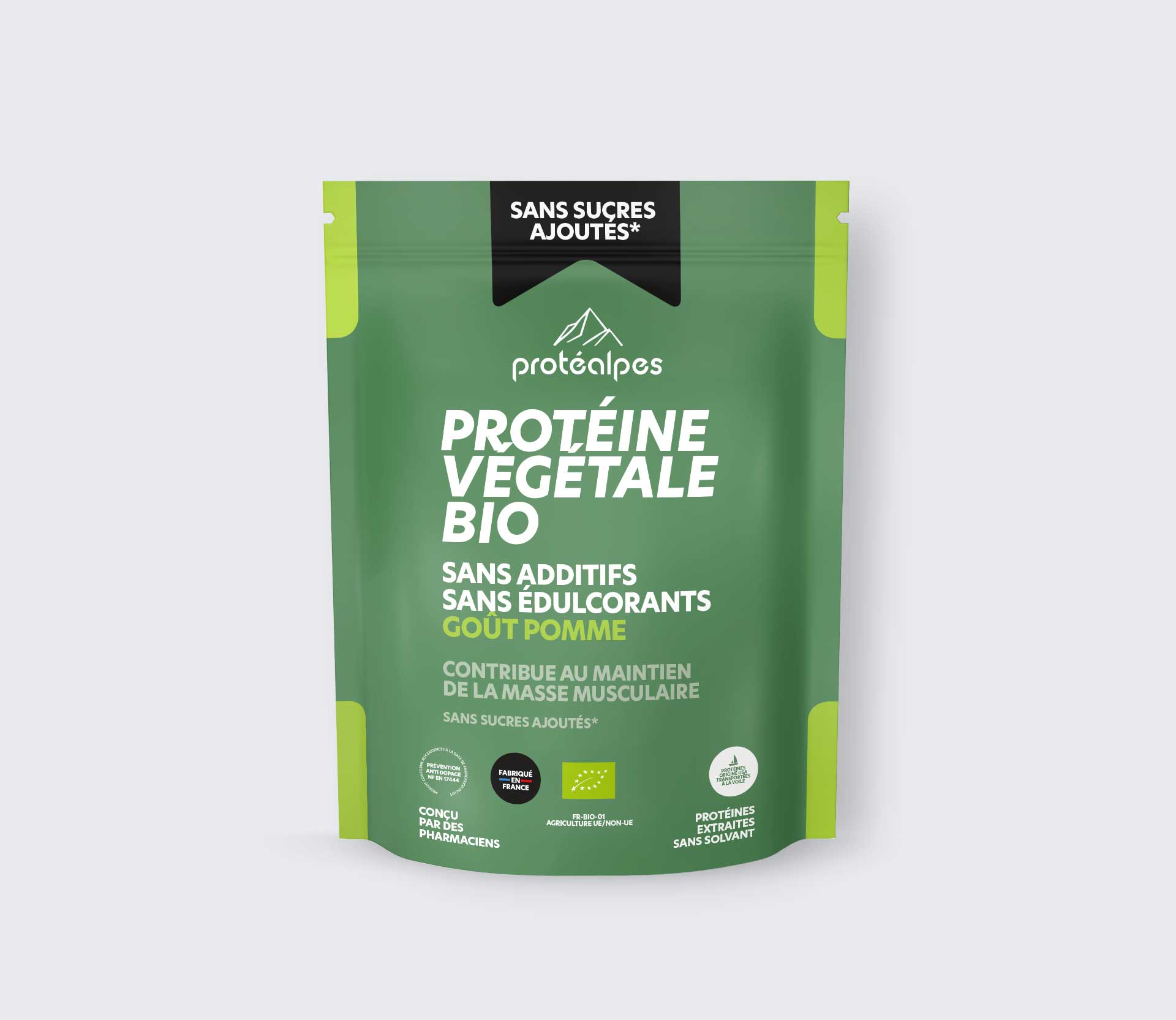
Organic Apple-Flavored Plant-Based Protein – No Added Sugar Line
Organic, Vegan, Gluten-Free, High in Protein
34,95€
540 g
-
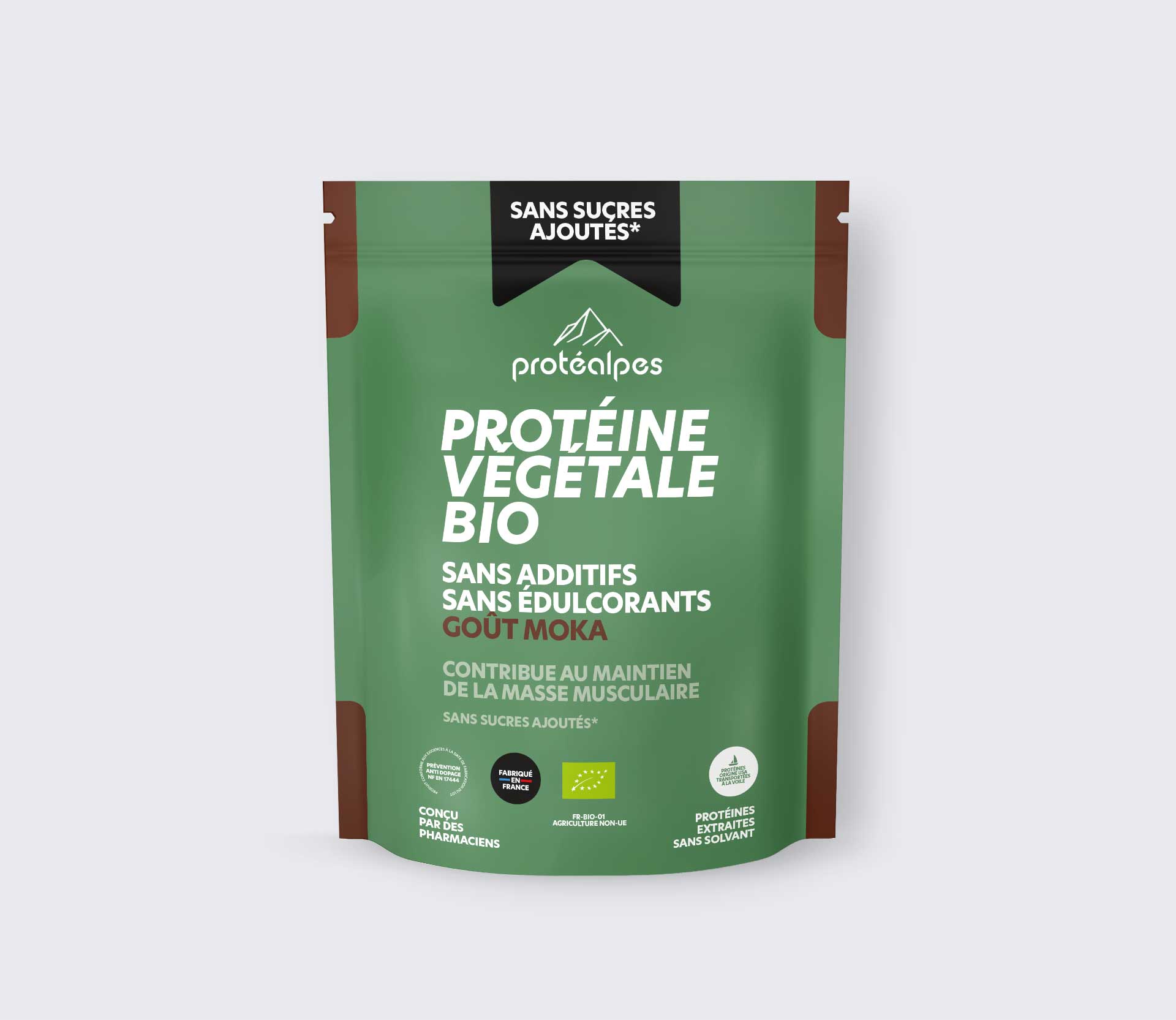
Organic Plant-Based Protein with Mocha Flavor – No Added Sugar Line
Organic, Vegan, Gluten-Free, High in Protein
34,95€
540 g
-
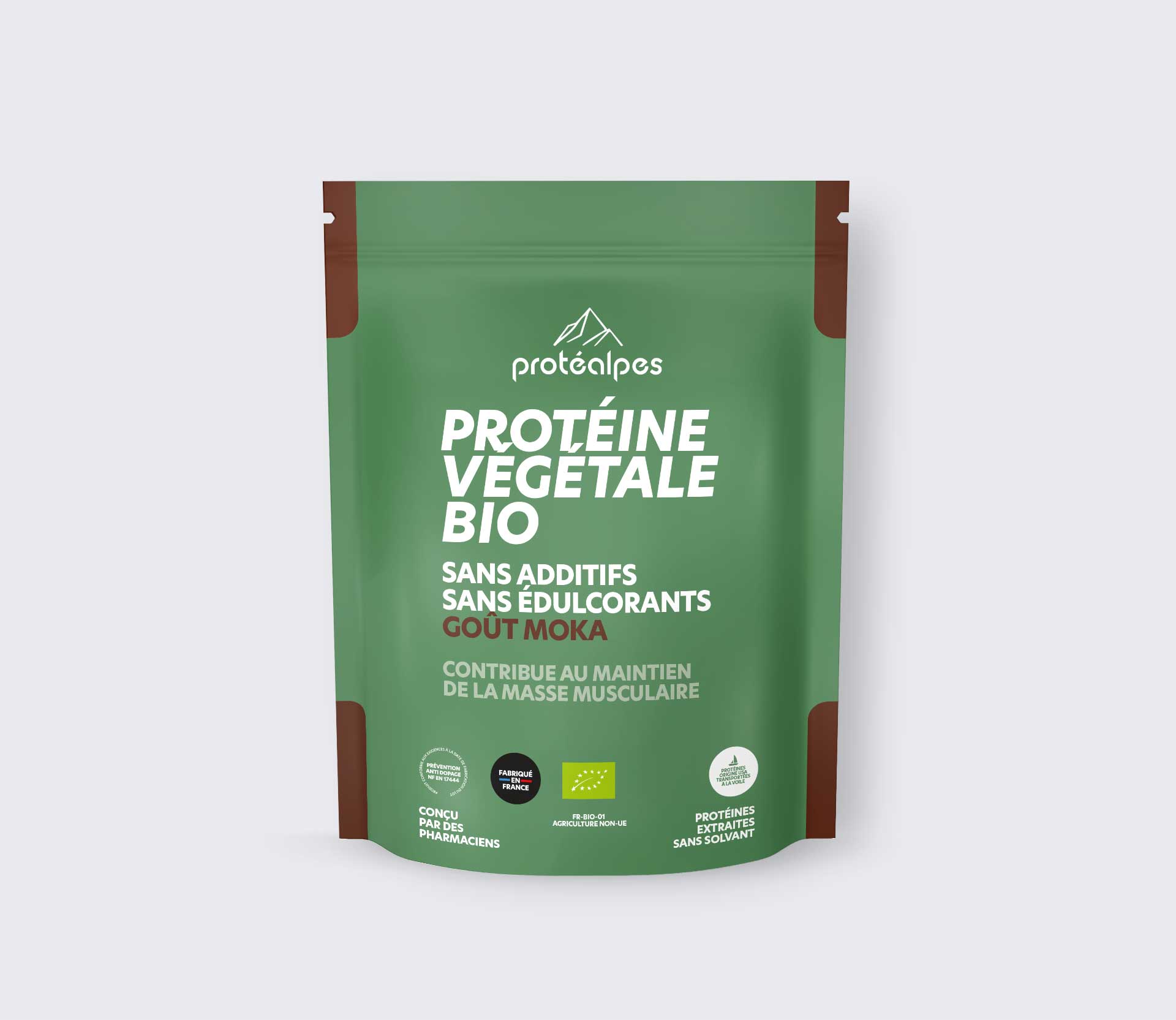
Organic Plant-Based Protein with Mocha Flavor – Classic Line
Organic, Vegan, Gluten-Free, High in Protein
39,95€
750 g
-
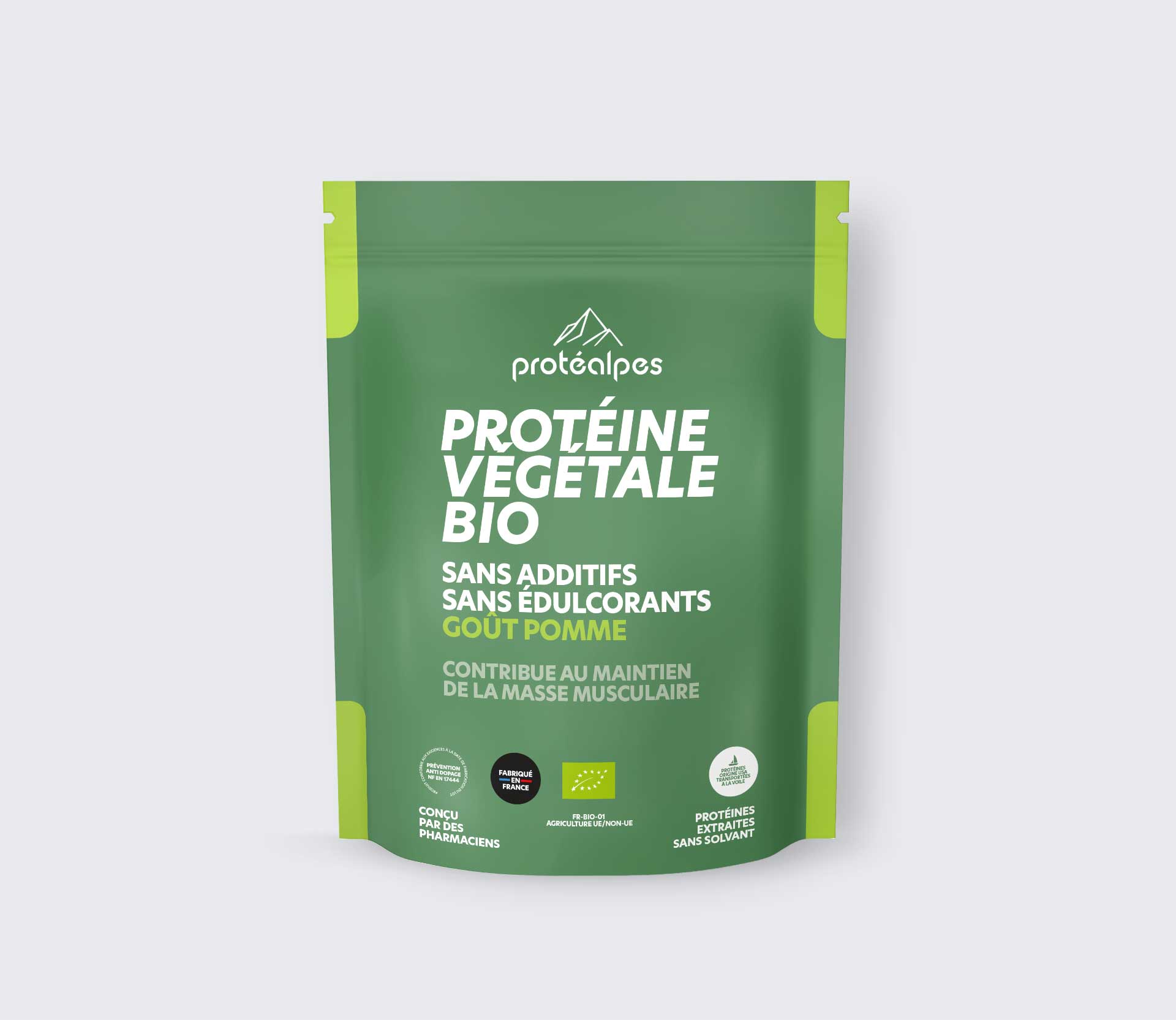
Organic Apple-Flavored Plant-Based Protein – Classic Line
Organic, Vegan, Gluten-Free, High in Protein
39,95€
750 g
-
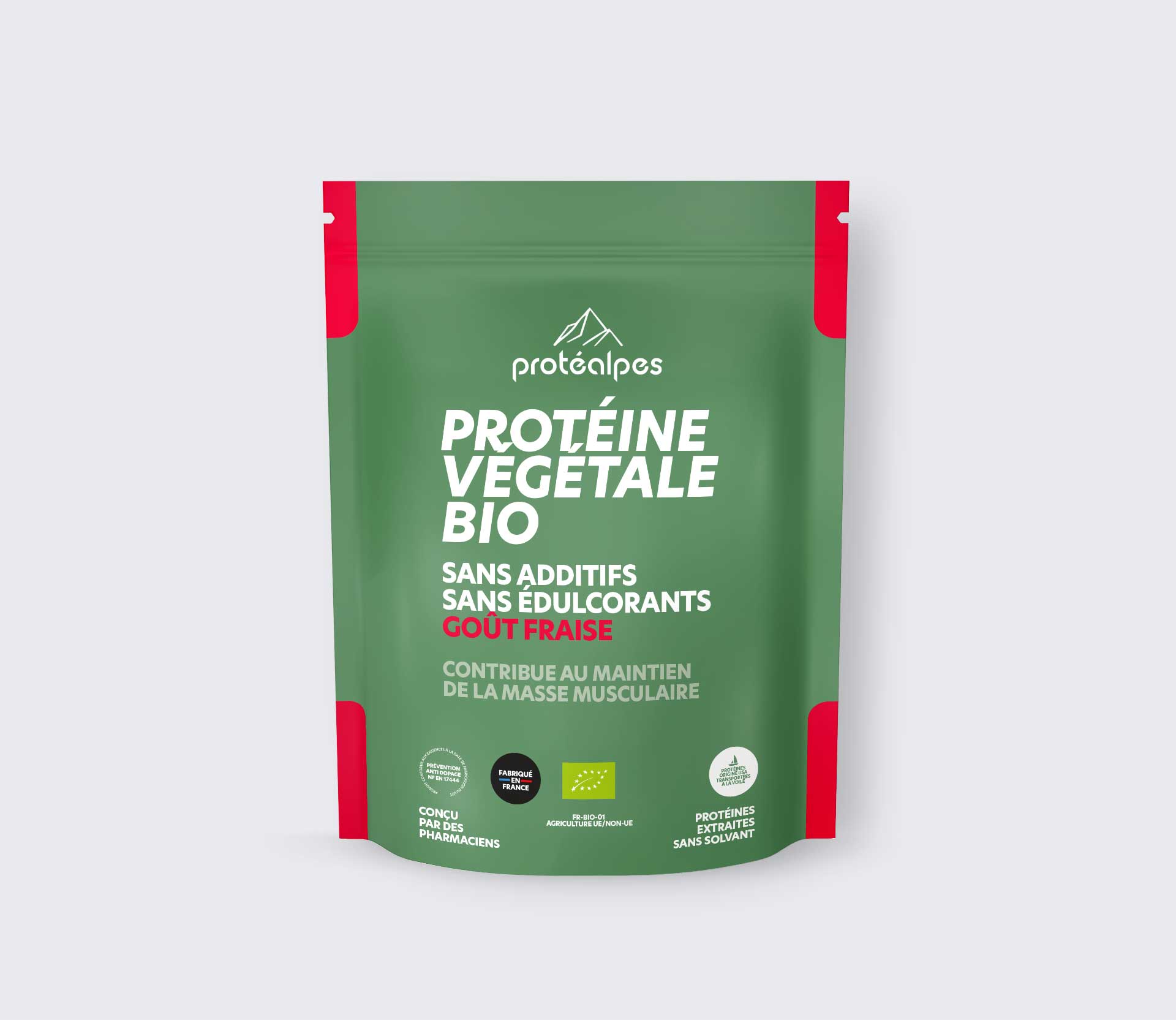
Organic Strawberry-Flavored Plant-Based Protein – Classic Line
Organic, Vegan, Gluten-Free, High in Protein
39,95€
750 g
-
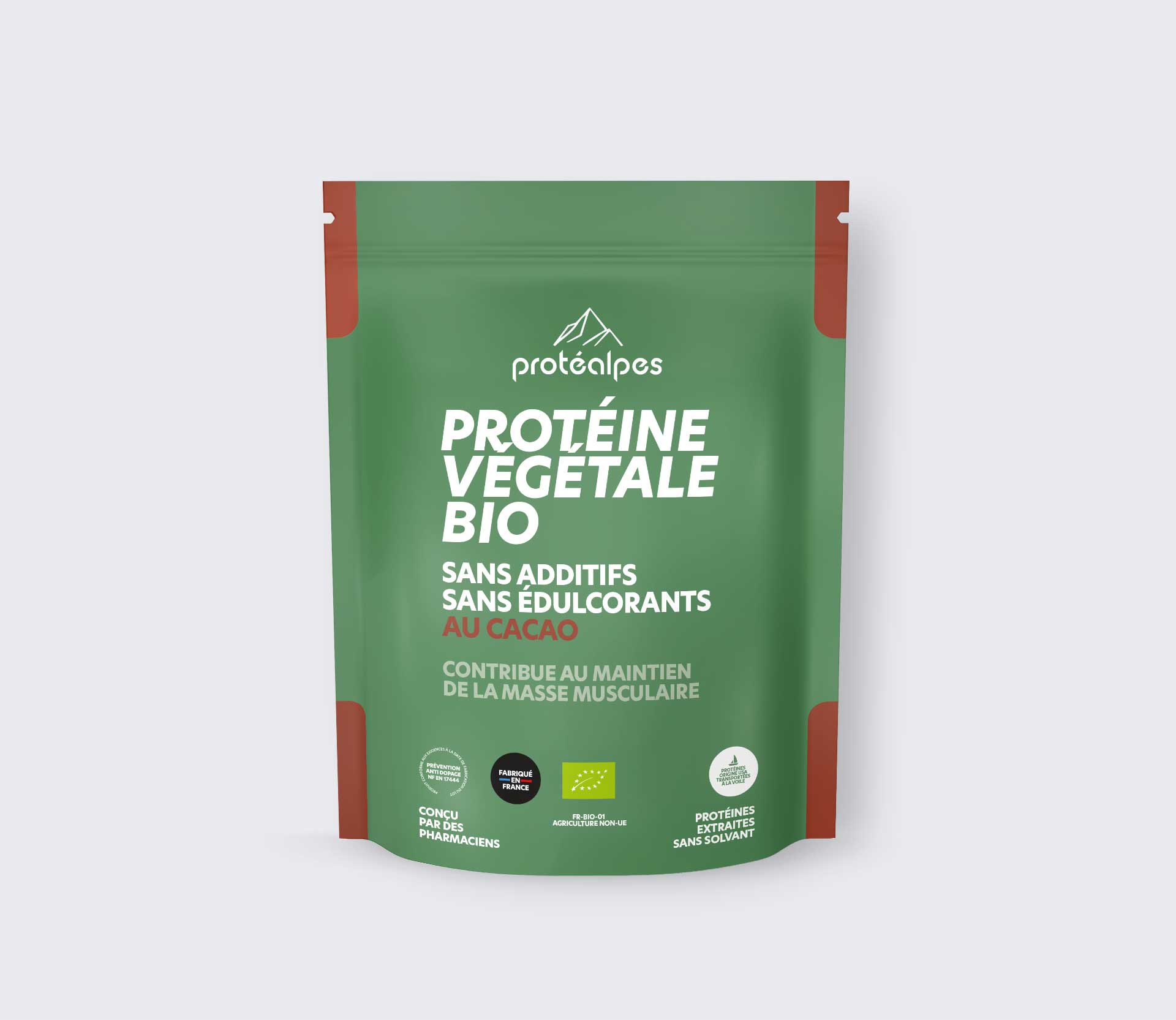
Organic Plant-Based Protein with Cocoa – Classic Line
Organic, Vegan, Gluten-Free, High in Protein
39,95€
750 g
-
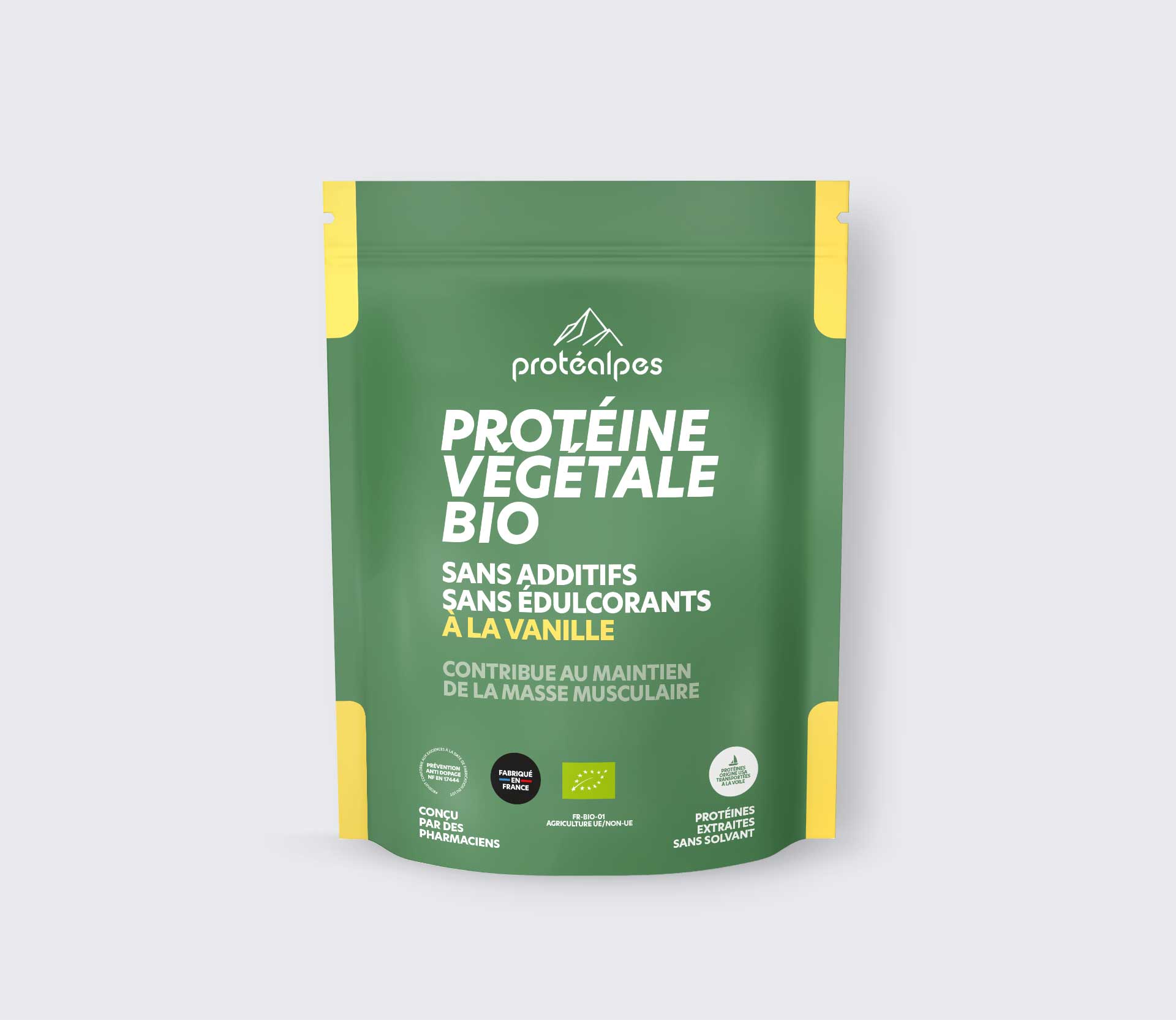
Organic Vanilla Plant-Based Protein – Classic Line
Organic, Vegan, Gluten-Free, High in Protein
39,95€
750 g
-

Creapure® Creatine Powder
Gluten-free
Price range: €27.95 to €57.90
250 g - 83 portions
-

Organic cassava maltodextrin - Neutral
Gluten-free
24,95€
800 g
-

Whey protein vanilla - Classic range
Gluten-free, High protein
34,95€
750 g
-

Mass Gainer with cocoa
Gluten-free, High in calories, High in protein
54,95€
2 kg
-

Mass Gainer caramel flavour
Gluten-free, High in calories, High in protein
54,95€
2 kg
-

Mass Gainer strawberry flavour
Gluten-free, High in calories, High in protein
54,95€
2 kg
-

Whey protein with cocoa - Classic range
Gluten-free, High protein
34,95€
750 g
Frequently asked questions
What is meant by "pea protein"?
Let’s start with the composition. Pea proteins are primarily globulins (legumin, vicilin) and albumins, which are made up of amino acids. They naturally contain all the essential amino acids: their profile is complete. Peas are notable for their high content of arginine and lysine, as well as BCAAs (leucine, isoleucine, valine), which contribute to muscle protein synthesis. Sulfur-containing amino acids (methionine, cysteine) are present in slightly lower amounts, but this is easily compensated for by a varied diet.
Then there’s the source: the yellow pea, a legume. Our isolate is extracted from it using water, through mechanical separation and without chemical solvents. The proteins are isolated and concentrated without compromising their nutritional profile, then dried to form a fine powder.
Classic and gainer lines: What's the difference?
A weight gainer typically contains more carbohydrates than protein; its ideal composition is 20 to 25 g of protein to about three times as many carbohydrates, in order to add a lot of calories to the protein intake and gain mass. Our classic line contains only the minimum amount of carbohydrates—just enough to complement the protein, with a slight contribution to replenishing glycogen stores. It is therefore not a weight gainer.
Another option: sugar. Sucralose and aspartame, synthetic sweeteners, are up to 600 times sweeter and take up very little space in the mixture. Sugar, on the other hand, adds volume and mass: the protein content per 100 g of finished product is slightly reduced as a result. Once mixed, the drink in the shaker contains about 5% carbohydrates.
When should you consume pea protein?
In everyday life, it helps supplement protein intake: peas are a good source of amino acids, especially for those following a vegetarian, vegan, or flexitarian diet. Athletes can also include them in their diet, particularly after workouts, since protein helps build and maintain muscle mass.
Does your plant-based protein contain added BCAAs?
No, and that’s by design: no additional proteins or amino acids are added. Almost all of the amino acids come from pea isolate, which is rich in BCAAs (leucine, isoleucine, valine) as well as arginine. A negligible amount comes from ingredients such as cocoa. Conversely, the terms “BCAA,” “L-leucine,” or “EAA” in a product’s ingredient list indicate isolated amino acids that have been added to the protein. We’ve chosen not to fortify our recipes in this way.