

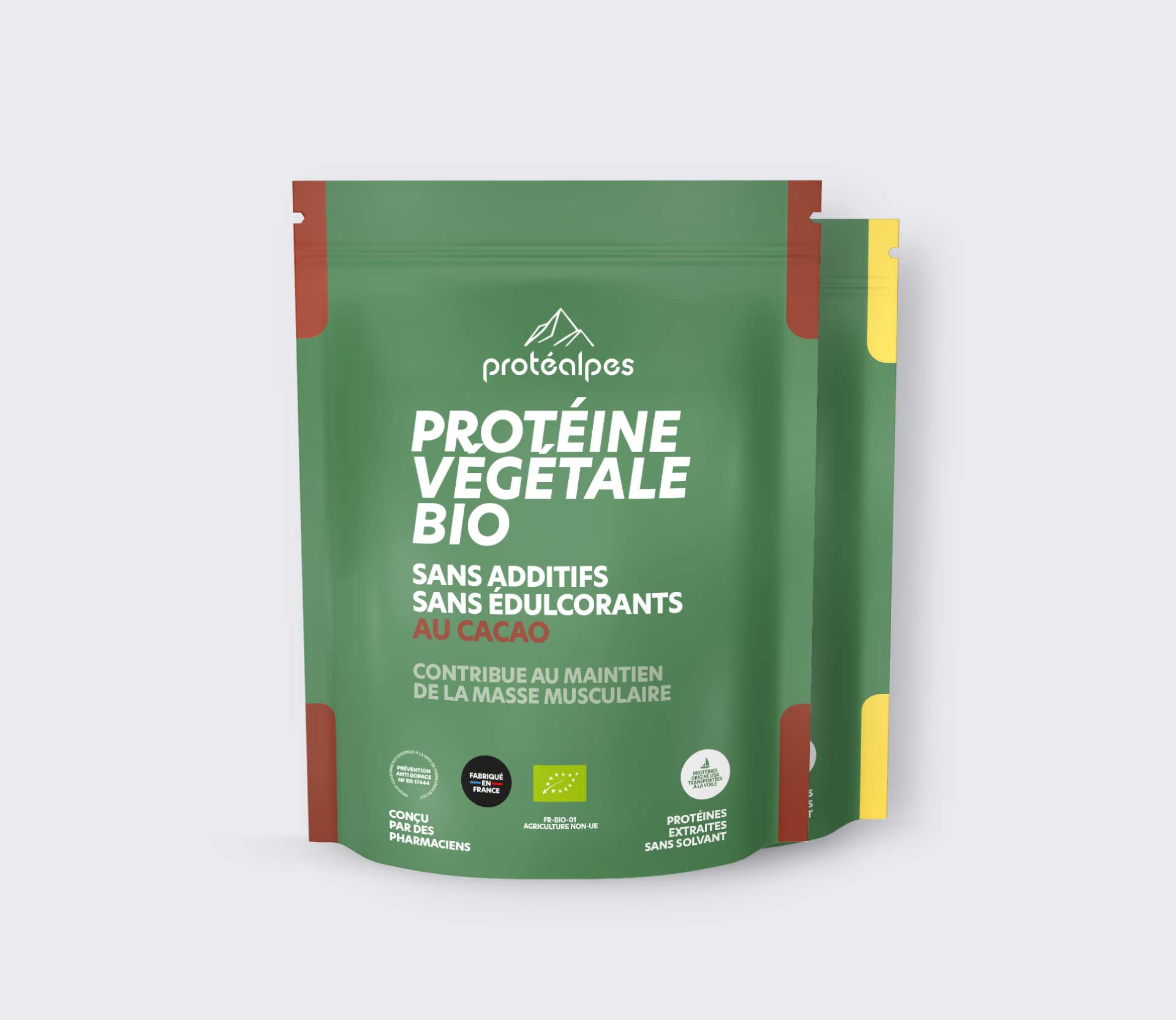
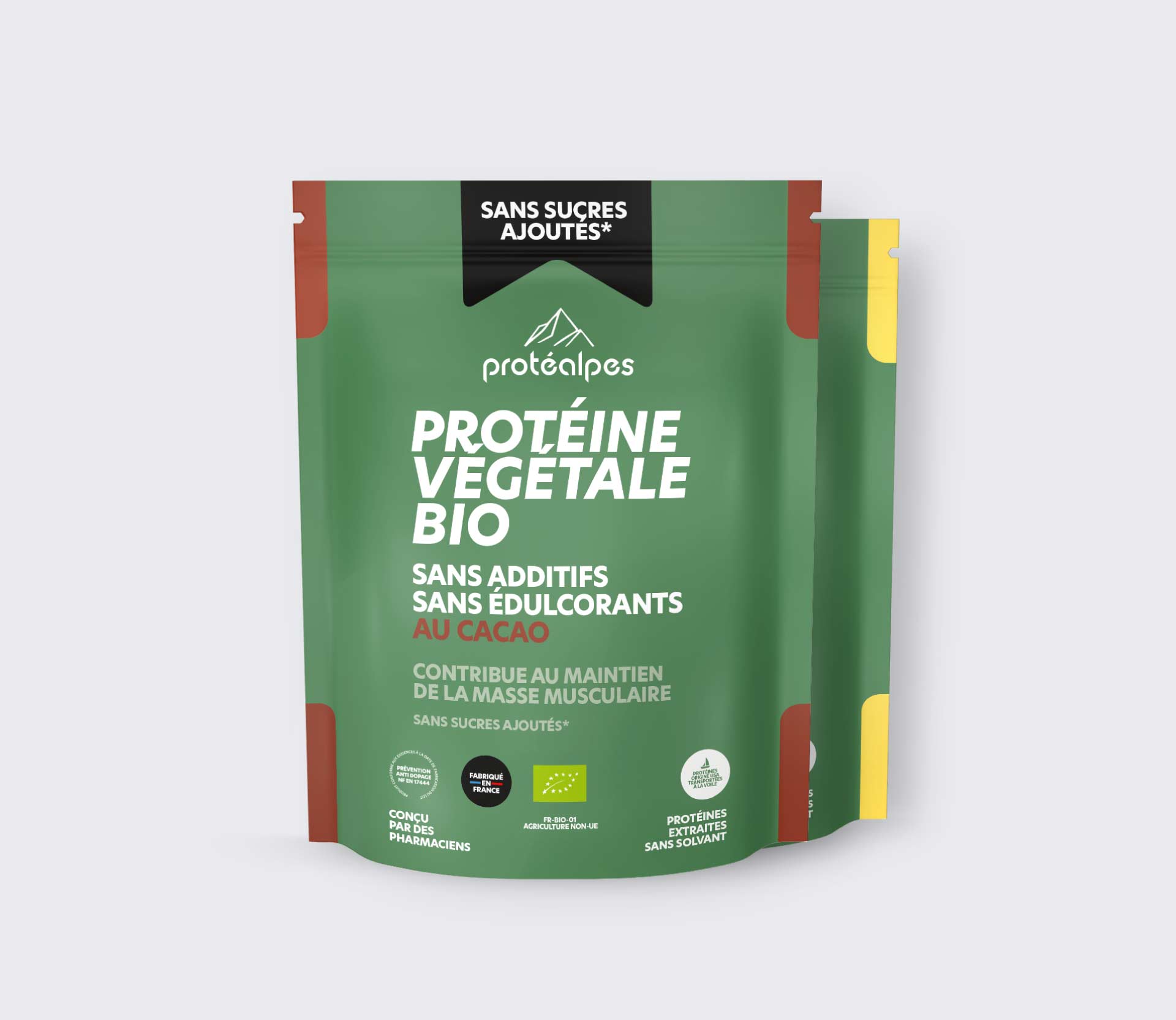






In detail
- Ideal for those seeking an unsweetened taste
- High in protein, 100% plant-based and vegan, certified free of performance-enhancing substances and gluten-free
- Proteins help maintain and strengthen muscle fibres
- Optimum recovery
- Organic yellow pea protein isolate produced without solvents, filtered in-house by Puris from peas sourced through its own North American supply chain
- Crude protein shipped by sail to France; product manufactured and packaged by Protéalpes in Albertville
21,8 g
Protein per serving
3,9 g
BCAA per serving
< 0,1 %
Sugar concentration after shaker blending*.
 | Organic pea protein, traceable from the field to this product |
 | No additives, no sweeteners |
 | Dissolves easily in water or a plant-based beverage |
 | High-quality amino acids, naturally rich in BCAAs |
 | Ideal for post-training recovery |
 | Standard anti-doping products |
*Nutrition facts for one serving (30 g) of Organic Plant-Based Protein—No Added Sugar Line—with cocoa, mixed with 300 ml of water.


Discover also
-
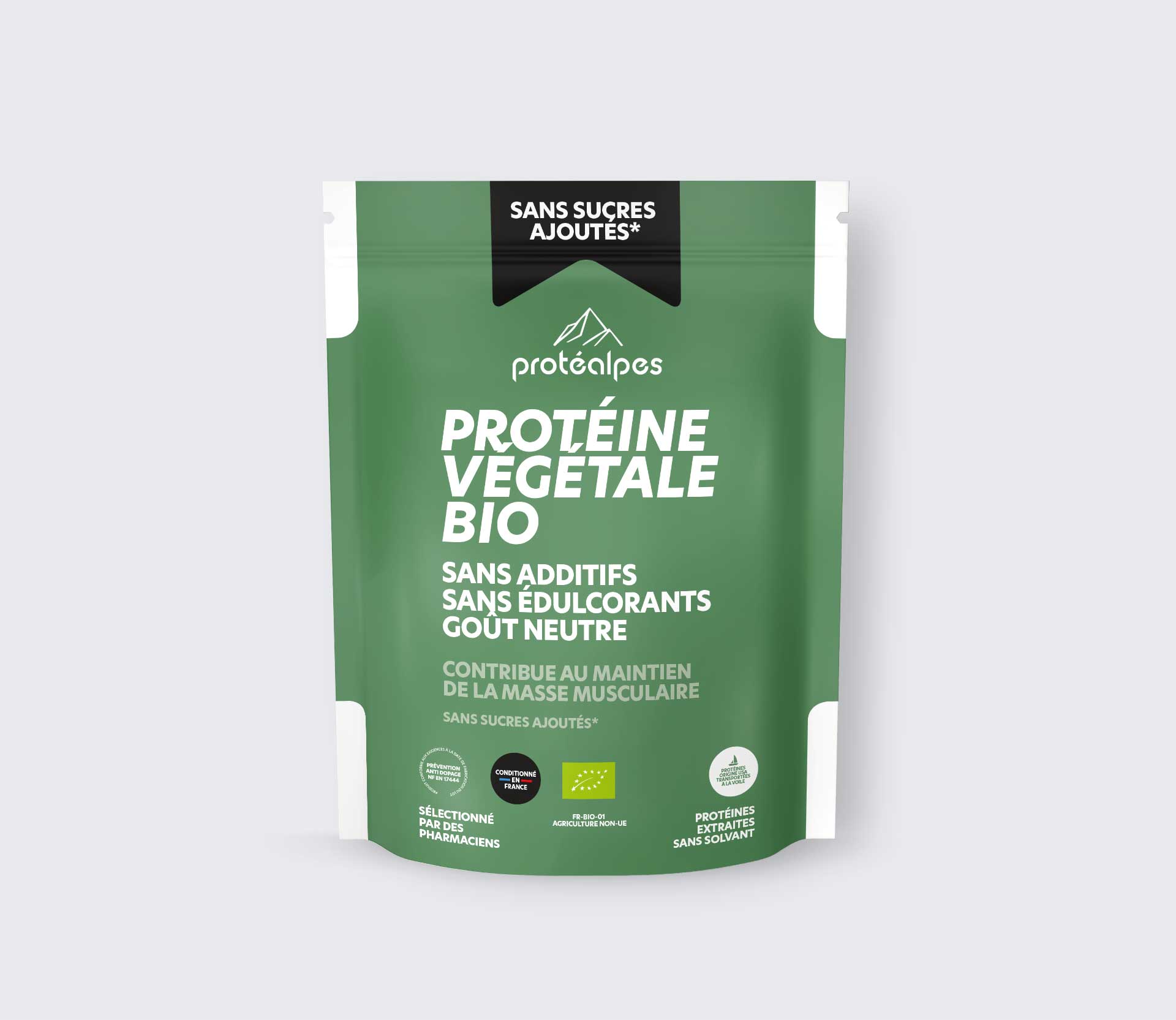
Organic plant-based protein, neutral flavor – No Added Sugar Line
Organic, Vegan, Gluten-Free, High in Protein
34,95€
540 g
-
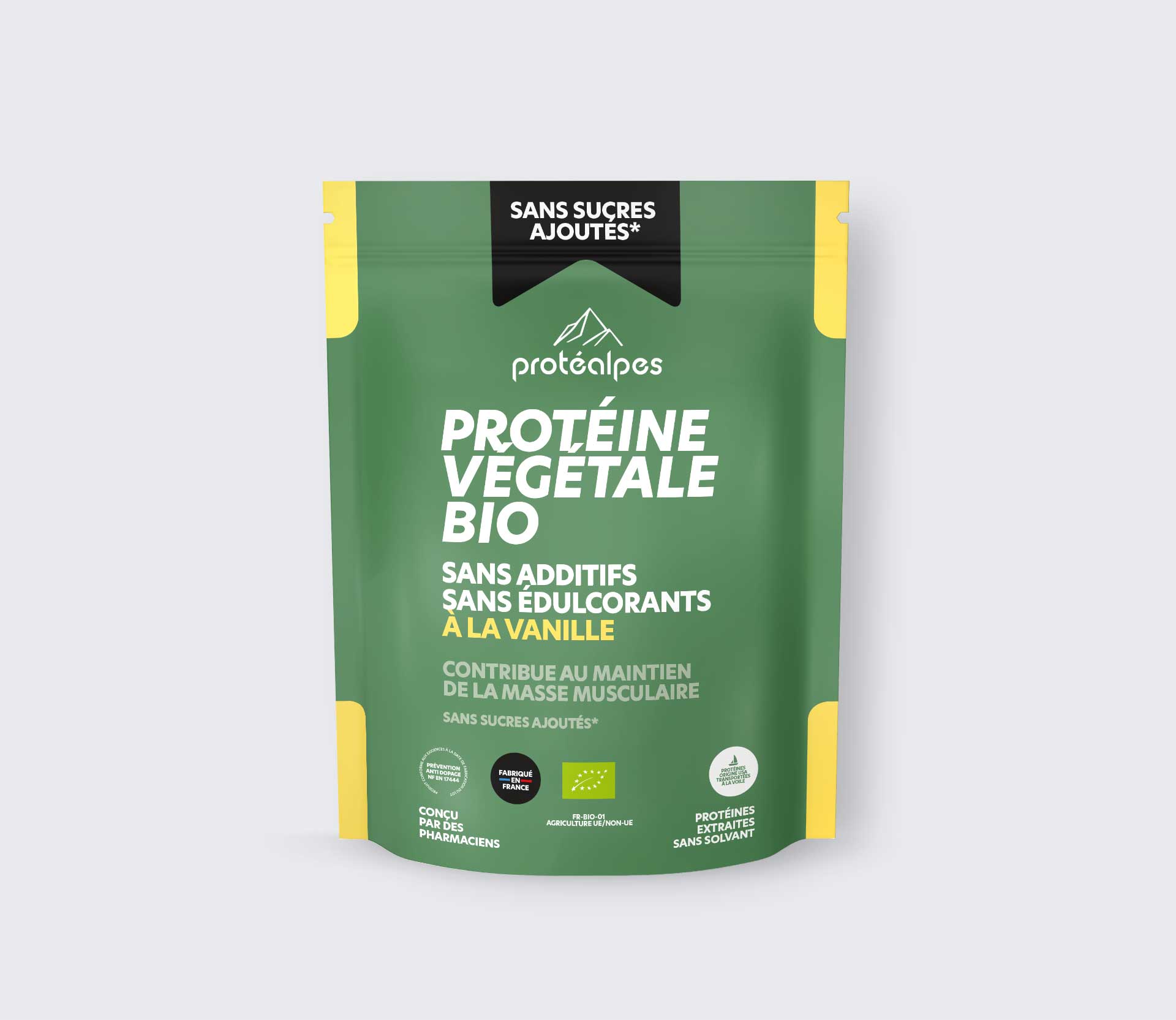
Organic Vanilla Plant-Based Protein – No Added Sugar Line
Organic, Vegan, Gluten-Free, High in Protein
34,95€
540 g
-
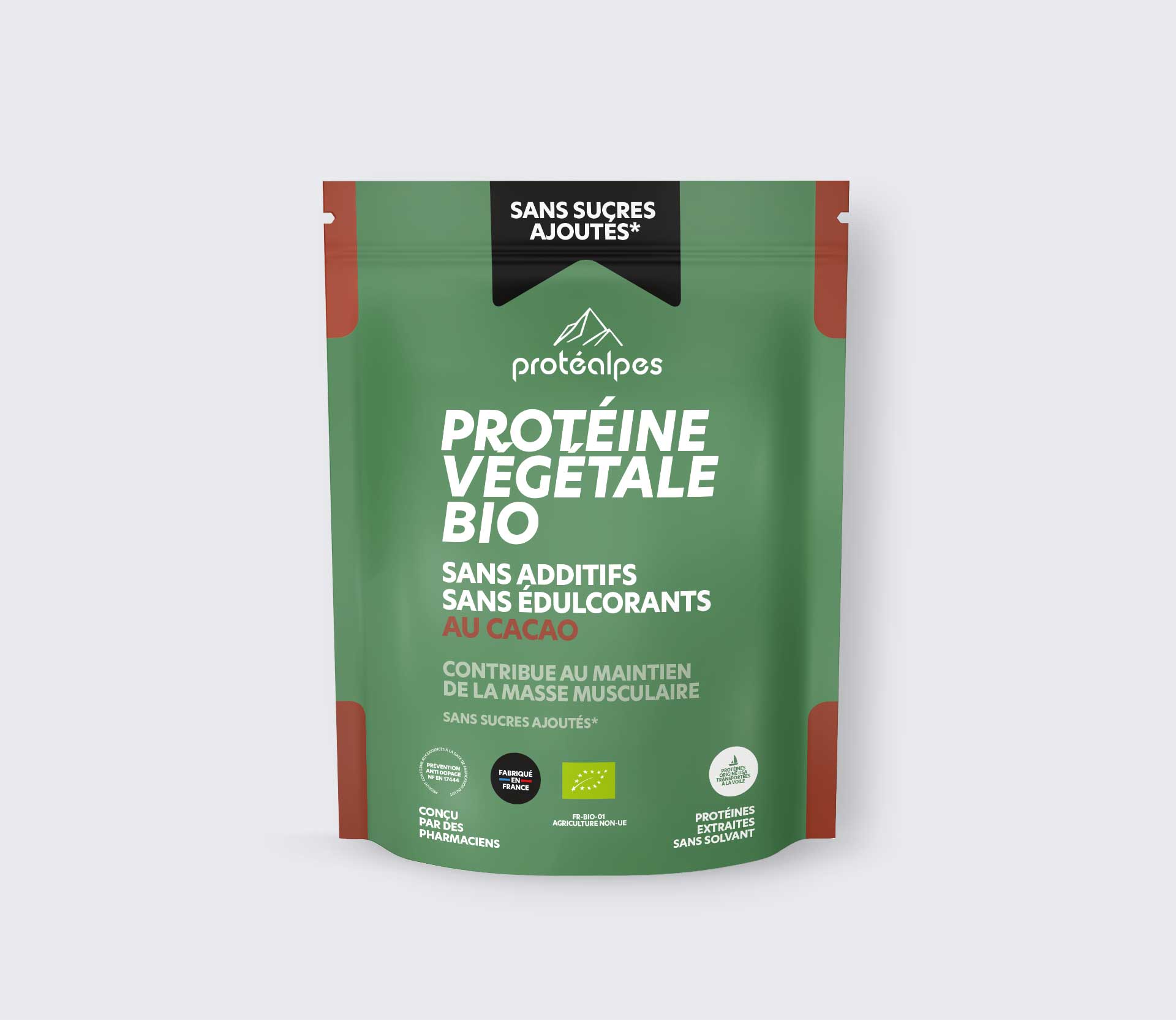
Organic Plant-Based Protein with Cocoa – No Added Sugar Line
Organic, Vegan, Gluten-Free, High in Protein
34,95€
540 g
-
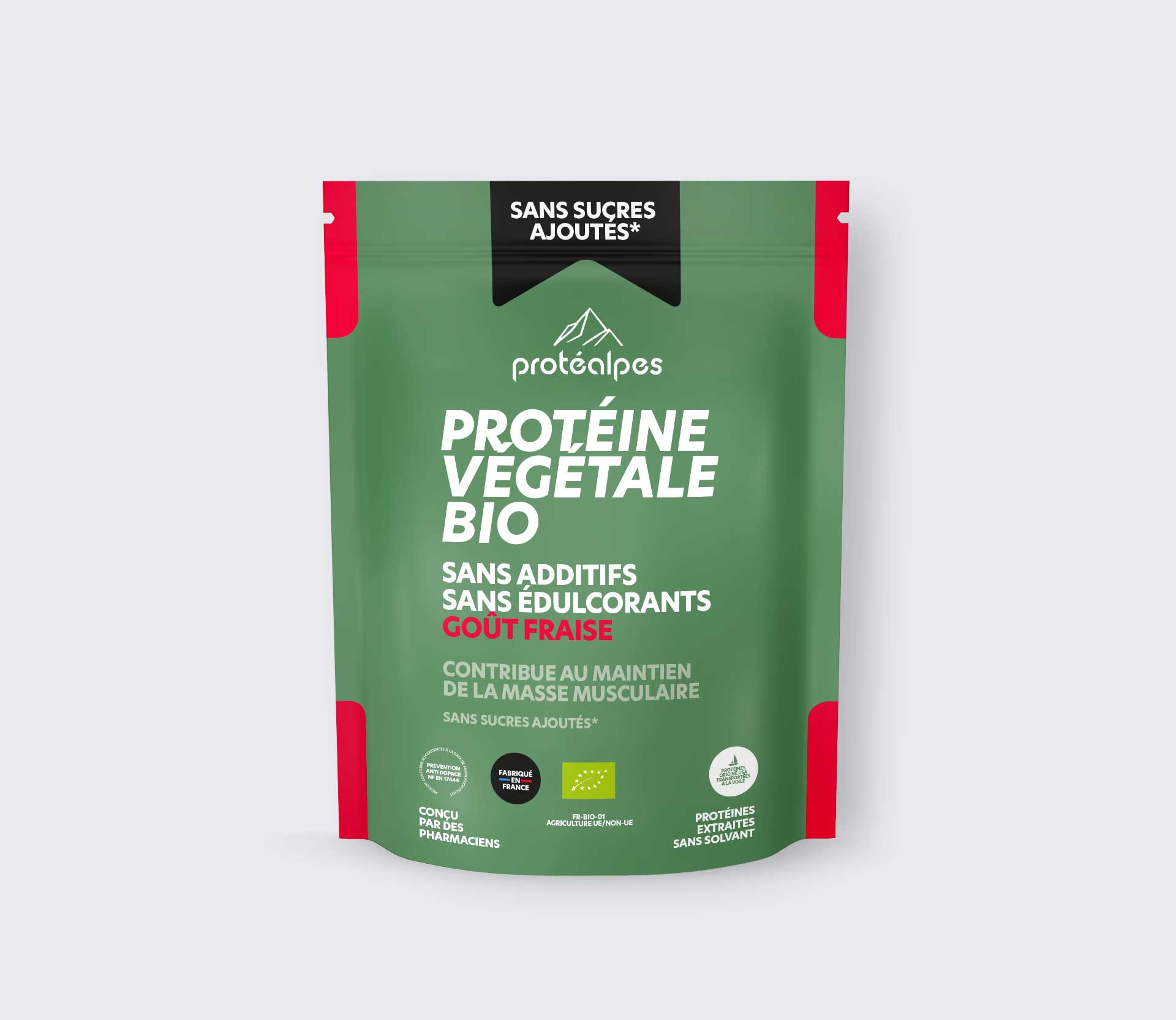
Organic Strawberry-Flavored Plant-Based Protein – No Added Sugar Line
Organic, Vegan, Gluten-Free, High in Protein
34,95€
540 g
-
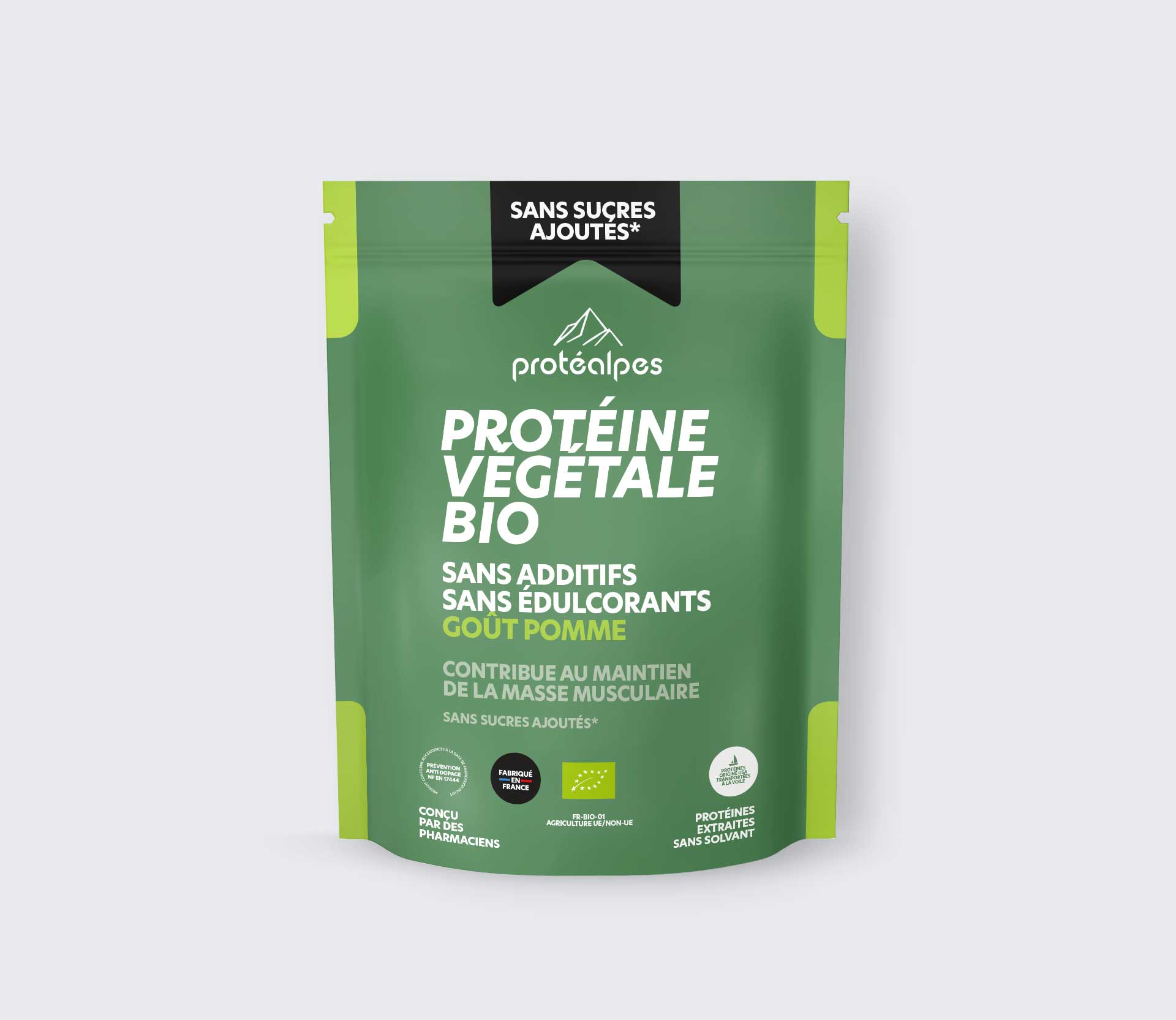
Organic Apple-Flavored Plant-Based Protein – No Added Sugar Line
Organic, Vegan, Gluten-Free, High in Protein
34,95€
540 g
-
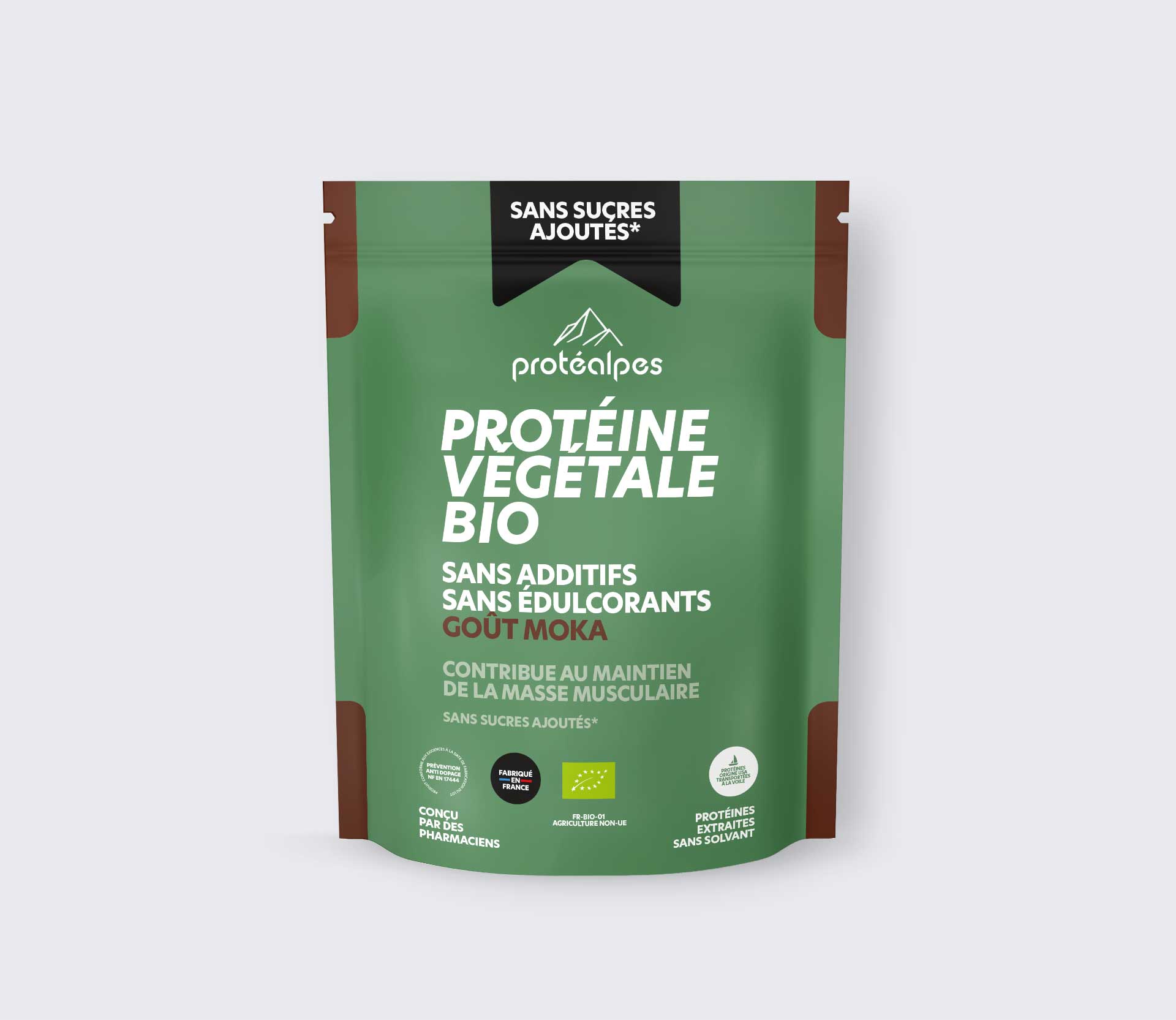
Organic Plant-Based Protein with Mocha Flavor – No Added Sugar Line
Organic, Vegan, Gluten-Free, High in Protein
34,95€
540 g
-
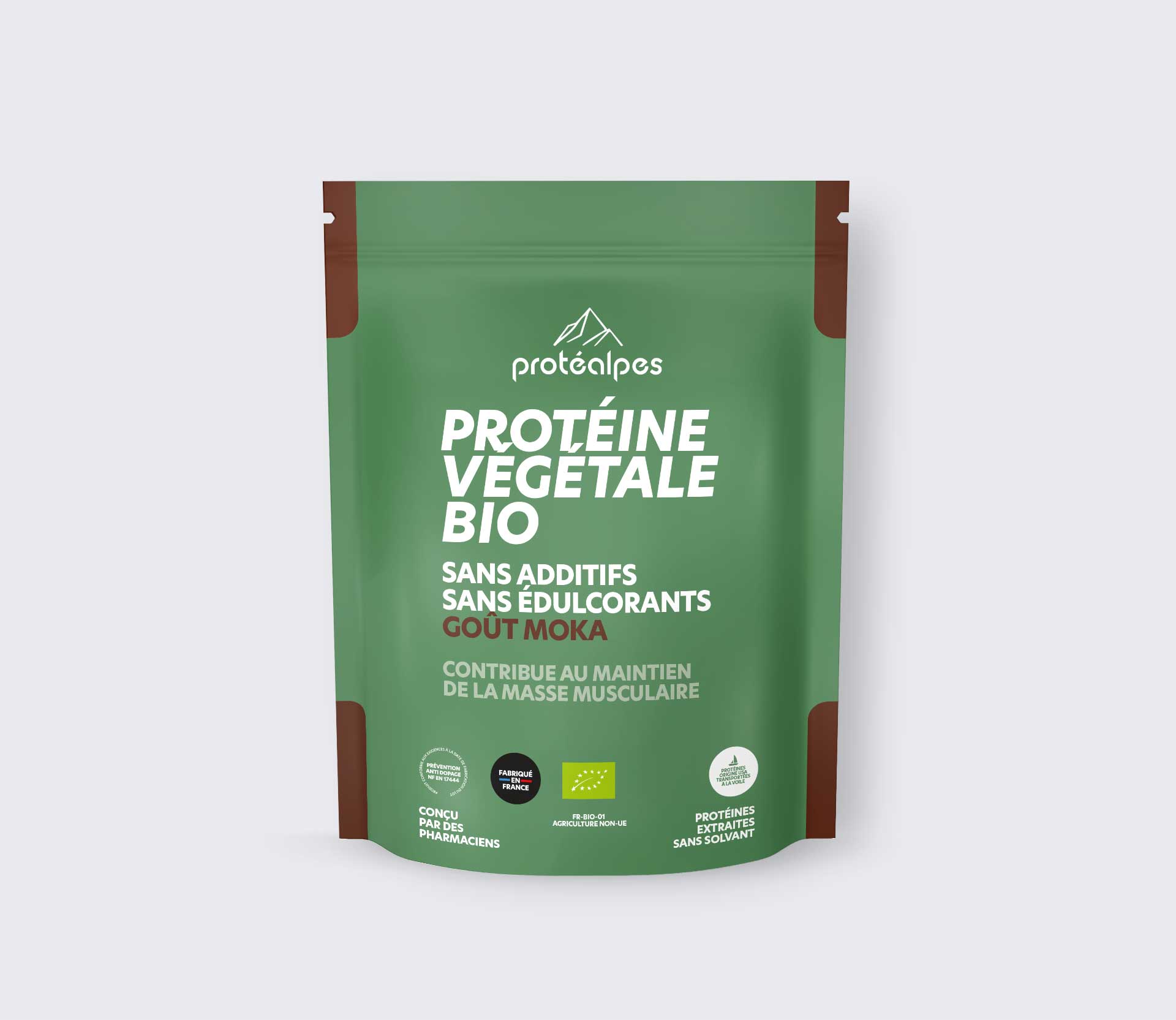
Organic Plant-Based Protein with Mocha Flavor – Classic Line
Organic, Vegan, Gluten-Free, High in Protein
39,95€
750 g
-
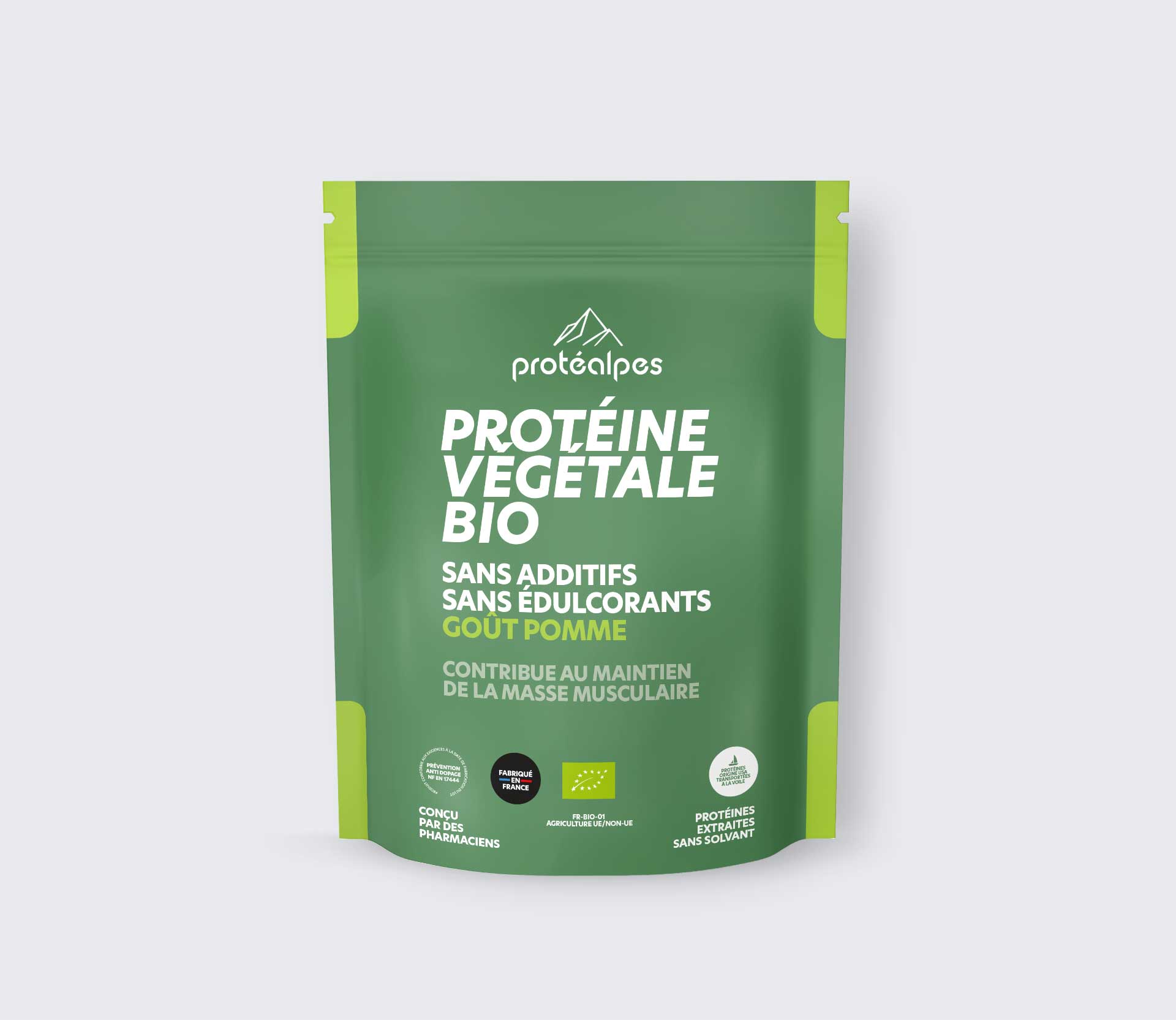
Organic Apple-Flavored Plant-Based Protein – Classic Line
Organic, Vegan, Gluten-Free, High in Protein
39,95€
750 g
-
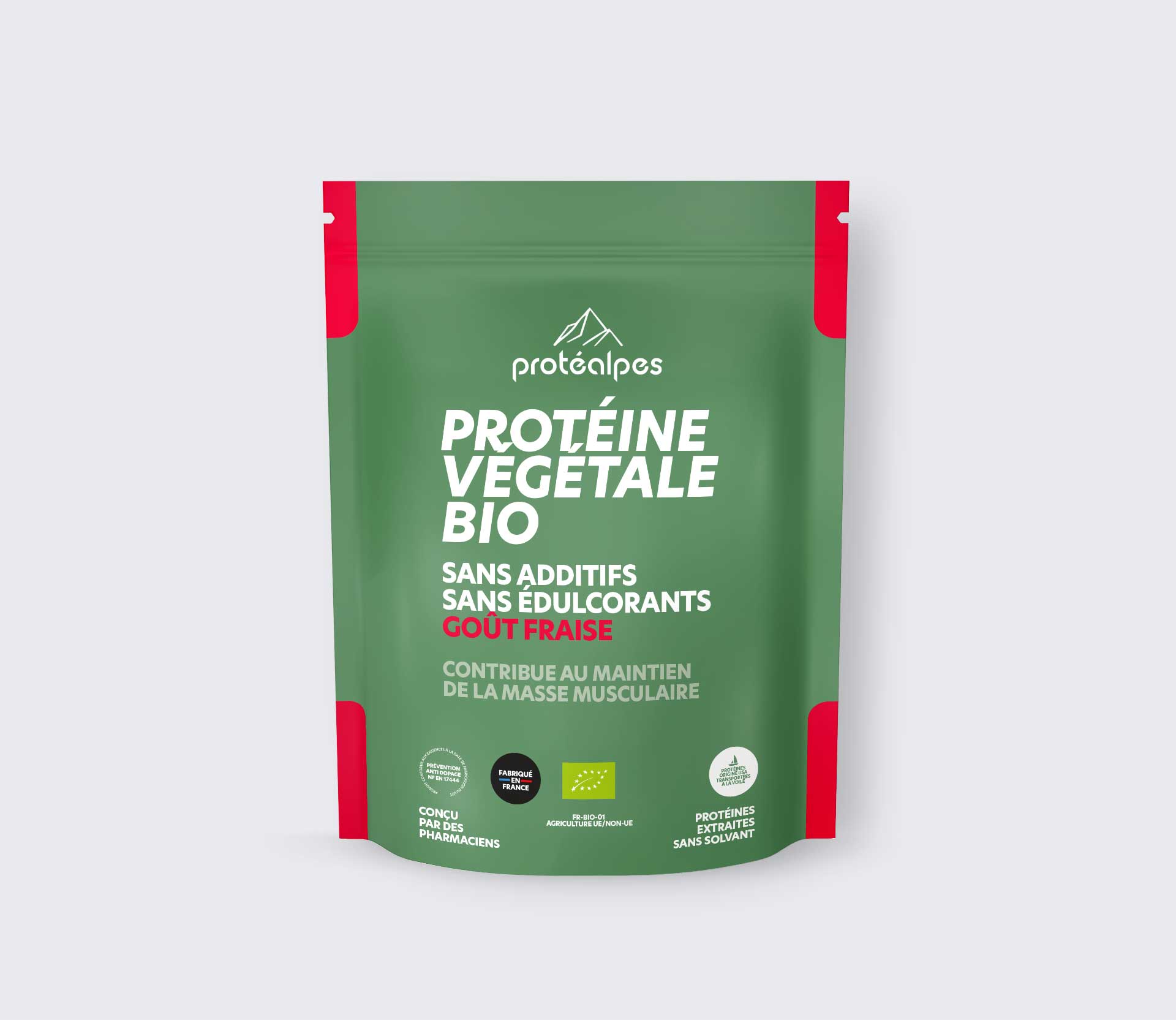
Organic Strawberry-Flavored Plant-Based Protein – Classic Line
Organic, Vegan, Gluten-Free, High in Protein
39,95€
750 g
-
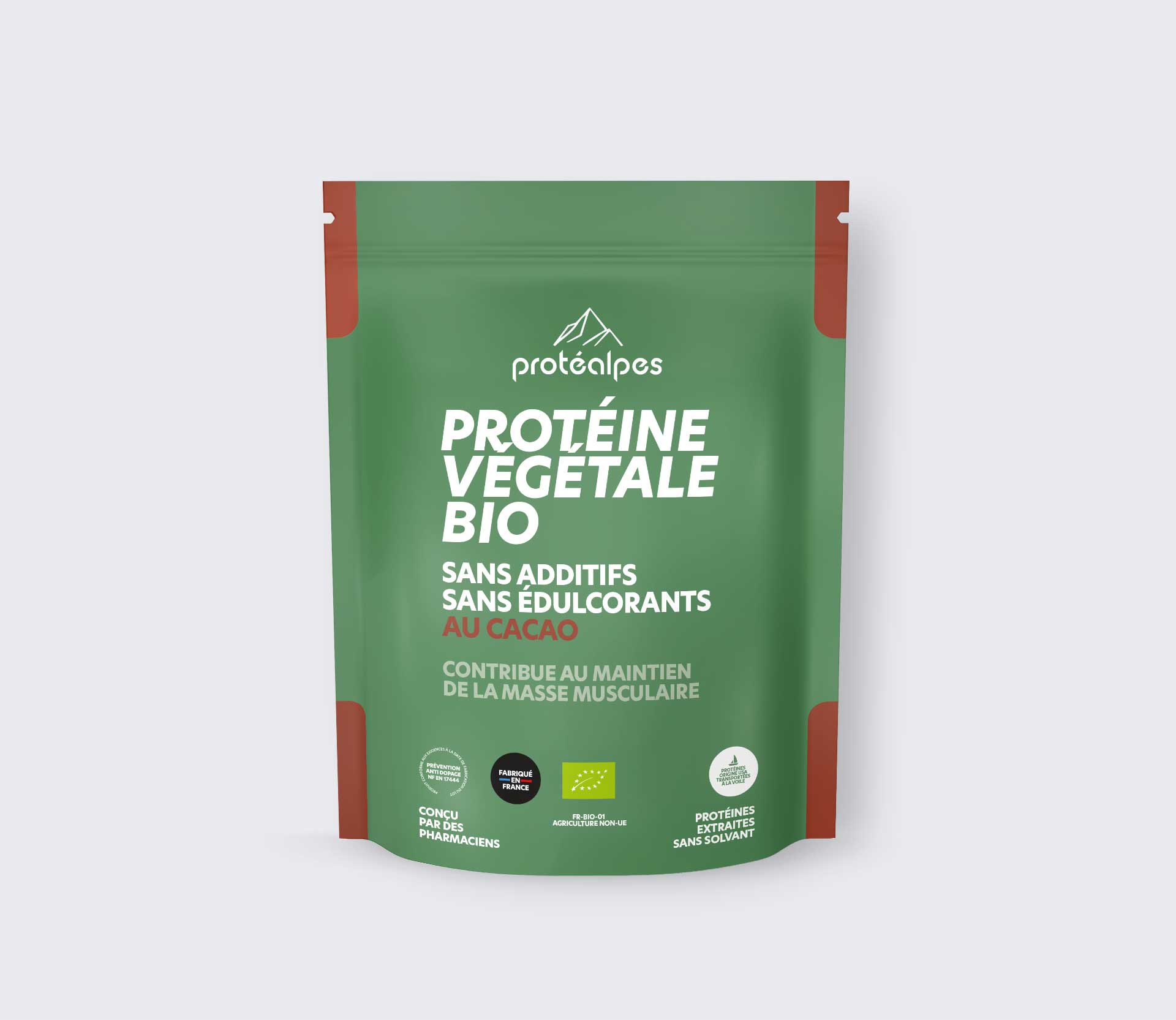
Organic Plant-Based Protein with Cocoa – Classic Line
Organic, Vegan, Gluten-Free, High in Protein
39,95€
750 g
-
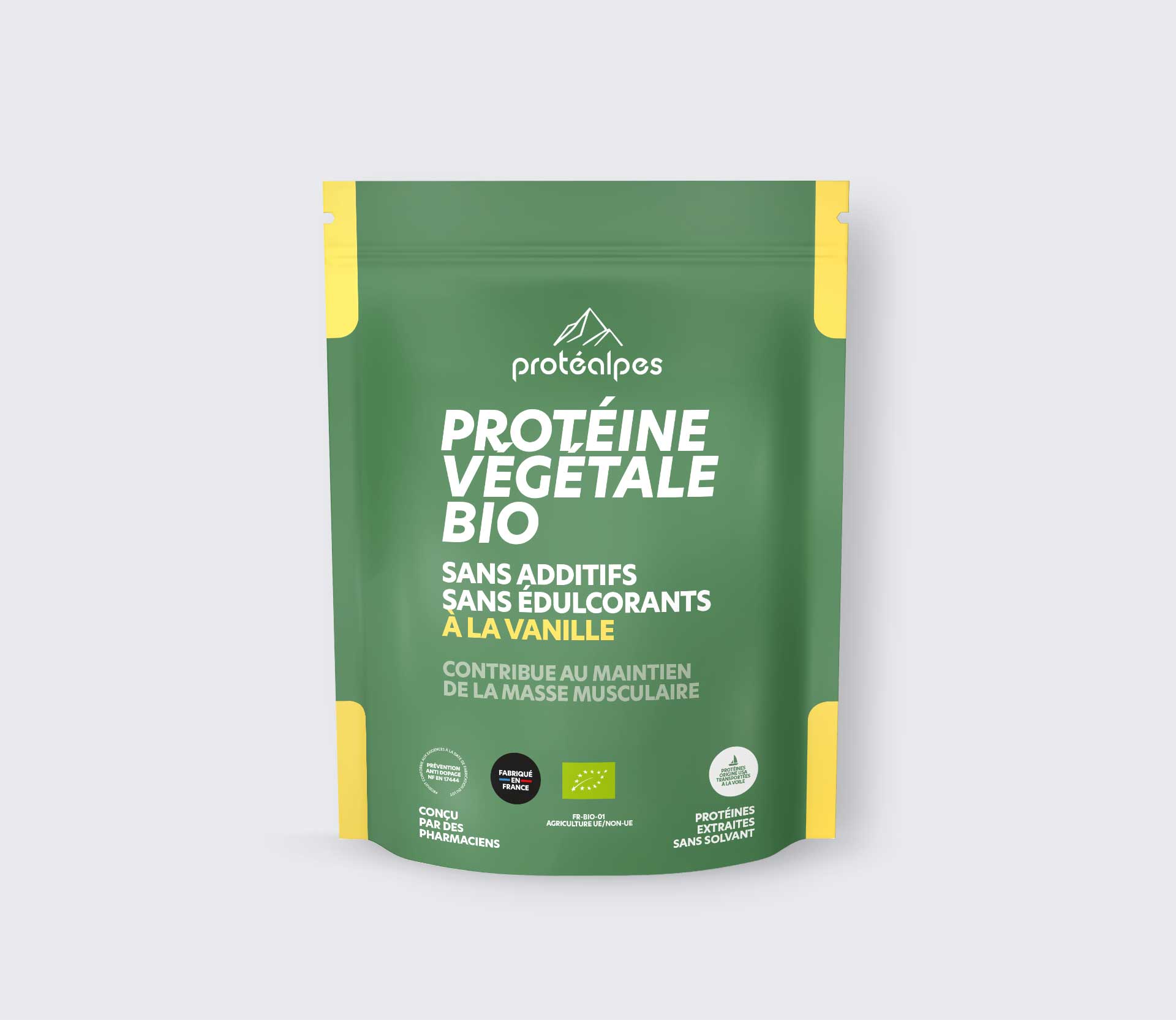
Organic Vanilla Plant-Based Protein – Classic Line
Organic, Vegan, Gluten-Free, High in Protein
39,95€
750 g
-

Creapure® Creatine Powder
Gluten-free
Price range: €27.95 to €57.90
250 g - 83 portions
-

Organic cassava maltodextrin - Neutral
Gluten-free
24,95€
800 g
-

Whey protein vanilla - Classic range
Gluten-free, High protein
34,95€
750 g
-

Mass Gainer with cocoa
Gluten-free, High in calories, High in protein
54,95€
2 kg
-

Mass Gainer caramel flavour
Gluten-free, High in calories, High in protein
54,95€
2 kg
-

Mass Gainer strawberry flavour
Gluten-free, High in calories, High in protein
54,95€
2 kg
-

Whey protein with cocoa - Classic range
Gluten-free, High protein
34,95€
750 g
Ingredients (no added sugar range)
Cocoa
Powdered mix, rich in plant-based protein
- Pea protein* (89%), low-fat cocoa powder* (11%)
*Organic agricultural ingredients
. Certified by FR-BIO-01
No sweeteners (sucralose, aspartame, acesulfame k, steviol glycosides...)
Gluten-free
Vanilla
Powdered mix, rich in plant-based protein
- Pea protein* (86%), natural vanilla flavor*, natural Bourbon vanilla powder* (0.5%)
*Organic agricultural ingredients
. Certified by FR-BIO-01
No sweeteners (sucralose, aspartame, acesulfame k, steviol glycosides...)
Gluten-free
Milling cutter
Powdered mix, rich in plant-based protein
- Pea protein* (86.25%), natural strawberry flavor*
*Organic agricultural ingredients
. Certified by FR-BIO-01
No sweeteners (sucralose, aspartame, acesulfame k, steviol glycosides...)
Gluten-free
Moka
Powdered mix, rich in plant-based protein
- Pea protein* (87.5%), low-fat cocoa powder*, decaffeinated instant coffee*
*Organic agricultural ingredients
. Certified by FR-BIO-01
No sweeteners (sucralose, aspartame, acesulfame k, steviol glycosides...)
Gluten-free
Apple
Powdered mix, rich in plant-based protein
- Pea protein* (86.25%), natural apple flavor*
*Organic agricultural ingredients
. Certified by FR-BIO-01
No sweeteners (sucralose, aspartame, acesulfame k, steviol glycosides...)
Gluten-free
Neutral
Powdered mix, rich in plant-based protein
- Organic pea protein* (100%)
*Organic agricultural ingredients
. Certified by FR-BIO-01
No sweeteners (sucralose, aspartame, acesulfame k, steviol glycosides...)
Gluten-free
Very detailed description
From post-workout to everyday life: peas as a source of protein
Any physical activity works the muscles and increases catabolism, leading to higher protein requirements. Ensuring an adequate intake of amino acids is essential for maintaining protein synthesis—both after a workout and throughout the day—especially when the proportion of animal protein in one’s diet decreases.
Pea protein isolates are a dietary supplement designed for athletes, containing:
- A high content of BCAAs (leucine, isoleucine, valine)
- Highly digestible
- A naturally complete amino acid profile: all 9 essential amino acids are present
Objectives :
- Meeting the daily protein needs of vegetarians, vegans, and flexitarians
- Focus on strength training as much as endurance training
- Protein helps maintain and increase muscle mass
- Provide the amino acids that help repair the muscle fibers worked during the workout
Respect for the environment and for people
- Organic: Specifications certified by Ecocert FR
- Non-GMO seeds, produced by Puris at its own facilities
- North American farmers under direct contract with Puris, a family-owned business
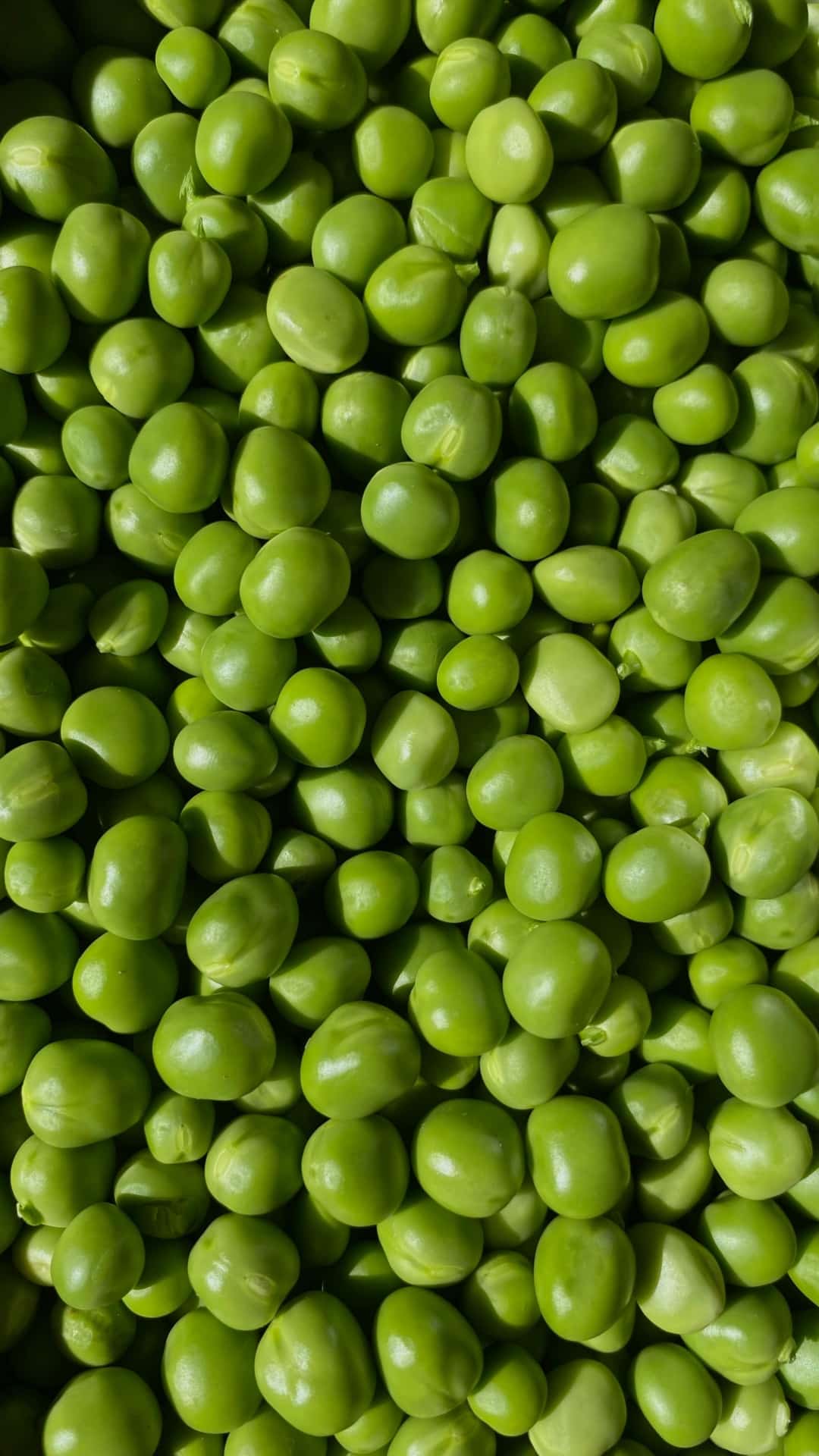
- Yellow peas, a type of legume, fix nitrogen from the air, naturally improve soil fertility, and require very little water.
- Grain de Sail’s sailboat travels from the United States to Europe under sail alone, to reduce the carbon footprint of transportation
How does it differ from other plant-based proteins on the market?
The most common plant-based proteins are primarily extracted in Asia from raw materials sourced from the United States and/or Asia, and end up with wholesalers and then retailers without their origin always being traceable. We opted for an integrated partner: Puris, a family-owned American company. It has developed its own non-GMO seeds, contracts with North American farmers to grow organic peas, and performs the extraction in its own facilities. This organizational structure—rare in the industry—makes it possible to trace every batch back to the field.
In Albertville, in the heart of the Alps, our nutritional products are then carefully crafted. We handle formulation, packaging, and shipping in-house, without any subcontractors. Our products are developed and manufactured in accordance with the requirements of the European anti-doping standard NF EN 17444, which replaces NF V94-001.
The purpose of this voluntary standard is to limit the risk of doping substances. This risk is far from trivial: an international study found undeclared anabolic steroids in nearly 15% of 634 supplements purchased in 2000–2001 (1).
(1) Geyer H. et al. (2004). Int J Sports Med, 25(2):124-129.

Average nutritional values
Average nutritional values | Per 100 g | Per 30 g serving |
Energy | 1,728 kJ/413 kcal | 524 kJ/125 kcal |
Fats and oils | 10,5 g | 3,1 g |
of which saturated fatty acids | 4,5 g | 1,3 g |
Carbohydrates | 3,8 g | 1,2 g |
of which sugars | 0,0 g | 0,0 g |
Protein | 72,5 g | 21,8 g |
Salt | 2,2 g | 0,6 g |
Nutritional Information for Organic Plant-Based Protein – No Added Sugars Line – Cocoa Flavor.
Average amino acid content
Average amino acid content per 30g serving | ||||
BCAA | Isoleucine | 1,0 g | Histidine | 0,5 g |
Leucine | 1,8 g | Lysine | 1,7 g | |
Valine | 1,1 g | Methionine | 0,2 g | |
Aspartic acid | 2,5 g | Phenylalanine | 1,2 g | |
Glutamic acid | 3,5 g | Proline | 1,0 g | |
Alanine | 0,9 g | Serine | 1,1 g | |
Arginine | 1,7 g | Threonine | 0,8 g | |
Cysteine | 0,2 g | Tryptophan | 0,2 g | |
Glycine | 0,9 g | Tyrosine | 0,8 g | |
Nutritional Information for Organic Plant-Based Protein – No Added Sugars Line – Cocoa Flavor.
Terms of use
- Pour 250–300 ml of liquid (water, plant-based milk, or a mixture) into a shaker, then add 1 serving of organic plant-based protein.
- Mix in a shaker, shaking up and down.
- Finish with light circular movements of the shaker*.
*As we don't use lecithin (a foam-reducing surfactant), a light layer of foam may appear after mixing too vigorously. This is perfectly normal and will disappear within a few minutes.
Certificates & labels
- Label – Plant-based protein – No added sugar line – Vanilla flavor – 750g – Protéalpes
- Label – Plant-based protein – No Added Sugar line – with cocoa – 750g – Protéalpes
- Label – Plant-based protein – No added sugar line – Mocha flavor – 750g – Protéalpes
- Label – Plant-based protein – No added sugar line – Strawberry flavor – 750g – Protéalpes
- Label – Plant-based protein – No Added Sugar Line – Apple flavor – 750g – Protéalpes
- Label – Plant-based protein – No added sugar line – Neutral flavor – 750 g – Protéalpes
Product Reviews
Athletes' opinions
Why choose a plant-based protein with no added sugars or sweeteners?
Our version with no added sugars or sweeteners is designed for athletes who prefer a drink without a sweet taste—after a workout, for example. It also lets you create your own recipe: gluten-free and naturally lactose-free, pea protein isolate pairs well with the carbohydrate source of your choice (maple syrup, coconut sugar, honey, etc.).
What is a sweetener, and why are they often found in protein powders?
A sweetener is a synthetic or processed compound that replaces sugar in a food product. There are two main benefits: reducing the calorie content and achieving a very sweet flavor, even in a “zero-sugar” sports nutrition product. Cost is also a factor: for equivalent sweetness, a sweetener is generally less expensive than sucrose.
In protein powders (isolates, BCAAs, supplements), it is frequently used to improve the taste. Plant-based proteins, which have a more pronounced flavor, are often combined with flavorings and sweeteners such as sucralose, aspartame, steviol glycosides, or acesulfame K. For manufacturers, this is a simple way to make the product more appealing—and therefore easier to sell. Their low cost also explains why they are frequently found alongside emulsifiers, thickeners, or colorants.
At Protéalpes, all proteins are formulated without additives or sweeteners.
Are the sweeteners in protein powders harmless?
On paper, they sound appealing: they’re several hundred times sweeter than sugar, with very few calories. But the WHO points out that they are not essential components of the diet and have no nutritional value, and their long-term health effects are a matter of debate.
Sucralose (E955) is one of the most widely used, along with aspartame. Two publications, “Sucralose affects glycemic and hormonal responses to an oral glucose load” and “Sucralose, A Synthetic Organochlorine Sweetener: Overview of Biological Issues,” highlight potential effects on glycemic and hormonal responses, as well as concerns regarding gut flora. They urge caution without reaching a definitive conclusion: the EFSA considers currently authorized uses to be safe (acceptable daily intake: 15 mg/kg of body weight per day).
Then there’s the taste. Sucralose is up to 600 times sweeter than sugar. According to a debated hypothesis, getting used to such an intense flavor could fuel a craving for sweetness for the rest of the day, even when consuming a “sugar-free” protein shake. For its part, the WHO conditionally advised against using sweeteners for weight control in 2023.
In recent years, researchers have taken a particular interest in sucralose (E955). This organochlorine compound is currently one of the most widely used sweeteners, alongside aspartame. The findings are clear; according to the studies “Sucralose Affects Glycemic and Hormonal Responses to an Oral Glucose Load” and “Sucralose, A Synthetic Organochlorine Sweetener: Overview of Biological Issues,” this sugar substitute can disrupt metabolism in many ways. Thus, repeated consumption may contribute to hormonal imbalances, metabolic disorders, and disruptions in the gut microbiota.
The sweetness of artificial sweeteners may also be harmful to endurance athletes and bodybuilders. For example, sucralose is up to 700 times sweeter than regular sugar when taken in the same amount. By drinking these shakes, you will gradually accustom your brain to this excessively sweet taste. Over time, you will then seek out this flavor in your daily diet or in other dietary supplements. Paradoxically, by choosing a “sugar-free” protein powder that is actually sweetened, consumers are driven to consume increasingly larger amounts of sugar.
Can your plant-based proteins be used in cooking?
Yes, and that’s a key benefit of pea protein without sweeteners. When heated for a long time at high temperatures, sucralose can release chlorine and form chlorinated compounds whose health effects are unknown; the EFSA notes that frying or baking at home cannot be ruled out as sources of such compounds. With no sweeteners, you can enhance your recipes without worrying about this issue.
Naturally lactose-free, pea isolate provides a complete amino acid profile, including all essential amino acids. It’s easy to add to recipes, enjoy after a workout, or have as a snack. Protein helps build and maintain muscle mass.
